










جدول المحتويات
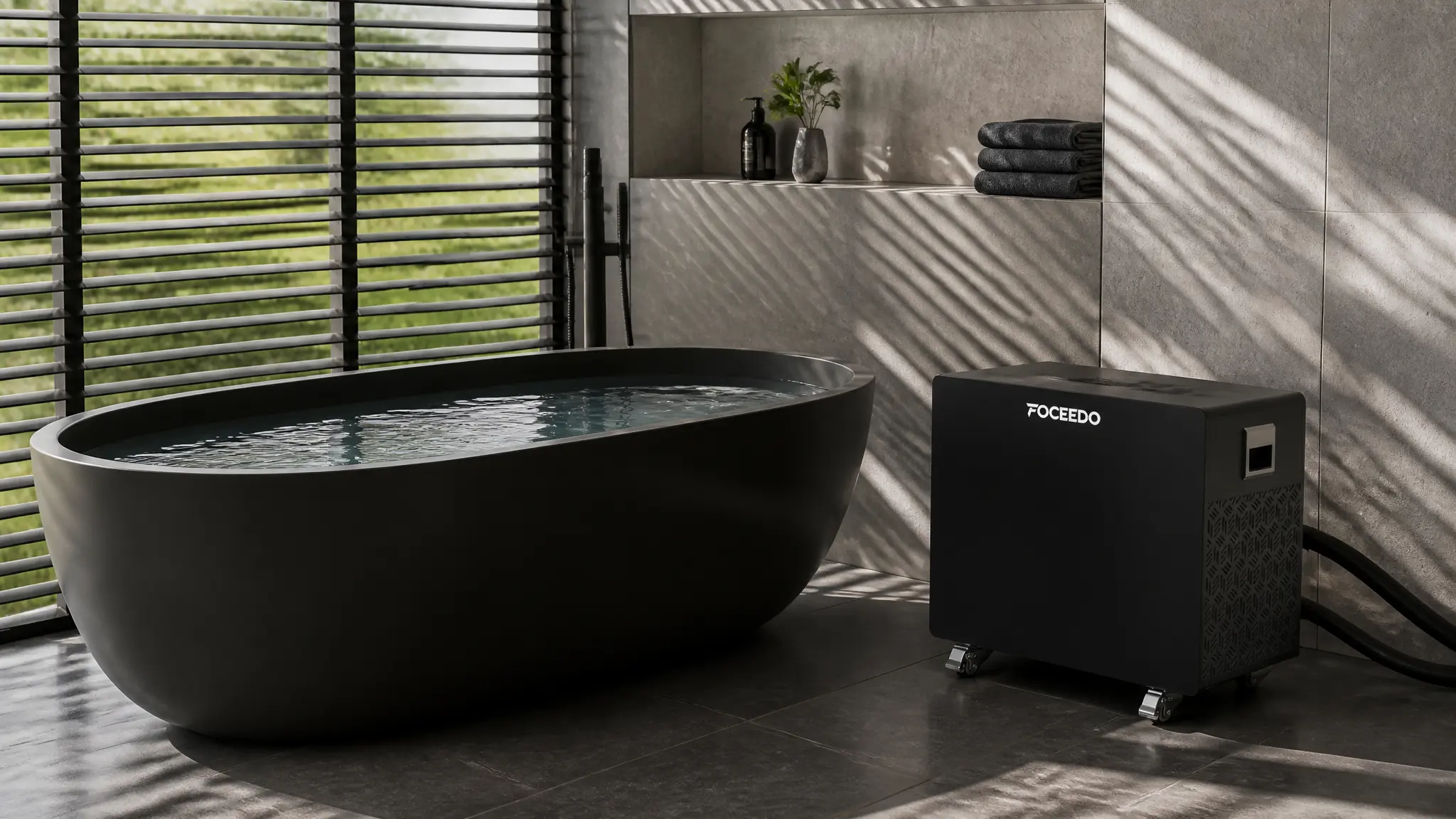
Does cold water immersion actually relieve delayed onset muscle soreness?
Yes, it can help reduce how sore you feel after hard training, especially in the first 24 to 72 hours after exercise.
But it is not a magic repair tool. Cold water mainly helps by lowering pain sensitivity, reducing local swelling pressure, and changing blood flow after intense muscle stress.
ملخص سريع
Cold water immersion can reduce DOMS discomfort by cooling nerve signals, limiting swelling, and creating gentle water pressure around sore limbs.
It works best when your main goal is faster comfort and short-term recovery, not maximum muscle growth after every strength session.
A practical recovery range is 10°C–15°C for 5–10 minutes, with beginners starting closer to 13°C–15°C for 3–5 minutes.
What DOMS Really Is
Delayed onset muscle soreness, or DOMS, is the stiff, tender soreness that usually appears 12 to 24 hours after exercise and often peaks around 24 to 72 hours.
It is especially common after eccentric movements, such as lowering a squat, running downhill, jumping, or returning to training after a break.
It Is Not Lactic Acid
For years, many people blamed DOMS on lactic acid. That explanation is outdated.
Your body usually clears lactate within hours after exercise. DOMS happens much later, which means it cannot be explained by lactic acid sitting in your muscles for days.
It Comes From Muscle Stress
DOMS is mainly linked to microscopic stress inside muscle fibers and the connective tissue around them.
Your body responds with inflammation, fluid shifts, immune activity, and increased nerve sensitivity. That repair process is normal and useful, but it can also make the muscle feel swollen, stiff, and painful.
This is why DOMS often feels worse when you walk downstairs, stretch deeply, or press on the trained muscle.
How Cold Water Helps
Cold water immersion helps DOMS mostly by changing how your body feels and responds during the early recovery window.
It does not instantly rebuild damaged muscle fibers. Instead, it may reduce the discomfort around the repair process.
It Slows Pain Signals
Cold exposure lowers skin and superficial tissue temperature. This can slow nerve conduction, which means pain signals travel less aggressively from the sore area to your brain.
That is why a cold plunge can feel like a natural numbing tool after a hard session.
The effect is usually temporary, but it can be useful when soreness affects walking, sleeping, or your ability to train again soon.
It Reduces Swelling Pressure
Cold water causes blood vessels near the skin and limbs to constrict. This process is called vasoconstriction.
When blood flow into the area slows for a short period, local swelling pressure may feel less intense. For many people, this is where the “lighter legs” feeling comes from after a plunge.
The goal is not to shut down all inflammation. Some inflammation is part of normal repair. The goal is to reduce excessive discomfort when soreness is limiting your next day.
It Adds Gentle Compression
A full cold plunge is not just cold. It also surrounds your body with water pressure.
This الضغط الهيدروستاتيكي acts like very gentle compression around your legs, hips, and torso. It may support fluid movement and reduce the heavy, tight feeling that often comes with DOMS.
This is one reason a full-body plunge can feel different from a cold shower. The water surrounds the body instead of only hitting the skin from one direction.
The Strength Training Catch
Cold water immersion is helpful for soreness, but it is not always the best choice immediately after every workout.
If your main goal is muscle growth, frequent cold plunging right after lifting may reduce some of the signals your body uses to adapt.
Recovery and Growth Are Different Goals
After strength training, your body uses inflammation and cellular signaling to start repair and adaptation. These signals help support protein synthesis, remodeling, and long-term strength gains.
Cold exposure can calm some of that response. That may be useful when you need to reduce soreness quickly, but it may be less ideal when you want the full adaptation signal from a hypertrophy session.
This does not mean cold water “kills gains.” The real issue is timing, frequency, and training goal.
When to Delay Your Plunge
If muscle size and maximum strength are your priority, avoid making cold water immersion an automatic habit immediately after every lifting session.
A simple rule is to wait at least 4 to 6 hours after heavy strength training, or use cold plunging on rest days, conditioning days, or competition recovery days.
If your priority is fast turnaround between matches, races, or repeated training sessions, cold water may be worth using sooner.
Best Temperature and Time
For DOMS, colder is not always better. Longer is not always better either.
The best recovery protocol is cold enough to reduce soreness, but not so extreme that it creates unnecessary stress.
| Experience Level | Temperature | Time | Best Use |
|---|---|---|---|
| Beginner | 13°C–15°C | 3–5 minutes | First 1–2 weeks |
| Standard recovery | 10°C–15°C | 5–10 minutes | Normal post-workout soreness |
| Experienced users | 8°C–12°C | 3–8 minutes | Higher cold tolerance |
| Long recovery sessions | 11°C–15°C | Up to 10–15 minutes | Only if well tolerated |
Start warmer and shorter than you think you need. You should be able to breathe steadily and stay mentally calm.
If you feel chest tightness, dizziness, numbness, sharp pain, or panic breathing, end the session immediately.
Best Time to Use It
The best timing depends on your training goal.
Cold water immersion is most useful when soreness relief matters more than maximizing the muscle-building signal from that specific workout.
After Hard Training
If you have heavy legs after intervals, sport practice, long runs, or high-volume conditioning, cold water immersion can help you feel better sooner.
Using it within 24 hours of hard training may help manage the early soreness window before DOMS peaks.
This is especially useful when you need to train again the next day.
During Busy Training Weeks
Cold plunging is often more useful during dense training blocks than during normal low-stress weeks.
For athletes, coaches, and active users, the best time to use cold water is when soreness is starting to interfere with performance, sleep, or basic movement quality.
In that case, the goal is not to “erase” training stress. The goal is to reduce enough soreness so you can move well again.
Not After Every Lift
If you are in a muscle-building phase, avoid using a cold plunge immediately after every strength workout.
Instead, save it for your hardest sessions, your most painful recovery days, or times when you need short-term performance readiness.
This gives you a better balance between comfort and long-term adaptation.
Who Should Be Careful
Cold water immersion is stressful by design. That is why it works, but it is also why it needs caution.
People with cardiovascular disease, uncontrolled high blood pressure, cold sensitivity, Raynaud’s symptoms, fainting history, pregnancy concerns, or serious medical conditions should speak with a qualified healthcare professional before using cold water immersion.
Do not plunge after alcohol, during fever, when severely exhausted, or when you cannot safely enter and exit the tub.
For most beginners, the safest starting point is 13°C–15°C for 3 minutes while focusing on slow breathing.
Cold Water vs. Other Recovery Tools
Cold water immersion can help DOMS, but it should not replace the basics.
Sleep, food, hydration, and light movement still matter more for real tissue recovery.
| Recovery Tool | الأفضل لـ | Main Limit |
|---|---|---|
| Cold water immersion | Short-term soreness relief | May not suit every strength session |
| Light movement | Reducing stiffness | Slower pain relief |
| Sleep | Tissue repair and hormone balance | Cannot be replaced by tools |
| Protein and hydration | Recovery building blocks | Does not instantly reduce soreness |
| Massage | Relaxation and comfort | Results vary by person |
The best recovery plan usually combines several tools instead of relying on one method.
If soreness is mild, walking, mobility, and sleep may be enough. If soreness is severe or you need to perform again soon, cold water becomes more useful.
Simple DOMS Protocol
Use this simple approach if your goal is soreness relief after hard training.
- Start with 13°C–15°C if you are new.
- Stay in for 3–5 minutes for your first sessions.
- Build toward 5–10 minutes only if your breathing stays calm.
- Use colder water only after your body adapts.
- Avoid chasing numbness.
- Delay cold plunging after hypertrophy-focused lifting if muscle growth is your main goal.
- Rewarm naturally with dry clothing and light movement.
- Track soreness, sleep, and next-day performance.
Your body should feel calmer and clearer after the session, not shocked or drained.
For Gyms and Recovery Studios
For gyms, sports clubs, wellness centers, and recovery studios, cold water immersion is not just about making the water as cold as possible.
The real value is consistency.
A good recovery space needs stable water temperature, safe user flow, clean water management, simple instructions, and clear time limits. This matters more than extreme cold.
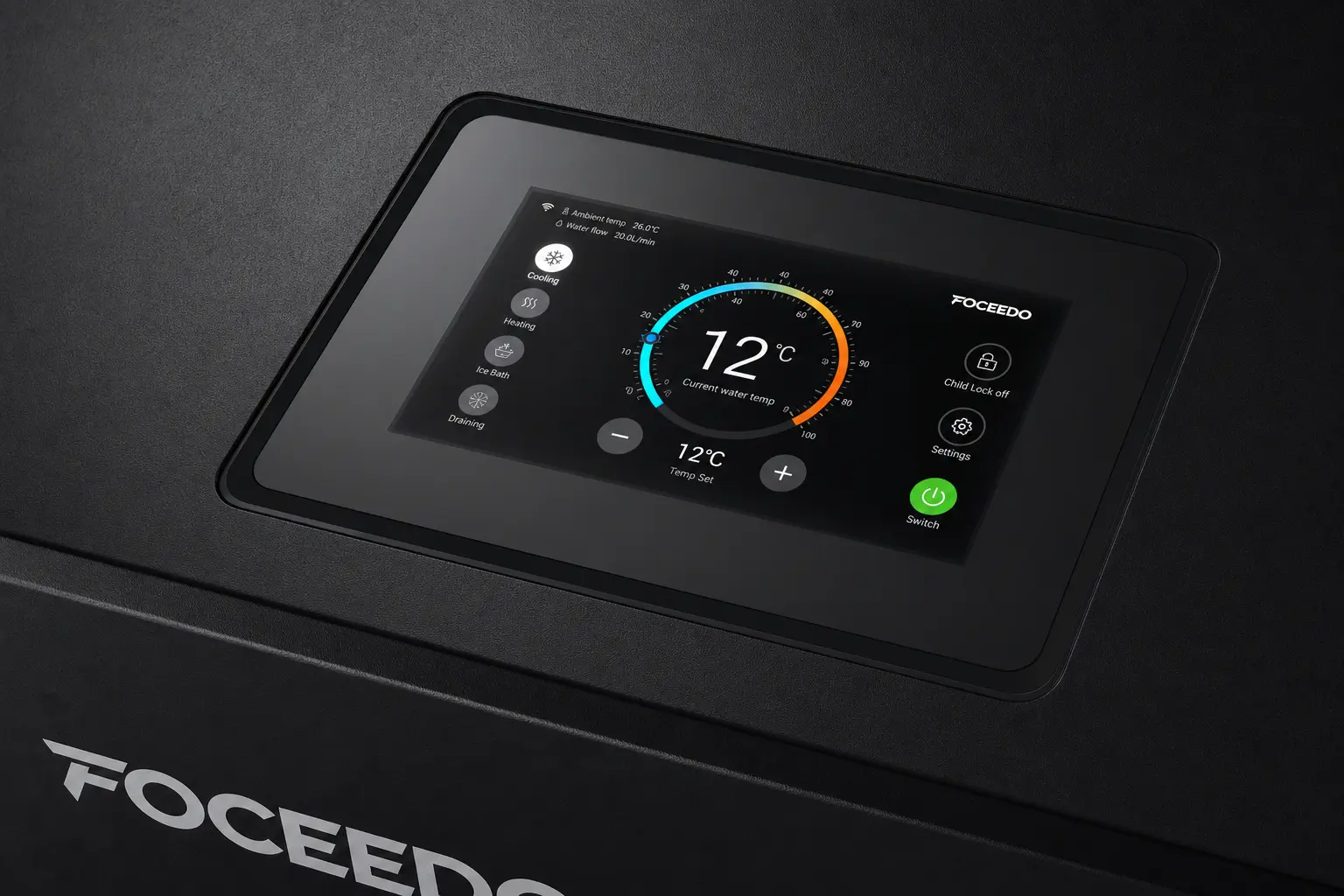
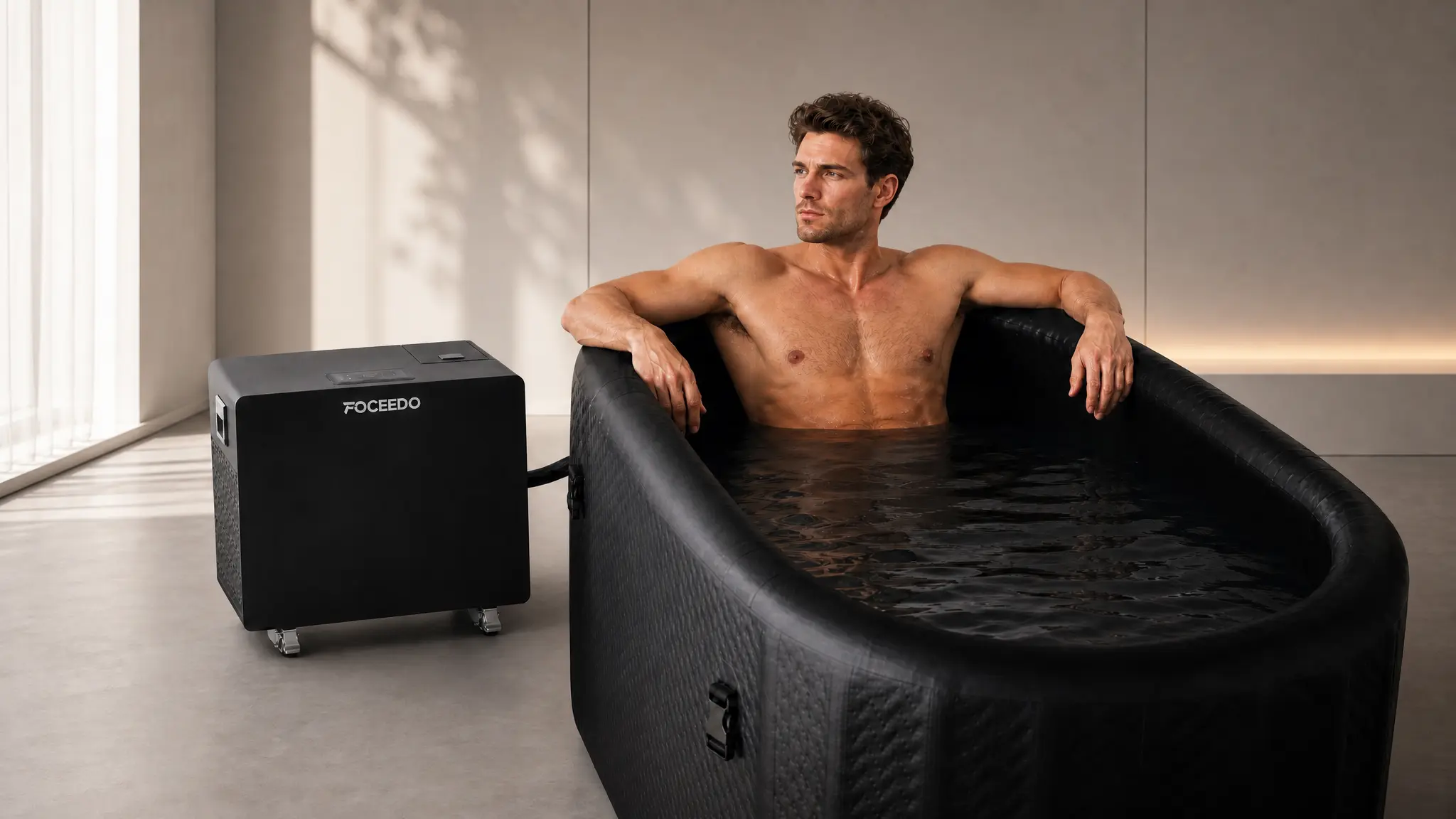
For high-frequency use, a temperature-controlled cold plunge system can make the experience more predictable. Users do not need to guess the water temperature, add ice manually, or deal with large temperature swings between sessions.
This is where FOCEEDO can fit naturally as part of a professional recovery environment. The main benefit is not hype. It is controlled temperature, stable daily use, and a safer routine for repeated cold exposure.
Cold water immersion can be a useful tool for DOMS when it is used with the right expectations. It can reduce soreness, calm pain signals, and help you feel ready to move again, but it does not replace sleep, nutrition, progressive training, or smart programming. Treat cold water as a recovery dose, not a punishment: start moderate, keep the session short, and match the timing to your real training goal.
Yes. Cold water immersion is clinically proven to reduce the severity of DOMS. By promoting vasoconstriction and applying hydrostatic pressure, cold water limits muscle swelling, decreases local inflammation, and slows nerve transmission to provide temporary, effective pain relief.
Yes, if performed immediately after hypertrophy-focused strength training. Cold exposure suppresses the natural, acute inflammation required to signal muscle growth and protein synthesis. To preserve your muscle gains, wait at least 4 to 6 hours after lifting weights before taking a cold plunge.
The ideal temperature range for muscle recovery is 11°C to 15°C (52°F to 59°F). This moderate chill effectively lowers deep-tissue muscle temperature and limits swelling without causing excessive neural shock or cardiovascular distress.
The optimal therapeutic window is 10 to 15 minutes. Staying in the cold plunge longer than 15 minutes does not increase muscle recovery benefits and significantly raises the risk of hypothermia and skin damage.
مقالات ذات صلة
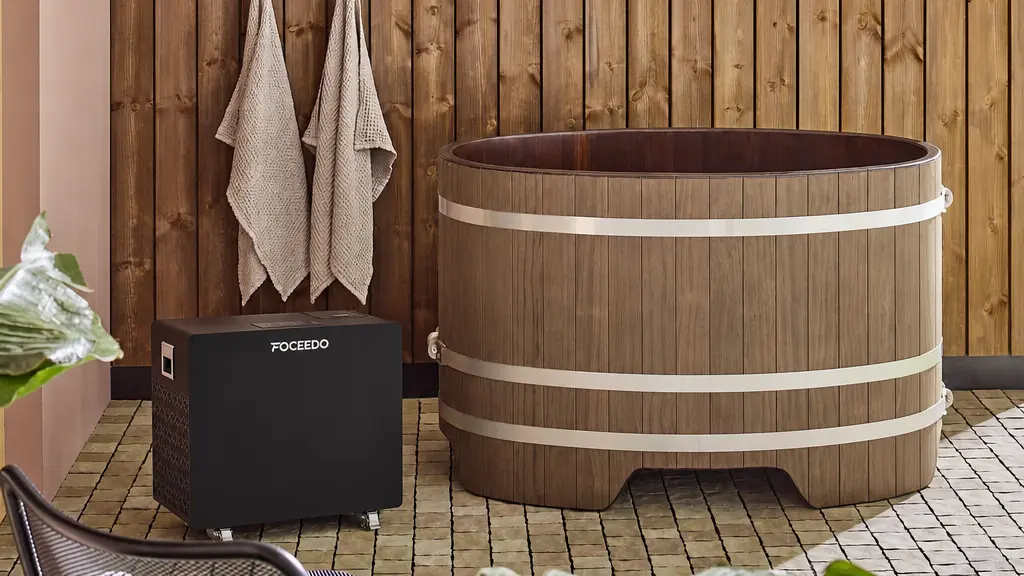
Blumenberg Tubs Powered by FOCEEDO Chillers
FOCEEDO partners with century-old German tub maker Blumenberg. Discover why they chose our chillers as the engine for their premium cold plunges.
FOCEEDO تبرم شراكة مع شركة Nordu Spa في تركيا
تبدأ شركتا «فوسييدو» و«نوردو سبا» شراكة توزيع في تركيا، حيث تُضاف مبردات الحمامات الجليدية من «فوسييدو» إلى مجموعة منتجات «نوردو سبا» المخصصة للحمامات الباردة.

تعرّف على FOCEEDO في معرض AusFitness Industry 2026
تفضلوا بزيارة FOCEEDO في الجناح رقم 116 خلال معرض AusFitness Industry، الذي سيُقام في الفترة من 11 إلى 12 سبتمبر 2026 في مركز ICC سيدني، لمناقشة موضوع التعافي بالبرودة وإمكانية إقامة شراكات.