









You don’t need to cold plunge every day to get started. For beginners, one or two sessions a week is a practical starting point. Once you know how you respond, you can decide whether another session serves a purpose or simply adds another task to your week.
How often should you take an ice bath after that? Your goals, experience and the way you plunge all matter. A short dip in moderately cold water is a different experience from a longer soak at a much lower temperature, even if both appear as one session on your calendar.
Weekly Frequency Guide
If you have never taken an ice bath, start with one or two sessions a week, following Le linee guida della Cleveland Clinic. An ice bath once a week is enough to begin learning how you respond; you do not need a daily commitment before trying it.
If you already tolerate brief plunges comfortably, you can keep that frequency or try adding one session. For example, moving from two sessions to three is a smaller, easier-to-assess change than jumping straight to daily use. Keep the water temperature and duration the same while testing the extra day.
There is no need to work toward four, five or seven sessions simply to become an “experienced” user. How many ice baths a week you choose should follow your purpose: a morning ritual, a chance to relax, or recovery after selected workouts. The next section explains how to make that choice.
What Affects Cold Plunge Frequency?
Livello di esperienza
If you are new: choose one or two separate days, rather than trying several days in a row. Keep the first sessions brief and leave time to dry off and warm up. Feeling unwell is a reason to stop, not a stage you need to push through.
If you have experience: first identify what you want an extra session to do. If two weekly sessions already give you the experience you enjoy, keep two. If you want a third morning plunge, try that additional day without also lowering the temperature or extending your time.
Your Goals
For alertness and focus: begin with one or two morning sessions if you are new. Pick mornings when you have time to warm up before work. If you find the routine helpful and tolerate it well, try an additional morning. Judge the result by whether you can settle into your work afterward, rather than just the brief rush on getting out.
For relaxation or sleep: start with one or two daytime or early-evening sessions, leaving enough time to warm up before bed. Compare sleep on plunge and non-plunge nights. If you feel more awake at bedtime or take longer to fall asleep, move the session earlier or stop the evening trial. Increasing frequency is not the first fix for poor sleep. Sleep research has not established a specific weekly ice-bath dose for this purpose.
These are ways to try a routine, not proven schedules for improving concentration or treating insomnia.
For post-exercise soreness: choose the demanding sessions where short-term relief would be useful. If your week includes one hard run and two easy workouts, you could reserve the plunge for after the hard run instead of taking three ice baths. Finish your normal cool-down and enter only when your breathing has settled and you feel steady.
If muscle growth is the priority: avoid making immediate post-lifting immersion a habit. Choose a non-lifting day if you still want a plunge. Our ice bath timing guide explains the difference between short-term recovery and long-term training goals.
Water Temperature and Duration
Frequency is only one part of cold exposure. Lower water temperatures and longer immersion both increase cooling, so changing either can make your usual weekly routine more demanding.
For a beginner, a commonly advised starting range is 10–15°C (50–59°F), with sessions limited to one or two minutes. You can leave sooner. Use a thermometer rather than guessing from the weather or the amount of ice in the tub.
When adding a weekly session, keep the temperature and duration unchanged at first. Otherwise, you are testing three changes at once. For an ice bath at home, checking the water before each use also prevents an unexpectedly cold day from turning a familiar routine into a much stronger exposure.
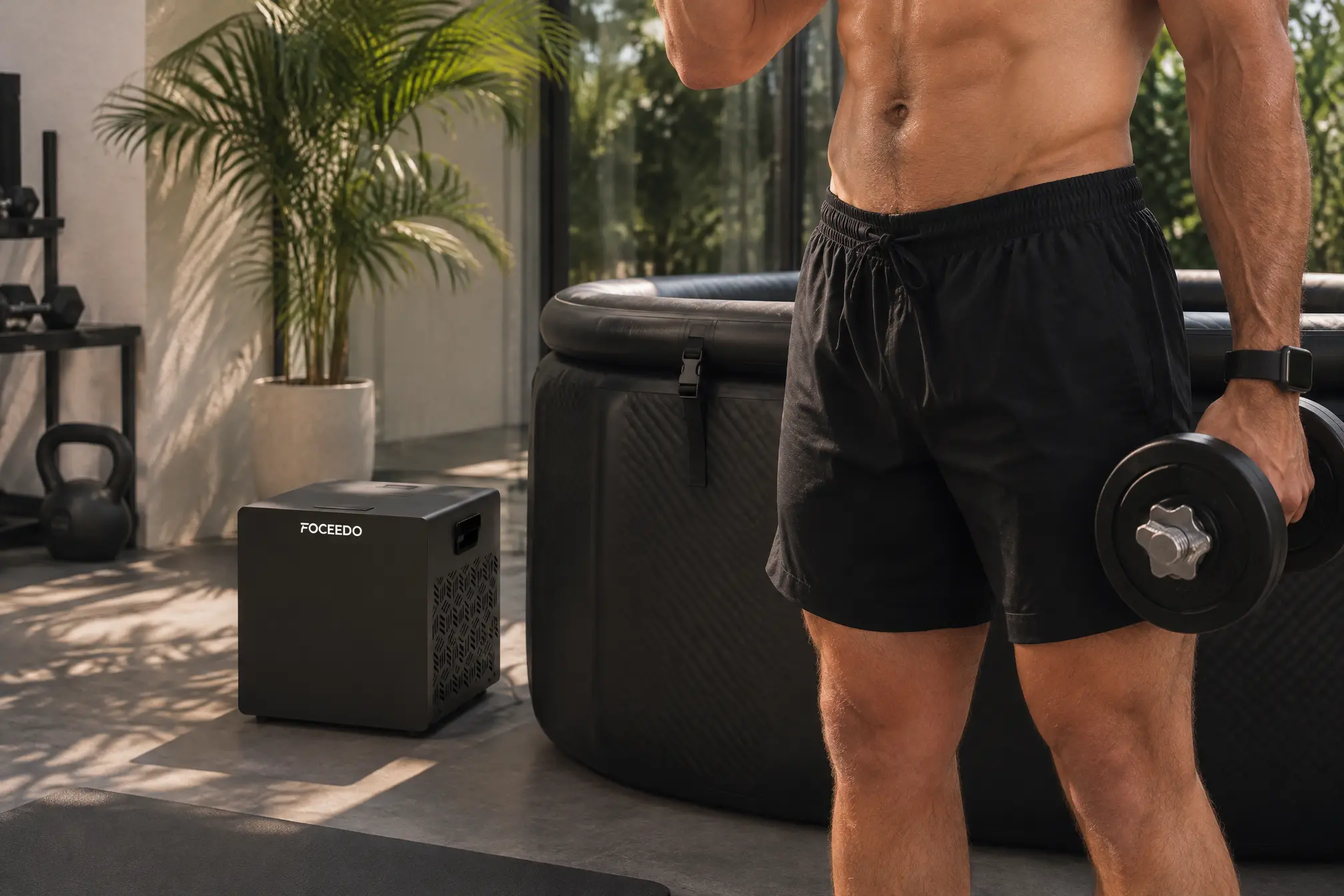
For regular home use, an ice bath chiller makes the water temperature easier to manage without repeatedly adding ice. The FOCEEDO E05 ice bath chiller lets you set the temperature and control cooling through its Wi-Fi app. Keeping the same setting while you adjust your weekly frequency gives you a more consistent basis for comparing sessions.
How to Build Your Cold Plunge Schedule
Choose Your Days
If this is your first week, choose one session, or two on separate days if the first goes well. A simple example is Tuesday morning, with Saturday as an optional second day. Arrange access to the tub, a thermometer, dry clothing and someone nearby before you start.
Choose the time to match your goal: morning for a refreshing start, daytime or early evening to explore how it affects your sleep, or after a selected hard workout for soreness relief. These time slots are starting options, not appointments you must keep if you are unwell or rushed.
If you already plunge regularly, use the same planning process but start from the frequency you comfortably tolerate. Change one thing at a time: the day, time, temperature or duration. This makes it easier to decide which change to keep.
Keep Track of Your Response
Note the time of day, water temperature, session length and the outcome you care about. For sleep, also note unusual caffeine intake or a late bedtime; for recovery, note the workout. This helps you avoid crediting or blaming the plunge for a change that had another likely cause.
Do You Need a Daily Plunge?
Some experienced users tolerate an ice bath every day. Daily use is a choice, not the final stage of a beginner’s plan. If your current schedule gives you the experience you want, keep it. If you want to try an extra day, keep the temperature and session length unchanged so you can judge that one change.
Signs You Should Adjust Your Frequency
When to Cut Back
- You feel drained or unwell afterward. Pause the routine. Review how cold the water was and how long you stayed in; repeated symptoms warrant medical advice before resuming.
- Evening plunges are followed by worse sleep. Move them earlier or stop evening sessions. Do not add more sessions to compensate for the tiredness.
- You are losing sleep to fit in ice baths. Remove the inconvenient session or choose a different day. A wellness routine should not shorten the time available for sleep.
- Every lifting session ends with an ice bath, despite a muscle-growth goal. Move optional plunges to non-lifting days rather than automatically cooling after each workout.
- You repeatedly skip sessions because the plan feels like a chore. Reduce the number to one or two realistic appointments. If it is fear caused by distressing symptoms, stop and address those symptoms rather than forcing consistency.
Are You Plunging Too Little?
An occasional plunge can be enjoyable. But if you want to evaluate a regular habit, check whether you have actually given yourself a repeatable routine:
- You only plunge when you happen to remember, several weeks apart. Try one fixed day each week before increasing to several days. This makes the habit easier to assess.
- The plan says twice a week, but you rarely manage either session. Reduce it to one dependable time or remove the preparation obstacle. Raising the target will not solve missed sessions.
- You feel comfortably recovered and want another session for a clear reason. You could add one day while keeping the same temperature and duration. Compare the added benefit with the extra effort.
- You have been consistent but notice no improvement in sleep, mood or recovery. Do not assume the dose is too low. Reconsider whether cold plunging helps that goal; persistent sleep or health problems deserve appropriate assessment rather than more cold exposure.
Cold Plunge Safety Tips
Before starting, discuss cold plunging with a clinician if you have a heart or circulation condition, high blood pressure, diabetes or reduced sensation, or if you are pregnant. Choosing fewer sessions does not remove the risk of an individual plunge.
- Make getting out easy. Use a stable entry point, keep a towel and dry clothing nearby, and have someone present, especially during your first sessions.
- Keep your head above water. Sudden immersion can trigger gasping and rapid breathing. Enter gradually and breathe normally; avoid breath-holding or deliberate hyperventilation in the water.
- End the session if you feel unwell. Dizziness, persistent breathing difficulty, marked numbness or trouble moving are reasons to get out, not push through.
- Warm up before moving on. Dry off and put on warm clothing. Wait until you are warm and moving normally before exercise or driving.
Chest pain, fainting, confusion or severe breathing difficulty require urgent medical help. Do not treat them as a normal part of getting used to cold water.