









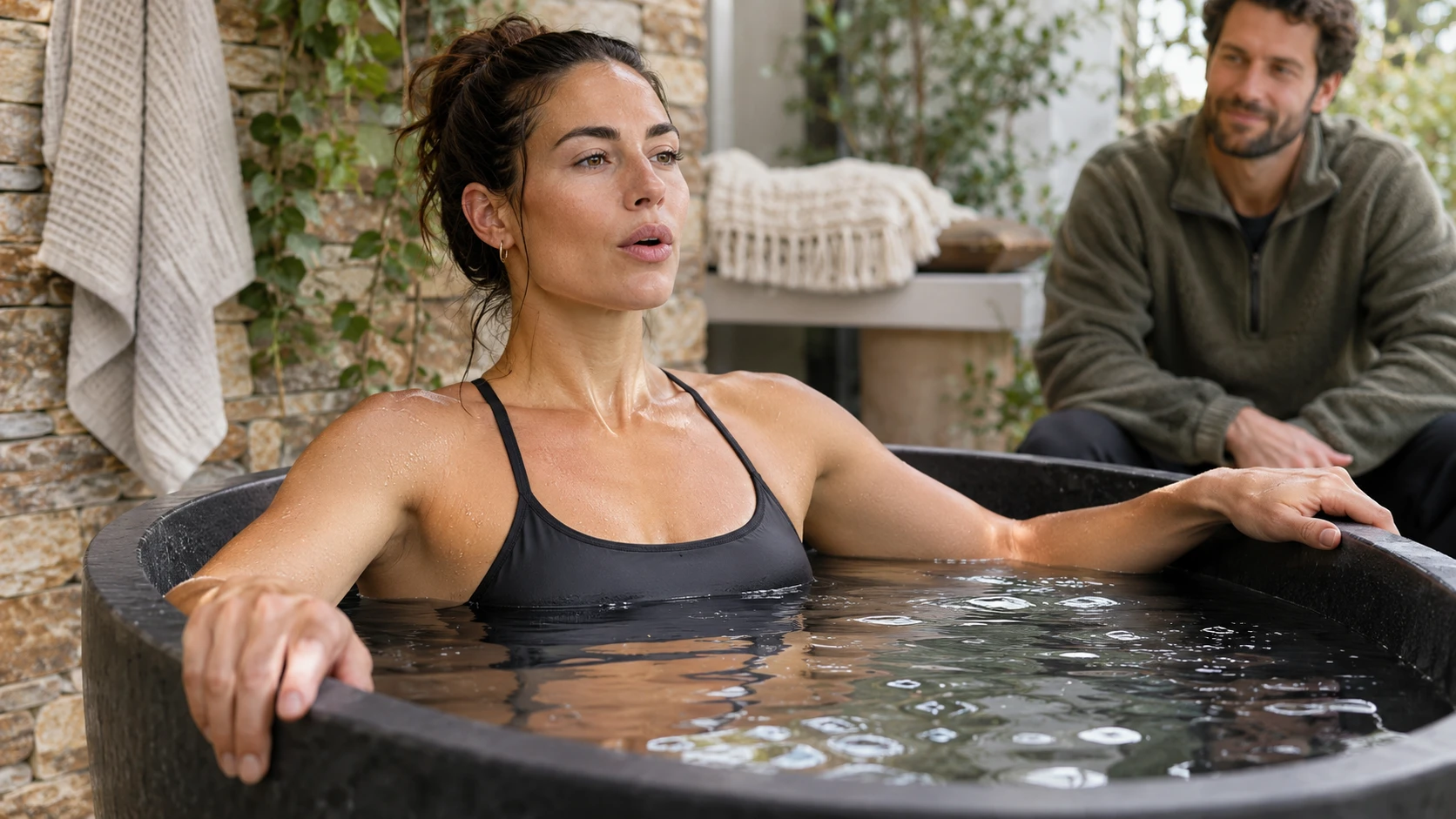
Breathe gently and continuously during an ice bath. Keep your face above the surface, let each exhale leave without pushing, and allow the next breath to come naturally. If you cannot control your gasping, get out with assistance rather than waiting for a timer to finish.
Before your next cold plunge:
- Practice relaxed breathing while seated away from the tub.
- Check the temperature and make sure you can get out easily.
- Enter gradually, keeping your mouth and nose above the surface.
- Avoid breath holds and rapid, forceful breathing.
Why Breathing Matters
Cold water can trigger an involuntary gasp and a sudden increase in breathing rate. This cold shock response can make you feel panicked even when you intended to enter the bath. Keeping your face above the surface reduces the chance of inhaling water during that first gasp. RNLI cold water guidance
A familiar breathing pattern gives you something simple to focus on when the cold demands your attention. Practicing beforehand also lets you learn the difference between an easy breath and one you are forcing. During your plunge, pay attention to whether your breathing is settling or becoming harder to manage.
Before You Get In
Check Your Setup
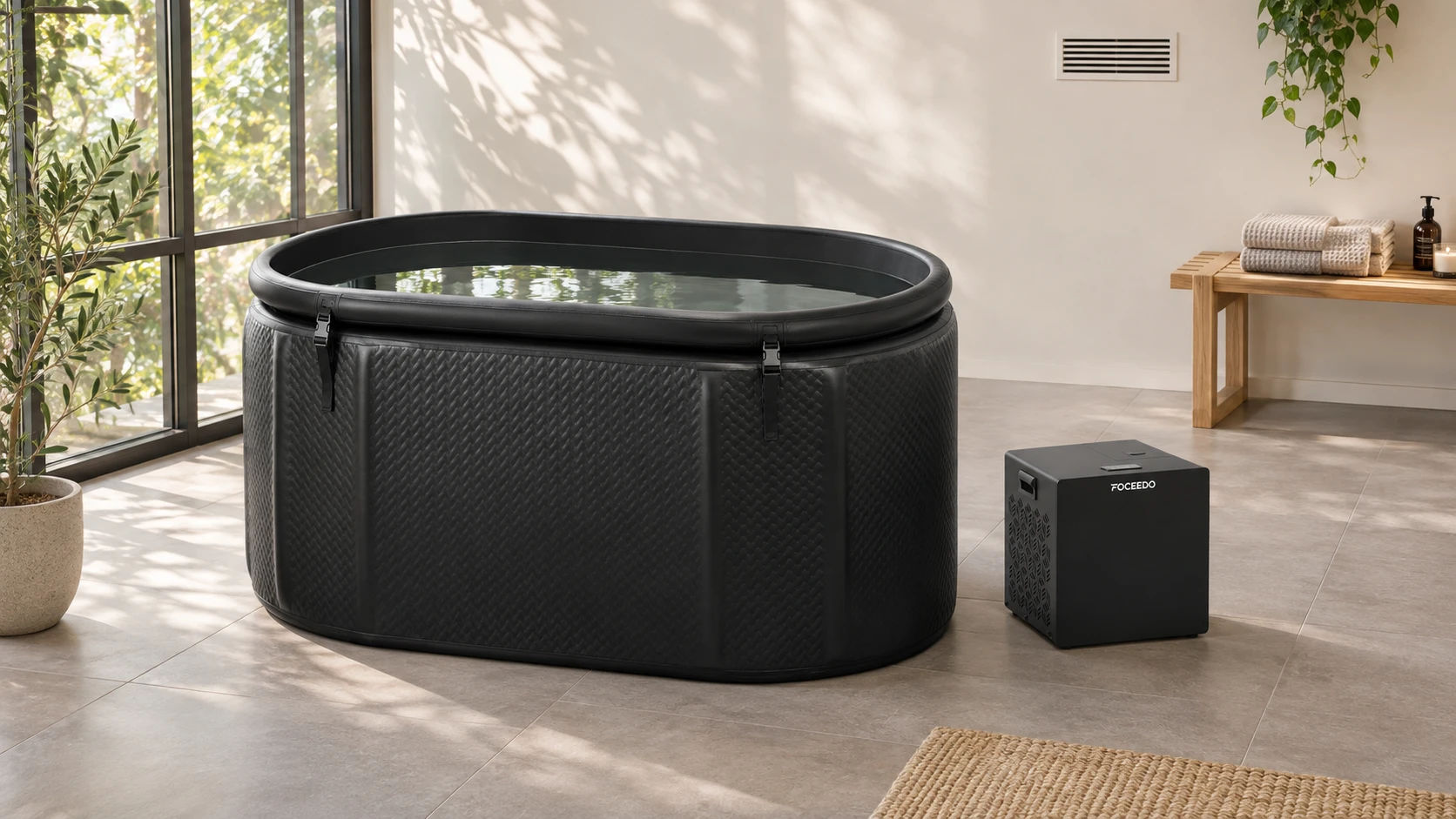
Measure the water temperature before entering. Begin with a less intense temperature while you get used to cold immersion, and avoid lowering it at the same time as extending your sessions. A FOCEEDO ice bath chiller lets you set a water temperature and adjust it between sessions as you become familiar with cold immersion.
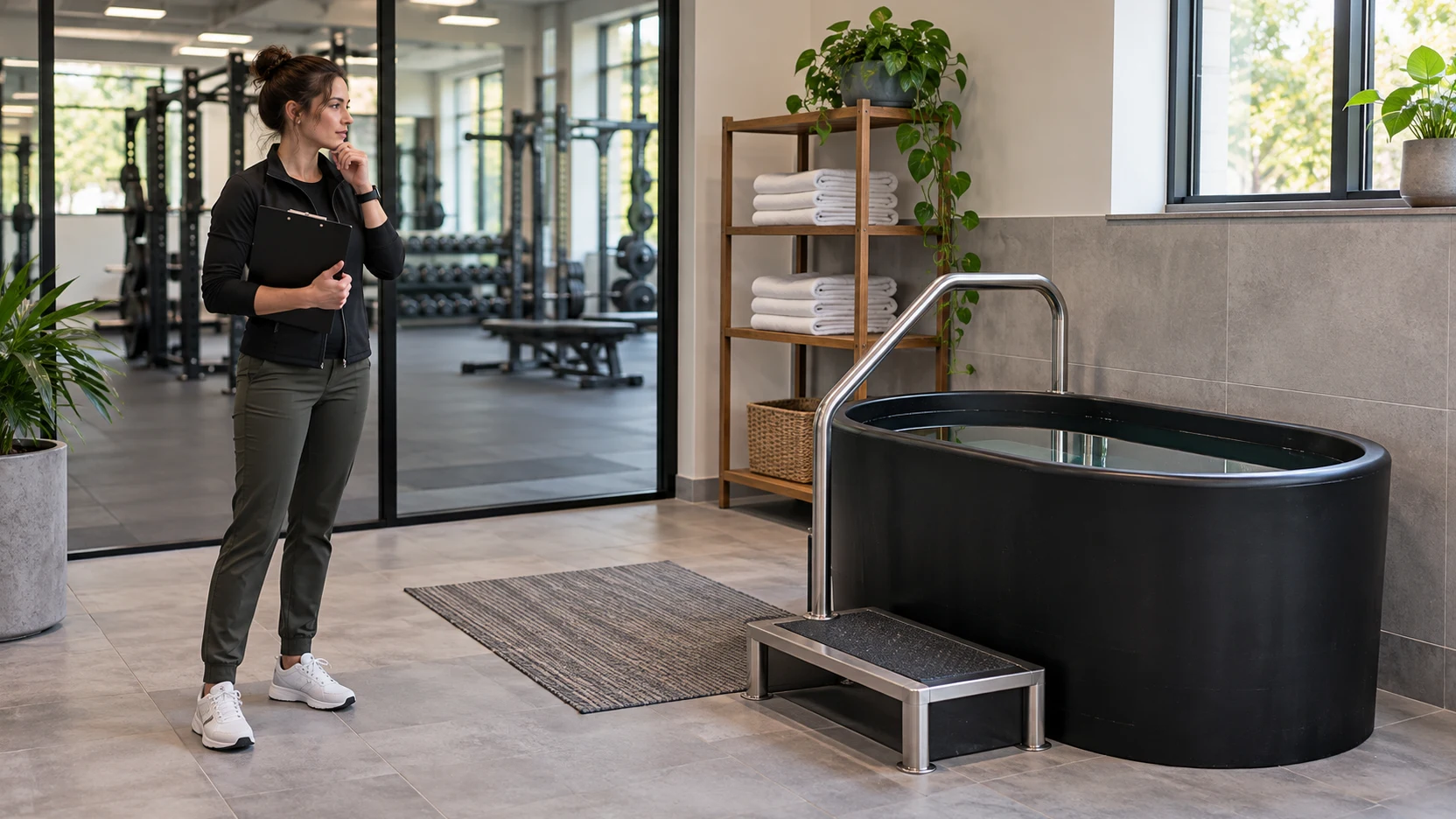
Have another adult nearby, keep your towel within reach, and check your footing and the support you will use to get out. Do not use the chiller or its hoses as a handhold.
Practice Before Your Ice Bath
Sit comfortably away from the tub with your feet supported. Release tension in your jaw and shoulders, then rest one hand lightly on your abdomen. Take a few ordinary breaths and notice how your hand moves.
Let the air enter gently through your nose if comfortable, then leave easily through your mouth. There is no need to fill your lungs as far as possible. If you have just exercised, wait until your breathing has settled before considering a plunge.
For a separate relaxation practice, the NHS describes gentle, regular breathing for at least five minutes, with counting if it helps. Practicing when you are warm and comfortable lets you learn the rhythm without the distraction of cold water. NHS breathing exercise
Ice Bath Breathing Techniques
The first three approaches describe how to make breathing gentler or more regular. They can overlap: you might use abdominal breathing with a comfortable rhythm. Box breathing and 4-7-8 include breath holds, so keep those as separate exercises out of the bath and away from water.
Diaphragmatic Breathing
Diaphragmatic breathing, often called belly breathing, focuses on the movement of your abdomen as you breathe.
- Sit with your back supported. Put one hand on your upper chest and the other on your abdomen.
- Breathe in gently through your nose. Let your abdomen expand naturally without deliberately pushing it outward.
- Breathe out easily and feel your abdomen settle.
- Keep your shoulders relaxed. Avoid lifting them to pull in a larger breath.
Learn the movement before your ice bath. During immersion, keep the breath easy; you do not have to hold your hands in place or force a larger abdominal movement.
Paced Breathing
Paced breathing uses counting to make inhaling and exhaling more regular, without adding a breath hold.
- While seated, inhale gently and count at a comfortable pace.
- Exhale gently using the same count, with no deliberate pause between breaths.
- Repeat while the rhythm feels easy.
For example, you could count to three on the inhale and three on the exhale. This is a practice cue, not a required rate for ice bathing. If you feel short of air or need a large catch-up breath, stop counting and return to normal breathing.
Extended Exhale
This approach makes the out-breath slightly longer than the in-breath. Practice without squeezing your lungs empty.
- Take a comfortable, unforced breath in.
- Release it gently through your mouth, letting the exhale last a little longer.
- Breathe in again when you need to, without holding at the end.
During a cold plunge, a gentle out-breath can be a useful focus. Do not keep extending it if you feel an urgent need to inhale. There is no need to meet a particular inhale-to-exhale ratio.
Box Breathing
Practice this seated away from water. The pattern has four equal stages:
- Inhale gently for four counts.
- Hold for four counts.
- Exhale for four counts.
- Hold for four counts before the next inhale.
Cleveland Clinic describes three to four rounds as a practice example. Keep the counting comfortable; stop if the pauses feel strained or you become lightheaded. Finish the exercise and return to normal breathing before getting up. Do not carry the breath holds into your ice bath. Box breathing guidance
4-7-8 Breathing
This is also a separate, seated exercise away from water. Its longer hold and uneven counts may take more practice to get used to.
- Rest the tip of your tongue just behind your upper front teeth and breathe out.
- Close your mouth and inhale through your nose for four counts.
- Hold for seven counts.
- Exhale through your mouth for eight counts, making a soft whooshing sound.
The numbers are counts, not a demand to hold for seven full seconds. Keep the pace comfortable and do not force yourself to finish a round. Lightheadedness or breathlessness means you should stop and resume normal breathing. Do not enter the bath while feeling unwell. 4-7-8 breathing guidance
How to Breathe During a Cold Plunge
Enter Slowly
Use a stable handhold and lower yourself gradually. Keep your head and face out of the water. If your breathing becomes uncontrolled, stop lowering yourself and get out with help.
Avoid taking a huge breath and holding it as you enter. Continue breathing throughout the movement, without rushing to reach a particular immersion depth.
Find Your Rhythm
Once seated, loosen your jaw and shoulders. Let a gentle exhale go, then take the next breath naturally. Nasal inhalation is fine when comfortable, but do not force nose-only breathing if it leaves you struggling for air.
If counting helps after your breathing has settled, use an easy rhythm without pauses. Otherwise, simply follow the feeling of each breath entering and leaving.
Wim Hof breathing is different from this normal breathing during immersion. Its official guidance says to breathe normally during cold exposure involving water and not to perform the Wim Hof breathing exercise. Wim Hof safety guidance
Common Breathing Mistakes
- Holding your breath against the cold. Check whether you are clenching your jaw and bracing. Release the breath gently and continue breathing.
- Taking repeated huge breaths. Rapid, forceful breathing can cause lightheadedness. Avoid using it to prepare for or push through an ice bath.
- Forcing the count. If keeping a pattern leaves you hungry for air, drop the count. Do not turn a breathing cue into another endurance target.
- Dipping your face while gasping. Keep your mouth and nose above the surface throughout the plunge.
- Staying because the timer is still running. End the session if you cannot regain comfortable breathing. Do not wait for a prescribed number of seconds to pass.
Sicherheitstipps
- Check with a healthcare professional first. If you have a heart condition, uncontrolled high blood pressure, a breathing disorder or a history of fainting, speak with a healthcare professional before trying cold immersion or breath-holding exercises.
- Know when to get out. Leave the bath with assistance if you become dizzy, feel faint or cannot control your breathing. Feeling calm does not protect you from becoming too cold, so keep monitoring how you feel throughout the session.
- Get urgent help for serious symptoms. Chest pain, fainting or severe or persistent breathing difficulty requires urgent medical help.
- Dry off and warm up afterward. Put on warm clothing after getting out. Our guide to warming up after a cold plunge covers the next steps. If you feel lightheaded, sit somewhere safe and have someone stay with you.