










Indice
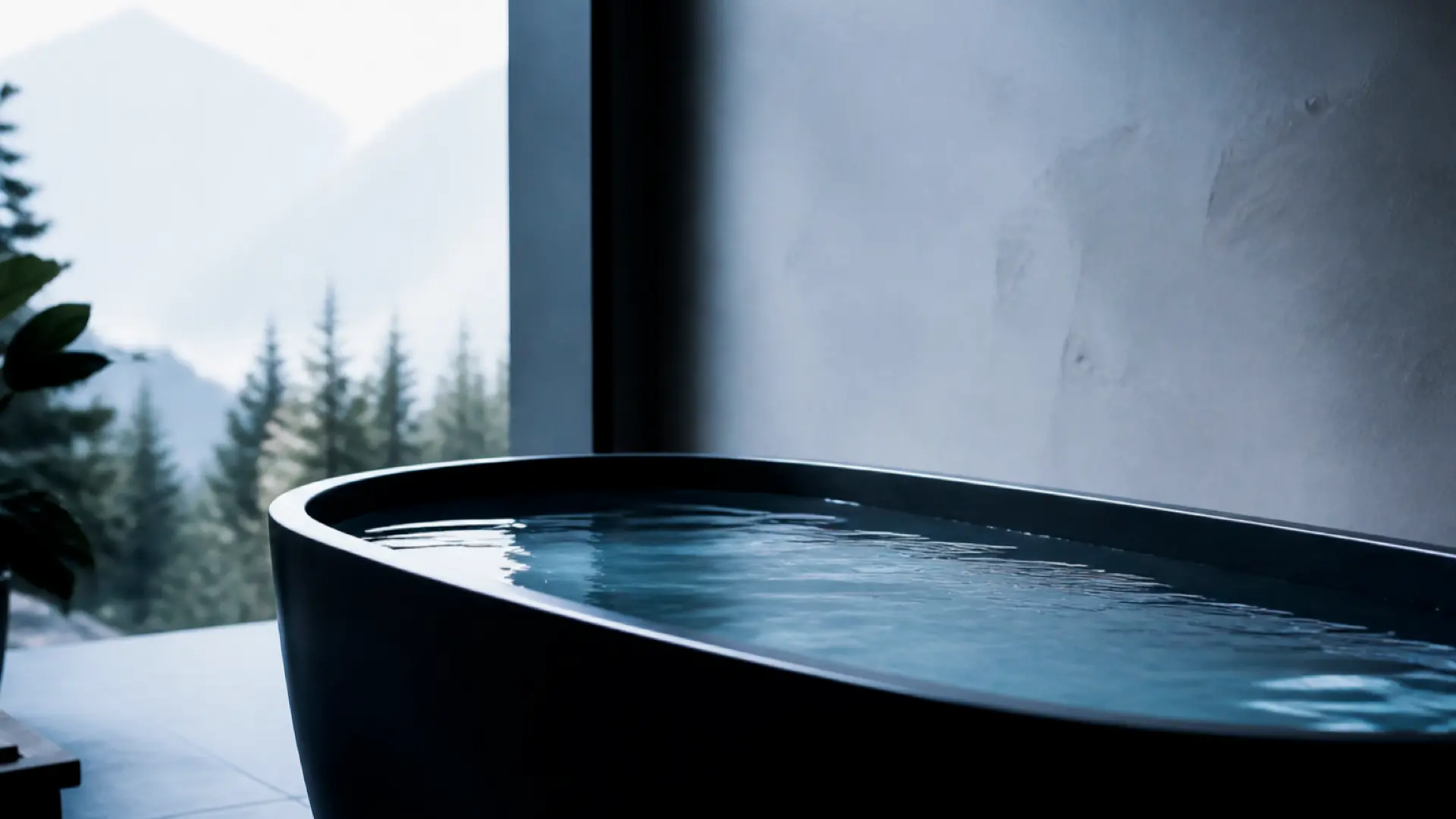
Un tuffo in acqua fredda stimola il nervo vago?
Risposta diretta: L'acqua fredda può influenzare l'attività cardiaca mediata dal nervo vago, soprattutto quando il freddo raggiunge il viso e durante la fase di recupero dopo l'immersione. Tuttavia, un'immersione in acqua fredda che coinvolga tutto il corpo non si limita ad attivare il nervo vago né garantisce un aumento duraturo del tono vagale.
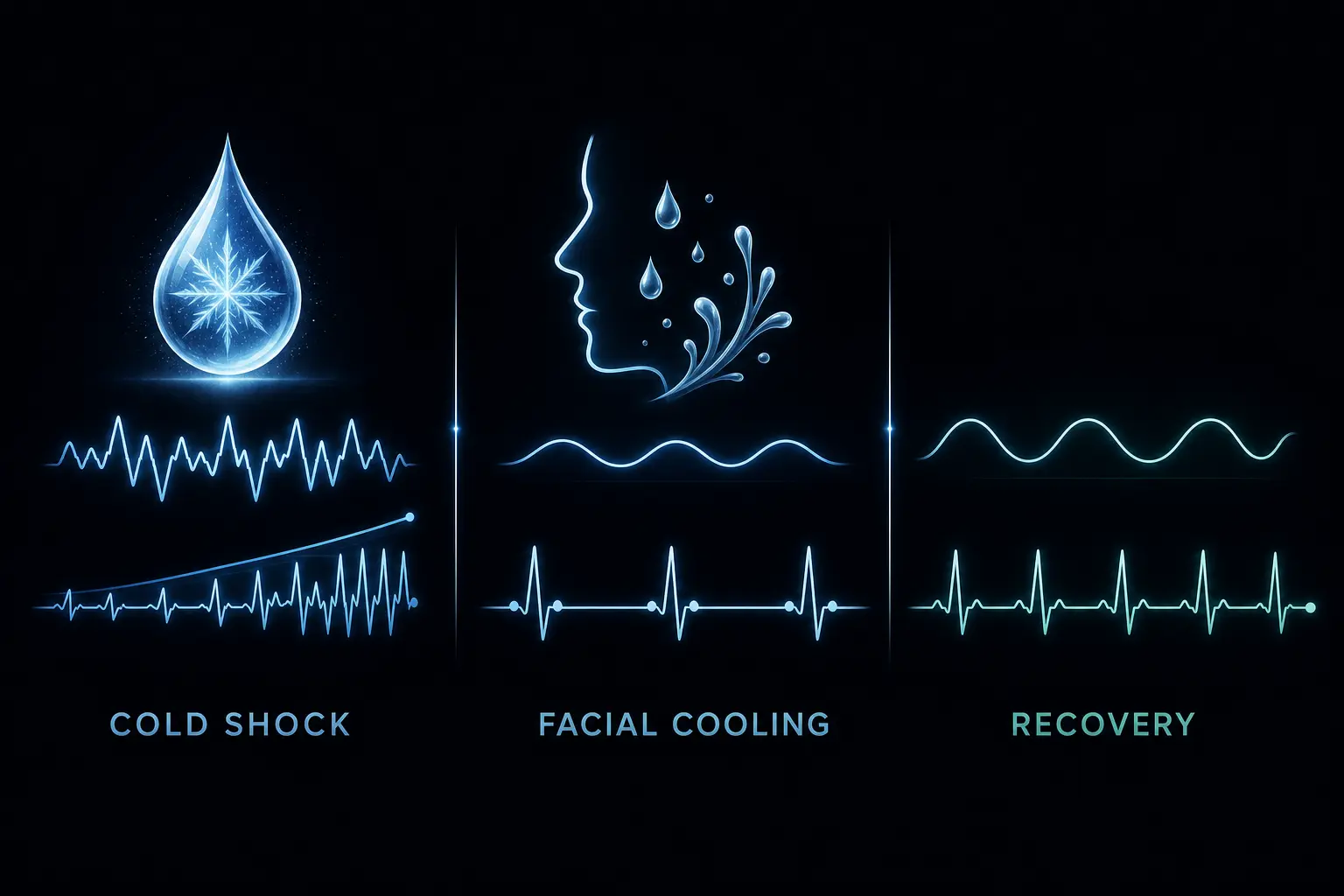
Cosa succede per primo: L'immersione improvvisa provoca solitamente una risposta simpatica allo shock da freddo, che può aumentare la frequenza respiratoria, la frequenza cardiaca e la pressione sanguigna.
Cosa potrebbe succedere in seguito: La respirazione controllata, il raffreddamento del viso, la pressione dell’acqua e il recupero post-immersione possono spostare l’attività autonomica verso una maggiore influenza parasimpatica.
La sicurezza prima di tutto: Non unire l’immersione della testa alla apnea e non tuffarti da solo se non hai esperienza con l’acqua fredda.
I bagni freddi influiscono sul sistema nervoso autonomo, ma la risposta è più complessa del semplice “il freddo attiva il nervo vago”. I primi secondi possono avere un effetto stimolante piuttosto che calmante, e le prove più evidenti a sostegno del riflesso vagale provengono dall’applicazione di acqua fredda sul viso, non semplicemente dal fatto di stare immersi in un bagno di ghiaccio.
Questa distinzione è importante perché il nervo vago viene utilizzato anche nella medicina clinica come bersaglio terapeutico. Un tuffo in acqua fredda a scopo ricreativo può modificare temporaneamente l’attività del sistema autonomo, ma non è equiparabile alla stimolazione medica del nervo vago e non dovrebbe essere presentato come un trattamento per l’ansia, i disturbi del sonno, i problemi digestivi o le patologie cardiache.
Qual è la funzione del nervo vago?
Il nervo vago è il decimo nervo cranico e costituisce una delle principali vie di comunicazione tra il tronco encefalico e gli organi, tra cui il cuore, i polmoni e l'apparato digerente. Contribuisce alle funzioni parasimpatiche che aiutano a regolare la frequenza cardiaca, la respirazione e la digestione.
“Il termine ”tono vagale” viene spesso utilizzato per descrivere l’influenza del sistema parasimpatico sul cuore. I ricercatori possono stimarlo ricorrendo a parametri quali variabilità della frequenza cardiaca, o HRV, ma l'HRV è un indicatore indiretto influenzato dalla respirazione, dalla postura, dall'attività fisica, dal sonno, dall'idratazione e da molti altri fattori.
Cosa succede quando ci si immerge in acqua fredda
La risposta allo shock da freddo viene prima di tutto
L'immersione improvvisa in acqua fredda attiva i recettori del freddo presenti in tutta la pelle. Ciò può provocare un respiro affannoso involontario, una respirazione accelerata, un aumento della frequenza cardiaca e un aumento della pressione sanguigna: l'opposto di una risposta di rilassamento immediato.
L'intensità dipende da temperatura dell'acqua, la rapidità con cui ci si immerge, la quantità di corpo immersa e la propria esperienza con l’acqua fredda. L’esposizione ripetuta può attenuare alcuni aspetti di questa reazione, ma la familiarità con l’acqua fredda non elimina completamente il rischio cardiovascolare.
La respirazione calma non elimina lo shock
Una respirazione lenta e controllata può aiutarti a evitare il panico e a riprendere il controllo della respirazione. Ciò non garantisce che la frequenza cardiaca o la pressione sanguigna diminuiscano immediatamente, e non dovrebbe essere considerata una protezione contro ogni rischio legato al raffreddore.
Evita l’iperventilazione e di trattenere il respiro a lungo prima o durante l’immersione. Se non riesci a controllare il respiro, esci dall’acqua invece di cercare di raggiungere il tempo prefissato.
Il ruolo del nervo vago
Il raffreddamento del viso può innescare la risposta subacquea
La risposta di immersione nei mammiferi è strettamente correlata al raffreddamento del viso e all’apnea. I segnali sensoriali provenienti dal viso viaggiano principalmente attraverso il nervo trigemino fino al tronco encefalico, il che può aumentare l’influenza del nervo vago sul cuore e rallentare la frequenza cardiaca, mentre l’attività simpatica provoca la costrizione dei vasi sanguigni degli arti.
Ciò significa che la risposta non consiste semplicemente in uno "stato di calma parasimpatica". Il rallentamento cardiaco di origine vagale e la vasocostrizione simpatica possono verificarsi contemporaneamente, specialmente durante l’immersione del viso e l’apnea.
Un tuffo con solo il busto non è lo stesso riflesso
Entrare in acqua fredda con la testa fuori dalla superficie può comunque alterare l’attività autonomica attraverso i recettori del freddo, la pressione idrostatica, i cambiamenti respiratori e gli adattamenti cardiovascolari. Tuttavia, ciò non dovrebbe essere automaticamente interpretato come un riflesso di immersione completo o come una stimolazione diretta delle fibre vagali presenti nel collo.
Il nervo vago si trova in profondità nel collo. L'acqua fredda che entra in contatto con la pelle non raggiunge direttamente il nervo né lo stimola elettricamente come fa un dispositivo medico per la stimolazione del nervo vago.
La fase di recupero potrebbe sembrare più tranquilla
Una volta superato lo shock iniziale causato dal freddo — o dopo essere usciti dall’acqua — la frequenza cardiaca e la respirazione possono tornare ai valori basali. Alcuni studi riportano variazioni a breve termine della variabilità della frequenza cardiaca (HRV) compatibili con una riattivazione del sistema parasimpatico, in particolare quando l’immersione in acqua fredda viene effettuata dopo l’esercizio fisico.
Tale risposta acuta non dimostra che ogni immersione in acqua fredda aumenti il tono vagale a lungo termine. Né dimostra che l'esposizione al freddo "riorganizzi" in modo permanente il sistema nervoso autonomo.
Cosa può e cosa non può dimostrare la ricerca
L'HRV è utile ma ha dei limiti
L'HRV può aiutare i ricercatori a osservare i cambiamenti nella regolazione autonomica cardiaca. Un valore più elevato in una misura dell'HRV dopo l'immersione può indicare una maggiore influenza parasimpatica, ma non si tratta di una misurazione diretta del nervo vago e di per sé non dimostra un miglior stato di salute o una maggiore resistenza allo stress.
I risultati dipendono anche dal momento in cui viene misurata la HRV. Un valore rilevato durante il primo minuto di esposizione al freddo può risultare molto diverso da uno rilevato durante il recupero post-allenamento o più tardi quella sera stessa.
Le prove scientifiche sullo stress e il sonno sono ancora in fase di elaborazione
Una revisione sistematica del 2023 ha rilevato cambiamenti nel livello di stress in funzione del tempo e alcuni miglioramenti nella qualità del sonno e nella qualità della vita dopo l’immersione in acqua fredda. Gli autori hanno inoltre sottolineato la limitata base di evidenze, le differenze tra i protocolli di studio e l’assenza di un miglioramento consistente dell’umore.
È quindi ragionevole affermare che alcune persone si sentano più tranquille dopo un tuffo. Non è invece ragionevole promettere una riduzione del cortisolo, un sonno più profondo, una migliore digestione o un sollievo dall’ansia perché il nervo vago è stato "completamente attivato"."
L'efficacia dell'allenamento vagale a lungo termine non è stata dimostrata
L'esposizione ripetuta al freddo può aiutare le persone ad abituarsi al disagio e a controllare la respirazione in modo più efficace. Tale adattamento non dovrebbe essere descritto come una riorganizzazione neurologica permanente né come un aumento garantito della HRV di base.
Una recente spiegazione clinica fornita dall'Houston Methodist opera la stessa distinzione: le pratiche quotidiane possono modulare in misura modesta l'attività del sistema nervoso, ma ciò è diverso dal modificare il funzionamento di un nervo nel lungo periodo.
Un modo più sicuro per provare un tuffo in acqua fredda
Inizia con una temperatura che ti risulti comoda
Non esiste una “temperatura ottimale” scientificamente provata per la stimolazione del nervo vago. I principianti dovrebbero utilizzare acqua che risulti fredda al tatto, ma che consenta comunque di respirare in modo controllato, piuttosto che optare per acqua a temperatura vicina allo zero per ottenere una risposta più intensa.
Esposizione breve È sufficiente per capire come reagisce il tuo corpo. Interrompi la sessione se non riesci a ritrovare un respiro regolare e aumenta la durata o riduci la temperatura solo gradualmente nelle sessioni successive.
Entra lentamente e mantieni libere le vie respiratorie
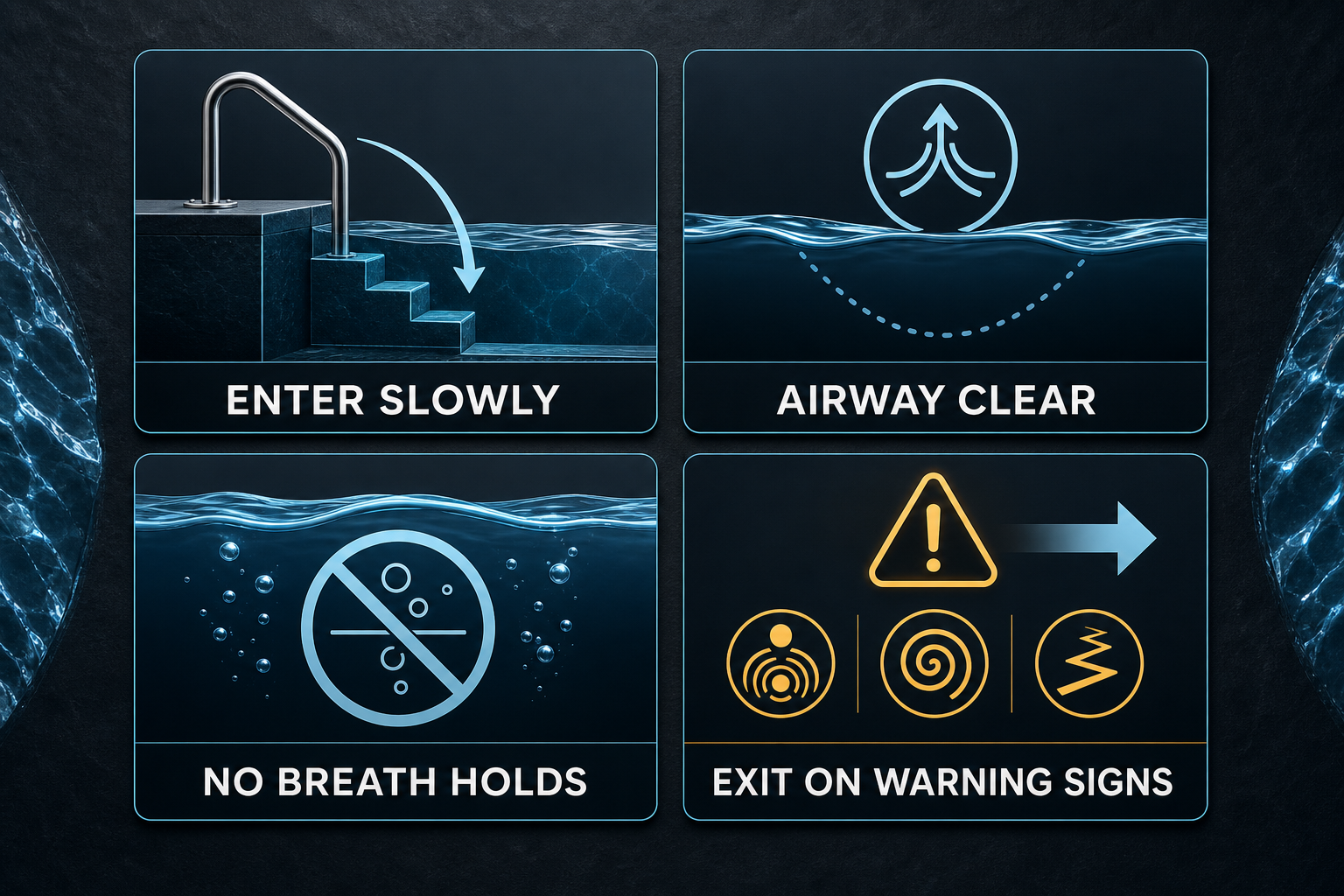
Appoggiati a un gradino o a un appiglio stabile ed entra senza saltare. Tieni il viso sopra la superficie mentre controlli il respiro, l’equilibrio e lo stato di vigilanza.
Non effettuare apnee prolungate, iperventilazione intenzionale o sfide subacquee. L’immersione del viso può provocare un riflesso cardiaco più intenso e non dovrebbe essere utilizzata con leggerezza come metodo per “massimizzare” l’attivazione del nervo vago.
Sapere quando fermarsi
Esci immediatamente dall'acqua se avverti dolore al petto, grave difficoltà respiratoria, confusione, sensazione di svenimento, perdita di coordinazione o brividi incontrollabili. Una volta uscito, riscaldati gradualmente, evitando di esporsi a fonti di calore estreme e improvvise.
Le persone affette da malattie cardiache, disturbi del ritmo cardiaco, ipertensione non controllata, con una storia clinica di svenimenti o convulsioni, o con altre patologie significative, dovrebbero consultare un medico qualificato prima di immergersi in acqua fredda. La supervisione è particolarmente importante per chi lo fa per la prima volta.
Per palestre e centri di recupero
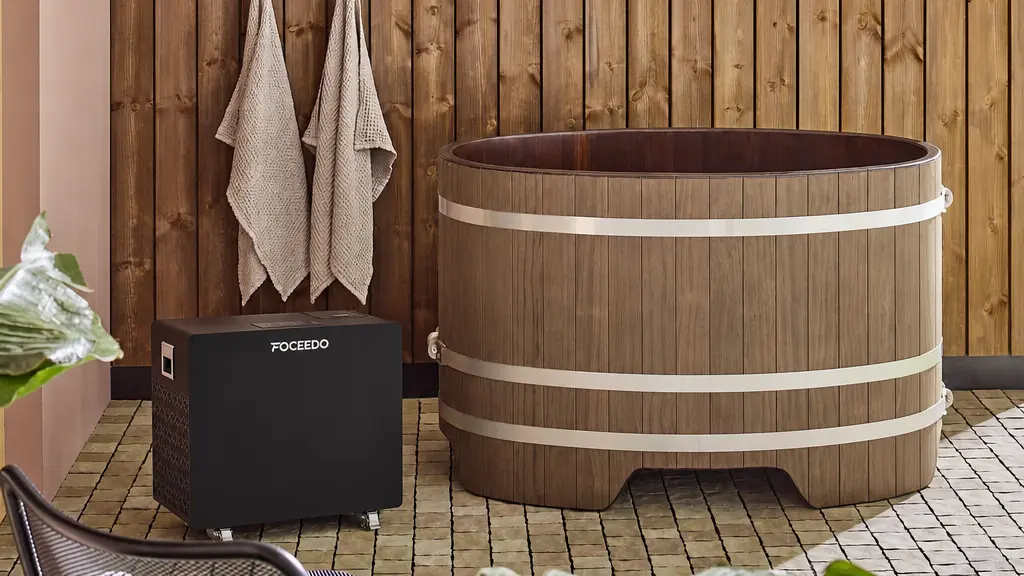
Una vasca di immersione fredda a uso commerciale dovrebbe dare priorità a temperature costanti, acqua pulita, un accesso sicuro, procedure adeguate da parte del personale e norme di emergenza ben visibili. L’acqua più fredda non è automaticamente più efficace, e un potente refrigeratore non rende un protocollo aggressivo adatto a tutti gli utenti.
La circolazione dell’acqua e le condizioni igienico-sanitarie favoriscono il funzionamento regolare e l’igiene; non provocano né garantiscono una risposta vagale. Le strutture dovrebbero distinguere i benefici delle apparecchiature dalle affermazioni di natura medica e offrire un’opzione prudente per la prima seduta.
L'acqua fredda può influenzare l'attività cardiaca mediata dal nervo vago, in particolare quando raffredda il viso. Anche l'immersione totale del corpo modifica l'attività autonomica, ma la prima reazione è spesso uno shock da freddo di tipo simpatico piuttosto che un immediato stato di calma parasimpatica.
Una doccia fredda attiva i recettori del freddo della pelle e può modificare la respirazione e l'attività autonomica. Non vi sono prove che dimostrino che una doccia stimoli direttamente il nervo vago o produca la stessa risposta dell'immersione del viso in acqua fredda.
Non come metodo abituale per intensificare un tuffo. Il raffreddamento del viso, combinato con l’apnea, può provocare una reazione di immersione più intensa, e i segnali simultanei del sistema simpatico e parasimpatico potrebbero aumentare il rischio cardiaco nelle persone predisposte.
inizio del raffreddamento.Alcuni studi riportano variazioni a breve termine della HRV dopo l’immersione in acqua fredda, in particolare durante la fase di recupero dall’attività fisica. Una variazione temporanea non dimostra un miglioramento duraturo del tono vagale e le letture della HRV rilevate tramite dispositivi indossabili non dovrebbero essere considerate come una diagnosi.
Un tuffo in acqua fredda può provocare una forte sollecitazione del sistema autonomo, seguita da un periodo di recupero più tranquillo, ma il termine “stimolazione del nervo vago” è troppo semplicistico per descrivere la risposta nella sua interezza. L’obiettivo più sicuro non è quello di forzare un effetto neurologico, bensì di ricorrere a un’esposizione al freddo gestibile, mantenendo il controllo della respirazione, la consapevolezza e un piano di uscita ben definito.
Articoli correlati
Blumenberg Tubs Powered by FOCEEDO Chillers
FOCEEDO partners with century-old German tub maker Blumenberg. Discover why they chose our chillers as the engine for their premium cold plunges.
FOCEEDO stringe una partnership con Nordu Spa in Turchia
FOCEEDO e Nordu Spa avviano una partnership di distribuzione in Turchia, integrando i refrigeratori per bagni di ghiaccio FOCEEDO nella gamma di vasche di immersione fredda di Nordu Spa.

Vieni a conoscere FOCEEDO all’AusFitness Industry 2026
Venite a conoscere FOCEEDO allo stand 116 in occasione dell’AusFitness Industry, l’11 e il 12 settembre 2026 all’ICC di Sydney, per discutere di recupero dal freddo e di collaborazioni.