










Table of Contents
Does a Cold Plunge Stimulate the Vagus Nerve?
Direct answer: Cold water can influence vagally mediated heart activity, especially when cold reaches the face and during recovery after immersion. However, a full-body cold plunge does not simply switch on the vagus nerve or guarantee a lasting increase in vagal tone.
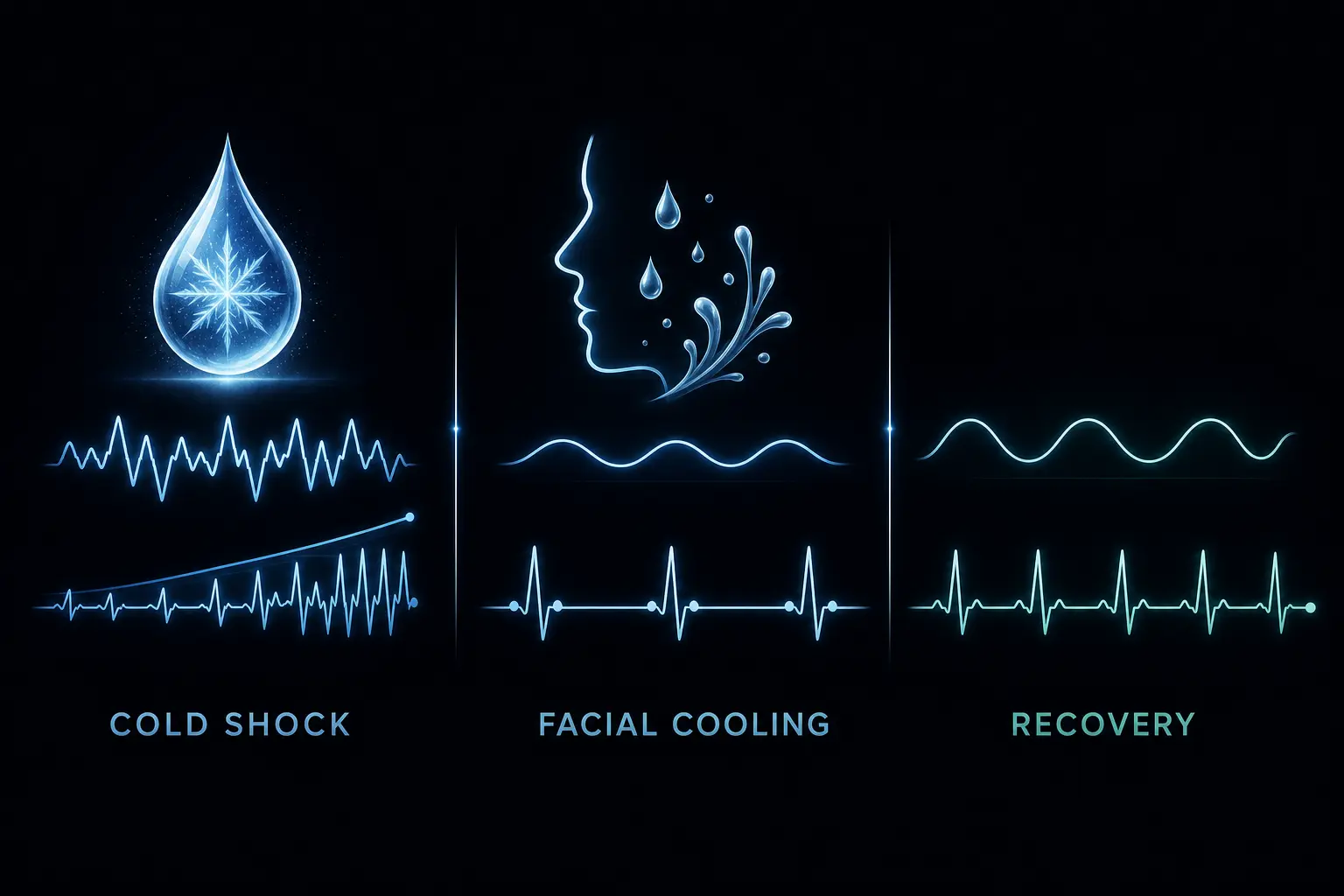
What happens first: Sudden immersion usually triggers a sympathetic cold shock response, which can raise breathing rate, heart rate, and blood pressure.
What may happen next: Controlled breathing, facial cooling, water pressure, and post-immersion recovery can shift autonomic activity toward greater parasympathetic influence.
Safety first: Do not combine head immersion with breath-holding, and do not plunge alone if you are new to cold water.
Cold plunges affect the autonomic nervous system, but the response is more complex than “cold activates the vagus nerve.” The first seconds can be stimulating rather than calming, and the strongest evidence for a vagal reflex comes from cold water on the face—not simply sitting in an ice bath.
This distinction matters because the vagus nerve is also used in clinical medicine as a treatment target. A recreational cold plunge may temporarily change autonomic activity, but it is not the same as medical vagus nerve stimulation and should not be presented as a treatment for anxiety, sleep disorders, digestive problems, or heart conditions.
What the Vagus Nerve Does
The vagus nerve is the tenth cranial nerve and a major communication pathway between the brainstem and organs including the heart, lungs, and digestive tract. It contributes to parasympathetic functions that help regulate heart rate, breathing, and digestion.
“Vagal tone” is often used to describe parasympathetic influence on the heart. Researchers may estimate it with measures such as heart rate variability, or HRV, but HRV is an indirect marker influenced by breathing, posture, exercise, sleep, hydration, and many other factors.
What Happens When You Enter Cold Water
The Cold Shock Response Comes First
Sudden cold-water immersion activates cold receptors across the skin. This can cause an involuntary gasp, rapid breathing, a rise in heart rate, and a rise in blood pressure—the opposite of an immediate relaxation response.
The intensity depends on water temperature, how quickly you enter, how much of your body is submerged, and your experience with cold water. Repeated exposure may reduce some parts of this response, but familiarity does not remove all cardiovascular risk.
Calm Breathing Does Not Cancel the Shock
Slow, controlled breathing can help you avoid panic and regain respiratory control. It does not guarantee that heart rate or blood pressure will immediately fall, and it should not be treated as protection against every cold-related risk.
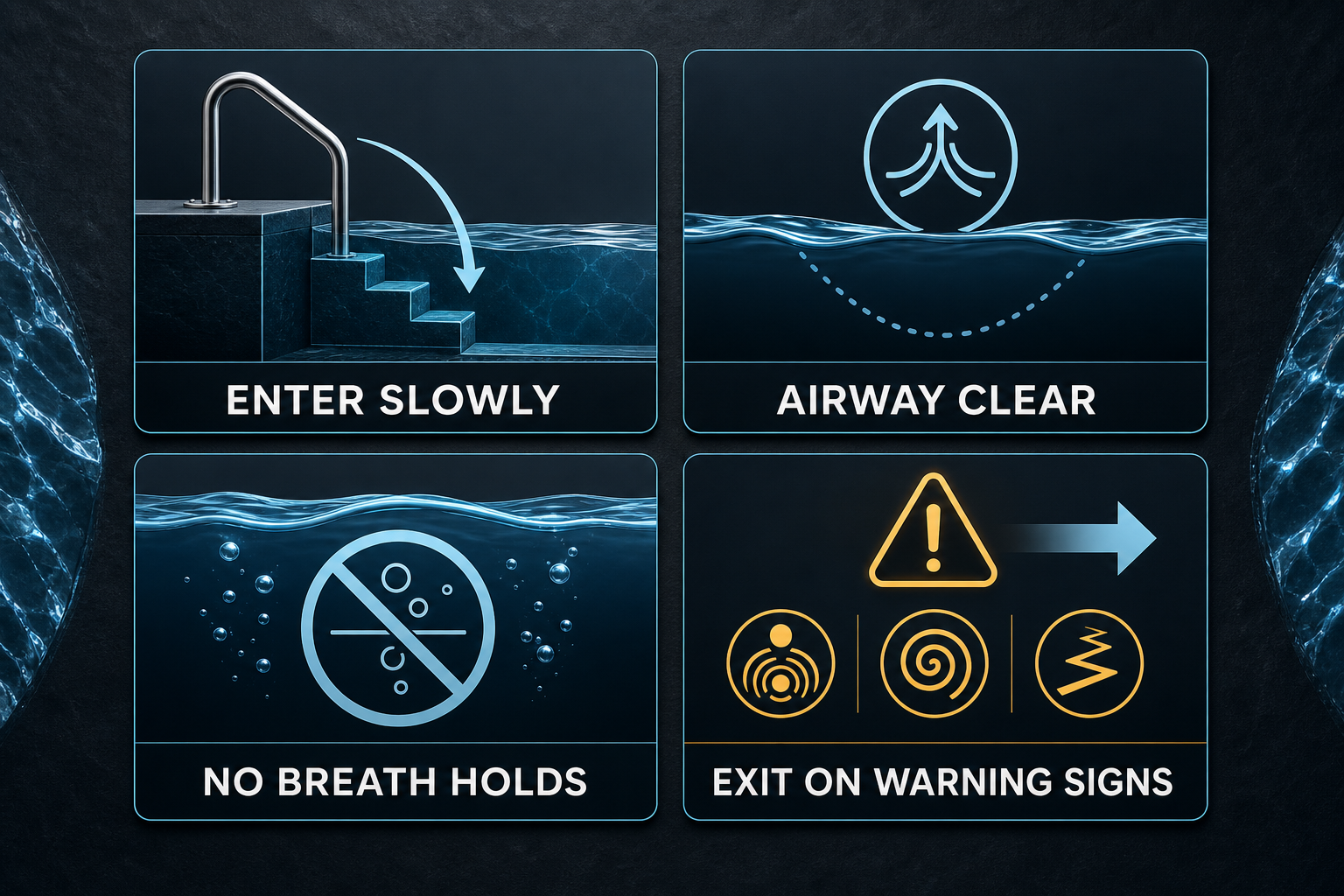
Avoid hyperventilation and long breath holds before or during immersion. If you cannot control your breathing, leave the water instead of trying to complete a target time.
Where the Vagus Nerve Fits In
Facial Cooling Can Trigger the Diving Response
The mammalian diving response is most closely associated with facial cooling and breath-holding. Sensory signals from the face travel mainly through the trigeminal nerve to the brainstem, which can increase vagal influence on the heart and slow heart rate while sympathetic activity constricts blood vessels in the limbs.
This means the response is not simply "parasympathetic calm." Vagal slowing of the heart and sympathetic vasoconstriction can occur at the same time, especially during facial immersion and apnea.
A Body-Only Plunge Is Not the Same Reflex
Entering cold water with your head above the surface can still alter autonomic activity through cold receptors, hydrostatic pressure, breathing changes, and cardiovascular adjustments. However, it should not automatically be described as a full diving reflex or direct stimulation of vagal fibers in the neck.
The vagus nerve lies deep within the neck. Cold water touching the skin does not directly reach or electrically stimulate it in the way a medical vagus nerve stimulation device does.
The Recovery Phase May Feel Calmer
After the initial cold shock settles—or after you leave the water—heart rate and breathing may move back toward baseline. Some studies report short-term changes in HRV consistent with parasympathetic reactivation, particularly when cold-water immersion is used after exercise.
That acute response does not prove that every cold plunge raises long-term vagal tone. It also does not show that cold exposure permanently "rewires" the autonomic nervous system.
What the Research Can and Cannot Show
HRV Is Useful but Limited
HRV can help researchers observe changes in cardiac autonomic regulation. A higher value in one HRV measure after immersion may indicate increased parasympathetic influence, but it is not a direct measurement of the vagus nerve and does not by itself prove better health or stress resilience.
Results also depend on when HRV is measured. A reading during the first minute of cold exposure can look very different from one taken during post-exercise recovery or later that evening.
Stress and Sleep Evidence Is Still Developing
A 2023 systematic review found time-dependent changes in stress and some reported improvements in sleep quality and quality of life after cold-water immersion. The authors also noted a limited evidence base, differences between study protocols, and no consistent improvement in mood.
It is therefore reasonable to say that some people feel calmer after a plunge. It is not reasonable to promise lower cortisol, deeper sleep, improved digestion, or relief from anxiety because the vagus nerve has been "fully activated."
Long-Term Vagal Training Is Not Established
Repeated cold exposure may help people become more familiar with the discomfort and control their breathing more effectively. That adaptation should not be described as permanent neurological rewiring or as a guaranteed rise in baseline HRV.
A recent clinical explanation from Houston Methodist makes the same distinction: everyday practices may modestly modulate nervous system activity, but this is different from changing how a nerve functions over the long term.
A Safer Way to Try a Cold Plunge
Start With a Manageable Temperature
There is no scientifically established “best temperature” for vagus nerve stimulation. Beginners should use water that feels cold but still allows controlled breathing, rather than choosing near-freezing water to chase a stronger response.
Short exposure is enough to learn how your body reacts. End the session if you cannot regain steady breathing, and increase time or reduce temperature only gradually across later sessions.
Enter Slowly and Keep Your Airway Clear
Use a stable step or handhold and enter without jumping. Keep your face above the surface while you assess your breathing, balance, and alertness.
Do not perform prolonged breath holds, deliberate hyperventilation, or underwater challenges. Facial immersion can produce a stronger cardiac reflex and should not be used casually as a way to “maximize” vagus nerve activation.
Know When to Stop
Leave the water immediately if you develop chest pain, severe shortness of breath, confusion, faintness, loss of coordination, or uncontrollable shivering. Warm up gradually after leaving rather than using sudden extreme heat.
People with heart disease, rhythm disorders, uncontrolled high blood pressure, a history of fainting or seizures, or other significant medical conditions should ask a qualified clinician before cold-water immersion. Supervision is especially important for first-time users.
For Gyms and Recovery Facilities
A commercial cold plunge should prioritize repeatable temperatures, clean water, safe entry, staff procedures, and visible emergency rules. Colder water is not automatically more effective, and a powerful chiller does not make an aggressive protocol appropriate for every user.
Water circulation and sanitation support consistent operation and hygiene; they do not create or guarantee a vagal response. Facilities should separate equipment benefits from medical claims and provide a conservative first-session option.
Cold water can influence vagally mediated heart activity, particularly when it cools the face. Full-body immersion also changes autonomic activity, but the first response is often sympathetic cold shock rather than immediate parasympathetic calm.
A cold shower activates skin cold receptors and may change breathing and autonomic activity. Evidence does not establish that a shower directly stimulates the vagus nerve or produces the same response as facial immersion in cold water.
Not as a routine way to intensify a plunge. Facial cooling combined with breath-holding can produce a stronger diving response, and the simultaneous sympathetic and parasympathetic signals may increase cardiac risk in susceptible people.
starting cooling.Some studies report short-term HRV changes after cold-water immersion, especially during recovery from exercise. A temporary change does not prove a lasting improvement in vagal tone, and wearable HRV readings should not be treated as a diagnosis.
A cold plunge can create a strong autonomic challenge followed by a calmer recovery period, but “vagus nerve stimulation” is too simple a label for the full response. The safest goal is not to force a neurological effect; it is to use manageable cold exposure while maintaining breathing control, awareness, and a clear exit plan.
Related Articles
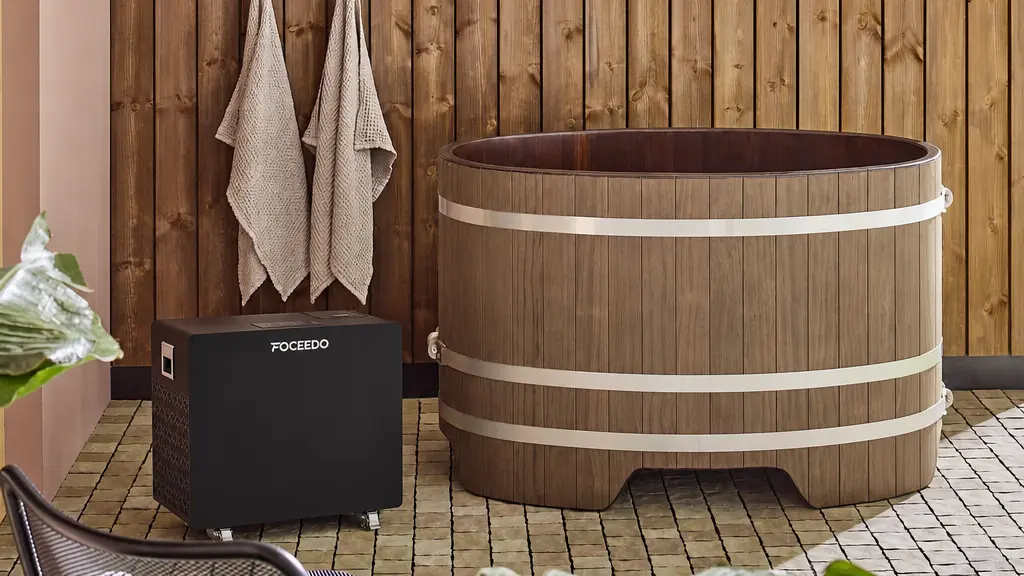
Blumenberg Tubs Powered by FOCEEDO Chillers
FOCEEDO partners with century-old German tub maker Blumenberg. Discover why they chose our chillers as the engine for their premium cold plunges.
FOCEEDO Partners with Nordu Spa in Türkiye
FOCEEDO and Nordu Spa begin a distribution partnership in Türkiye, adding FOCEEDO ice bath chillers to Nordu Spa’s cold-plunge range.

Meet FOCEEDO at AusFitness Industry 2026
Meet FOCEEDO at Stand 116 during AusFitness Industry, 11–12 September 2026 at ICC Sydney, and discuss cold recovery and partnerships.