










Indice
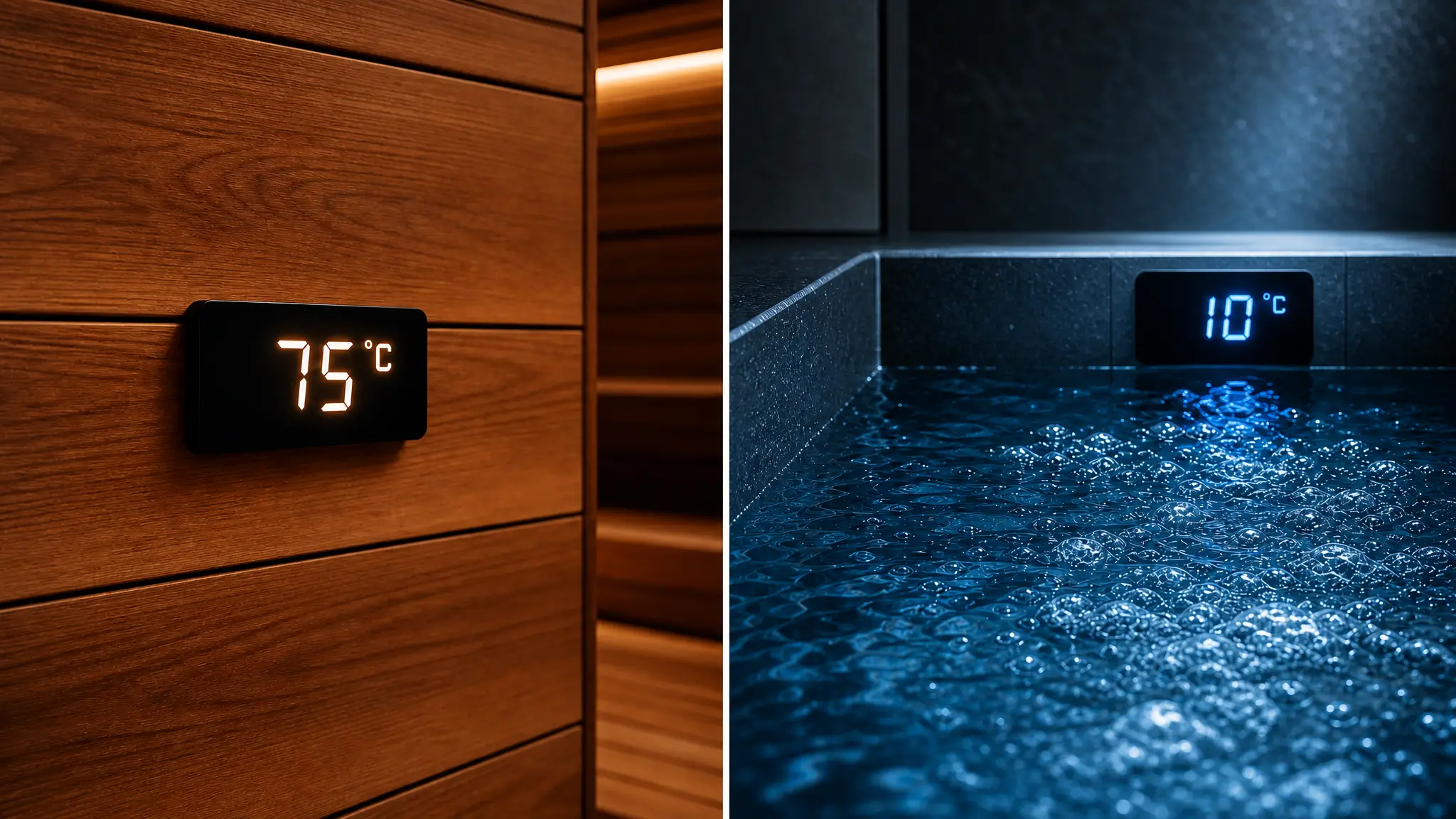
Sintesi rapida
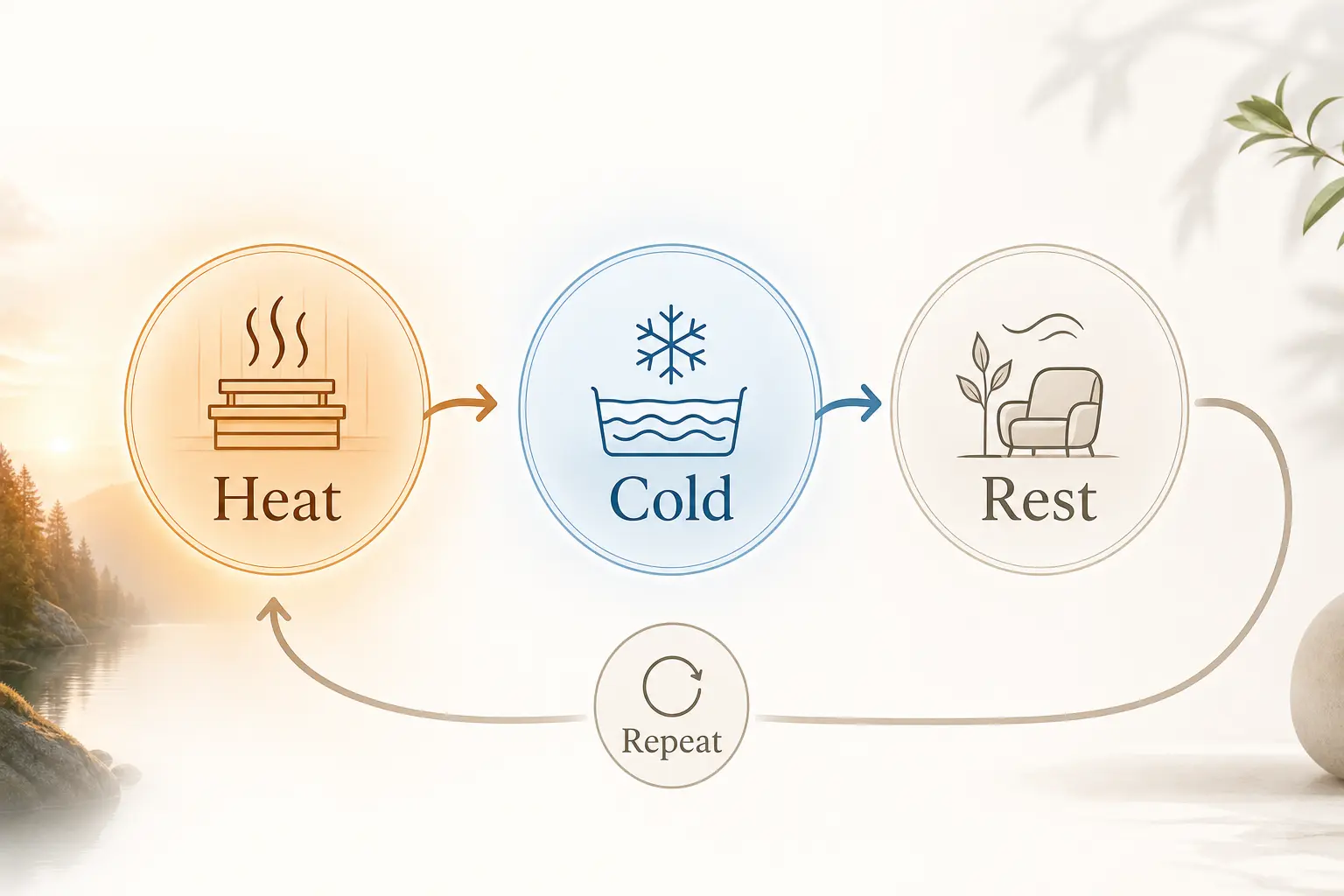
Concetto fondamentale: La terapia del contrasto consiste nell'alternare ambienti caldi e freddi per favorire il recupero.
Il meccanismo: Il calore provoca la vasodilatazione (dilatazione dei vasi sanguigni), mentre il freddo provoca la vasocostrizione (restringimento dei vasi sanguigni), creando un effetto “pompante”.
Vantaggi principali: Può favorire il recupero muscolare locale, ridurre la sensazione di indolenzimento e infondere una sensazione di rilassamento.
Regola generale: Prima di iniziare, consultare sempre un medico, soprattutto se si soffre di patologie cardiovascolari.
Che cos’è la terapia del contrasto?
La terapia del contrasto è un protocollo di recupero che alterna intenzionalmente l’esposizione al caldo e al freddo. Sebbene il riposo consenta naturalmente al corpo di recuperare, le tecniche di recupero attivo come questa mirano a stimolare delicatamente la circolazione e le risposte fisiologiche.
La fase di riscaldamento
Entrare in un ambiente caldo (come una sauna o una vasca idromassaggio) fa aumentare la temperatura corporea interna. Il calore provoca una vasodilatazione, ovvero l’espansione dei vasi sanguigni per aiutare a raffreddare il corpo. Ciò aumenta l’afflusso di sangue ai muscoli e alla superficie cutanea.
La fase fredda
Passare dal caldo a un bagno freddo provoca un cambiamento immediato. L’esposizione al freddo innesca una vasocostrizione, causando un rapido restringimento dei vasi sanguigni. Ciò spinge il sangue lontano dalle estremità e verso il centro del corpo per proteggere gli organi vitali.
Principali benefici della terapia del caldo e del freddo
Il ciclo ripetuto di caldo e freddo crea una sorta di “pompa” fisiologica su cui fanno affidamento molti atleti e appassionati di benessere. Pur non essendo una cura miracolosa per gli infortuni, offre numerosi benefici concreti per il recupero.
Recupero muscolare locale
L’alternanza tra vasodilatazione e vasocostrizione agisce come una pompa meccanica per il sistema circolatorio. Si ritiene che questa azione di lavaggio contribuisca a eliminare i prodotti di scarto metabolici (come l’acido lattico) dai muscoli affaticati in modo più efficiente rispetto al riposo passivo.
Migliore recupero complessivo
Oltre agli effetti muscolari localizzati, la terapia di contrasto può rinvigorire l’intero sistema nervoso. Molti utenti riferiscono di sentirsi riposati, vigili e di soffrire meno di indolenzimento muscolare a insorgenza ritardata (DOMS) nei giorni successivi a un’attività fisica intensa.
Sollievo temporaneo dai dolori
La combinazione delle proprietà lenitive del calore e degli effetti anestetizzanti del freddo può alleviare temporaneamente lievi rigidità articolari e dolori muscolari, offrendo un modo naturale per gestire il disagio fisico.
Una sensazione di relax
Sebbene il processo in sé possa risultare stressante, il senso di liberazione che segue la terapia porta spesso a un profondo stato di rilassamento parasimpatico. Il drastico cambiamento della temperatura corporea può inoltre favorire una migliore qualità del sonno nelle ore serali.
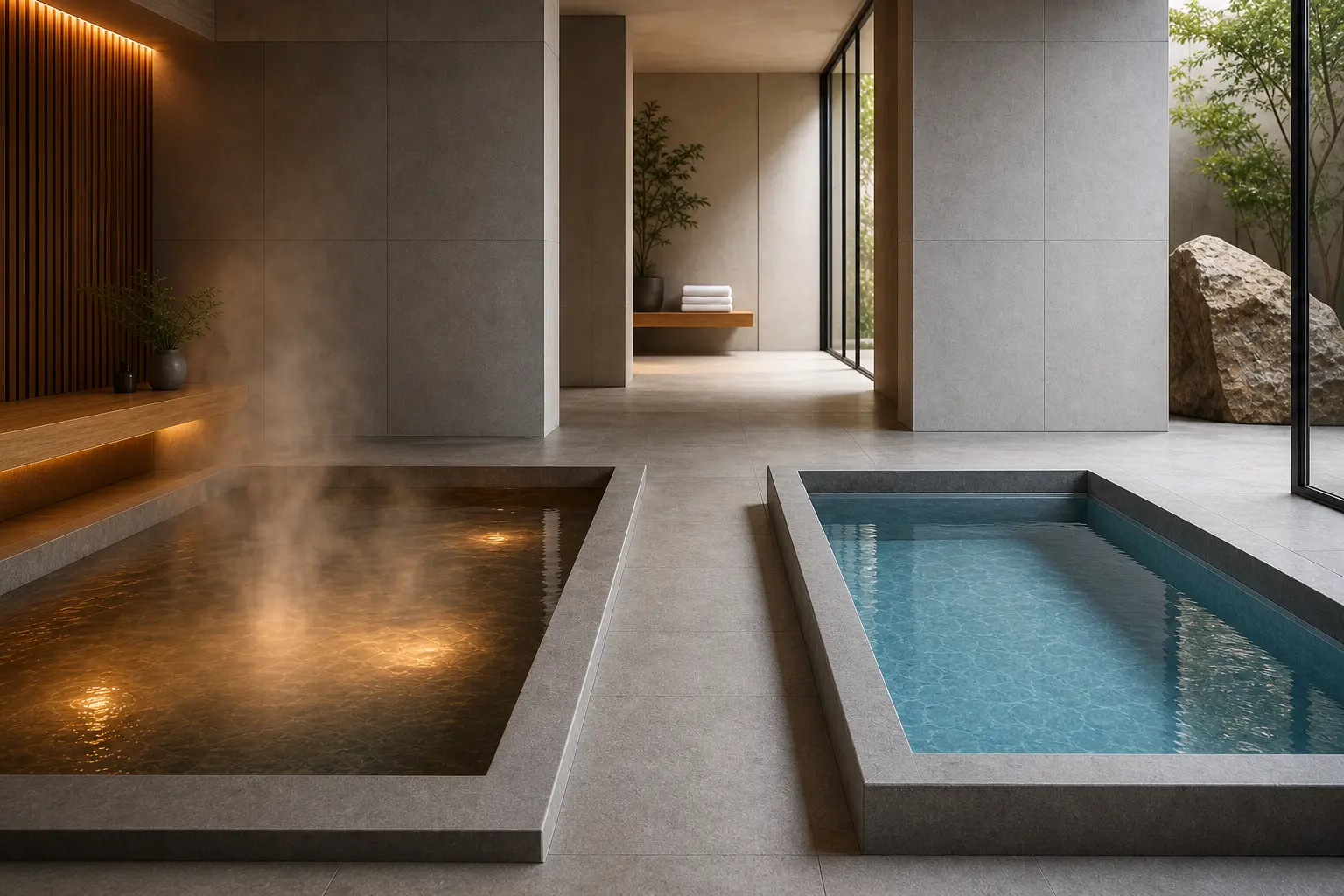
Da quale parte si dovrebbe iniziare?
L’ordine in cui ci si espone al caldo e al freddo dipende dagli obiettivi che ci si prefigge. Per un recupero standard, la maggior parte dei protocolli segue una sequenza specifica per massimizzare l’effetto di stimolazione circolatoria.
Inizia con il calore
Iniziare con il calore riscalda il corpo, rilassa i muscoli tesi e dilata i vasi sanguigni. Prepara il sistema cardiovascolare allo shock termico causato dal freddo. Iniziare con il freddo quando si è ancora rigidi può talvolta provocare crampi.
Concludere con il freddo
Si consiglia vivamente di concludere l'allenamento con un bagno freddo. Terminare con la vasocostrizione aiuta a ridurre il gonfiore e l'infiammazione localizzati. Ti fa sentire rinvigorito e permette al tuo corpo di riscaldarsi naturalmente, bruciando calorie in più.
Caldo contro freddo: una guida rapida
| Meccanismo | La fase di riscaldamento | La fase fredda |
|---|---|---|
| Azione vascolare | Vasodilatazione (dilatazione dei vasi sanguigni) | Vasocostrizione (restringimento) |
| Effetto primario | Rilassa i muscoli, migliora la circolazione | Riduce l'infiammazione acuta |
| Sistema nervoso | Lenitivo, favorisce il riposo | Rinvigorente, stimola la prontezza mentale |
| Frequenza cardiaca | Aumenta gradualmente | Inizialmente sale, poi scende |
Un programma per principianti
Se è la prima volta che provi la terapia del contrasto, non passare subito a temperature estreme. Segui un programma graduale per consentire al tuo corpo di adattarsi allo stress termico.
Assicurati di non avere problemi cardiovascolari preesistenti. Gli sbalzi repentini della pressione arteriosa mettono a dura prova il cuore. In caso di dubbi, chiedi sempre il parere di un medico.
Trascorri dai 10 ai 15 minuti in sauna o in un bagno caldo. L'obiettivo è quello di stimolare una leggera sudorazione e aumentare delicatamente la temperatura corporea interna, non di arrivare all'esaurimento.
Non passare direttamente dalla sauna a un bagno di ghiaccio. Prenditi dai 30 ai 60 secondi per respirare l'aria ambiente, stabilizzare leggermente la frequenza cardiaca e prepararti mentalmente allo shock.
Immergetevi in acqua fredda solo per 1-3 minuti. Concentratevi su espirazioni lente e controllate per gestire il riflesso di inspirazione improvvisa. Uscite immediatamente dall’acqua se iniziate a tremare in modo incontrollabile.
Ripeti il ciclo 2-3 volte, se ti senti a tuo agio, terminando sempre con l’acqua fredda. Al termine, asciugati, indossa indumenti caldi e bevi molta acqua per reintegrare i liquidi persi durante la fase di riscaldamento.
Con quale frequenza va usato?
Per la maggior parte delle persone attive, ricorrere alla terapia del contrasto 2 o 3 volte alla settimana è sufficiente per ottenere benefici evidenti in termini di recupero. L'uso quotidiano è generalmente sicuro per le persone in buona salute, ma è fondamentale ascoltare il proprio corpo ed evitare di sovraccaricare il sistema nervoso.
Principali rischi per la sicurezza
La terapia con mezzo di contrasto comporta un carico significativo e improvviso sul sistema cardiovascolare. È assolutamente controindicata per le donne in gravidanza, i bambini e i soggetti con anamnesi di cardiopatie, ipertensione non controllata o neuropatia grave.
1. Vertigini improvvise o sensazione di stordimento.
2. Dolore al petto o grave difficoltà respiratoria.
3. Intorpidimento o formicolio alle estremità.
4. Brividi violenti e incontrollabili.
5. Confusione o perdita di coordinazione.
Pianifica una configurazione affidabile
Sia che si tratti di allestire una postazione a casa propria o di recarsi presso una struttura commerciale, è necessario rispettare determinati standard per garantire che la terapia sia efficace e igienica.
Mantenere le temperature stabili
Il contrasto si basa su condizioni termiche stabili. Una vasca idromassaggio che perde calore o una vasca di immersione che si riscalda riducono la risposta fisiologica. Assicurarsi che le attrezzature siano dotate di sistemi di riscaldamento e raffreddamento affidabili.
Gestione della qualità dell'acqua
Sudare a causa del caldo ed entrare immediatamente in una vasca di acqua fredda può compromettere rapidamente la salubrità dell'acqua. È indispensabile seguire protocolli adeguati di filtrazione, trattamento con ozono e sanificazione per prevenire la proliferazione batterica e le infezioni cutanee.
Promuovere un funzionamento sicuro
Assicurarsi che la pavimentazione tra le postazioni calde e quelle fredde sia antiscivolo. Predisporre corrimano robusti per garantire l’entrata e l’uscita in sicurezza, poiché gli ambienti bagnati e la sensazione di vertigini costituiscono una combinazione pericolosa.
Le persone affette da malattie cardiache, ipertensione non controllata, aritmie cardiache, disturbi circolatori o con una storia di svenimenti dovrebbero prima consultare un medico. La terapia con mezzo di contrasto dovrebbe inoltre essere evitata dopo il consumo di alcol o in caso di malattia acuta.
La terapia del caldo e del freddo può rappresentare una parte utile di un programma di recupero o di benessere, in particolare quando l’obiettivo è ottenere un sollievo a breve termine dal dolore muscolare o un passaggio controllato dallo stato di rilassamento a quello di vigilanza. Temperature moderate e una sequenza personalizzata in base alle esigenze dell’utente possono garantire un’esperienza confortevole e ripetibile.
L'approccio più sicuro consiste nell'iniziare con moderazione, effettuare ogni transizione lentamente e scegliere l'ordine in base al proprio obiettivo. Acqua pulita, un controllo stabile della temperatura e un ambiente ben gestito sono più importanti che sottoporre il proprio corpo a sessioni il più lunghe o il più fredde possibile.
Articoli correlati
Blumenberg Tubs Powered by FOCEEDO Chillers
FOCEEDO partners with century-old German tub maker Blumenberg. Discover why they chose our chillers as the engine for their premium cold plunges.
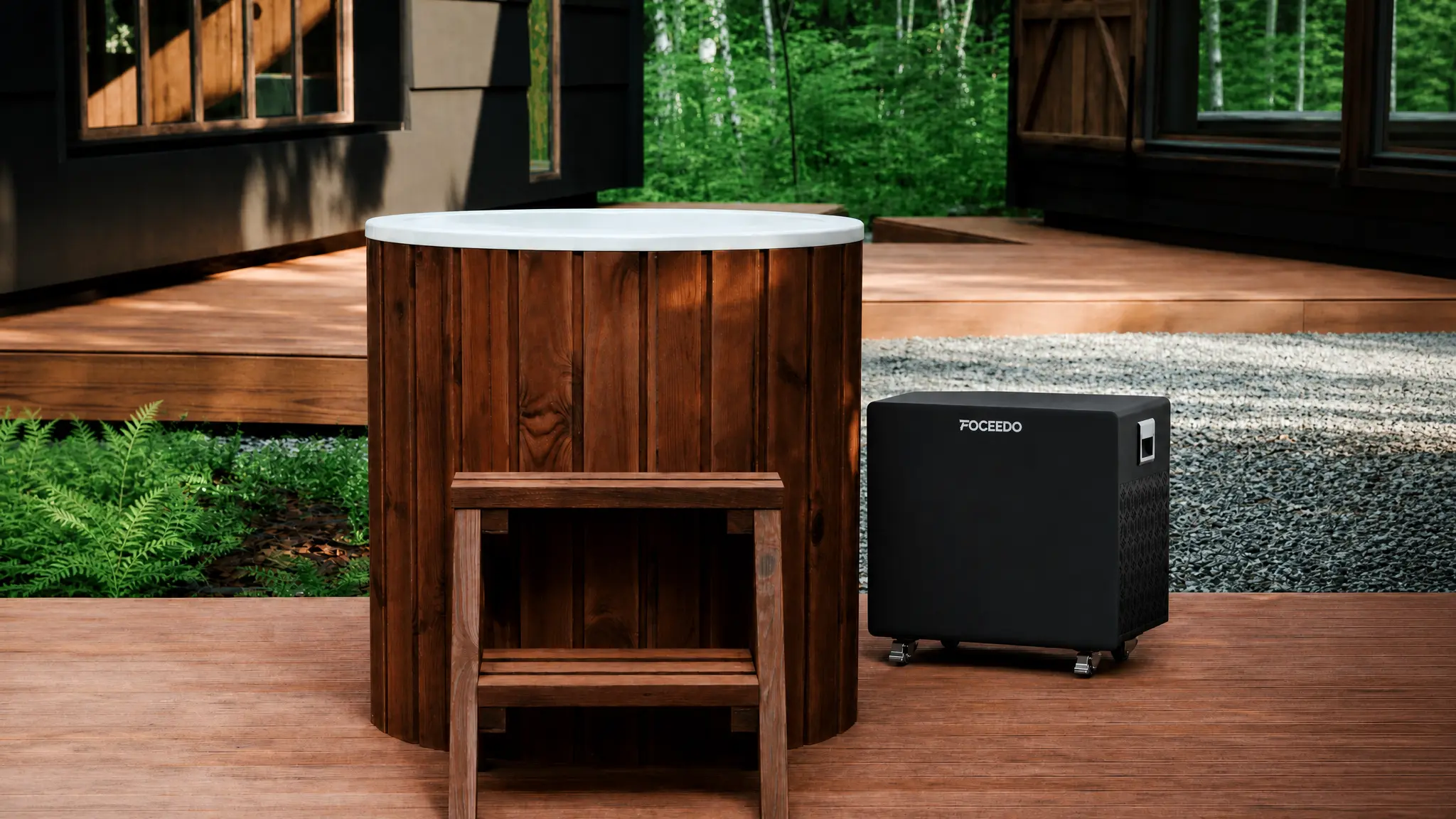
FOCEEDO stringe una partnership con Nordu Spa in Turchia
FOCEEDO e Nordu Spa avviano una partnership di distribuzione in Turchia, integrando i refrigeratori per bagni di ghiaccio FOCEEDO nella gamma di vasche di immersione fredda di Nordu Spa.

Vieni a conoscere FOCEEDO all’AusFitness Industry 2026
Venite a conoscere FOCEEDO allo stand 116 in occasione dell’AusFitness Industry, l’11 e il 12 settembre 2026 all’ICC di Sydney, per discutere di recupero dal freddo e di collaborazioni.