









Table of Contents
Quick Summary
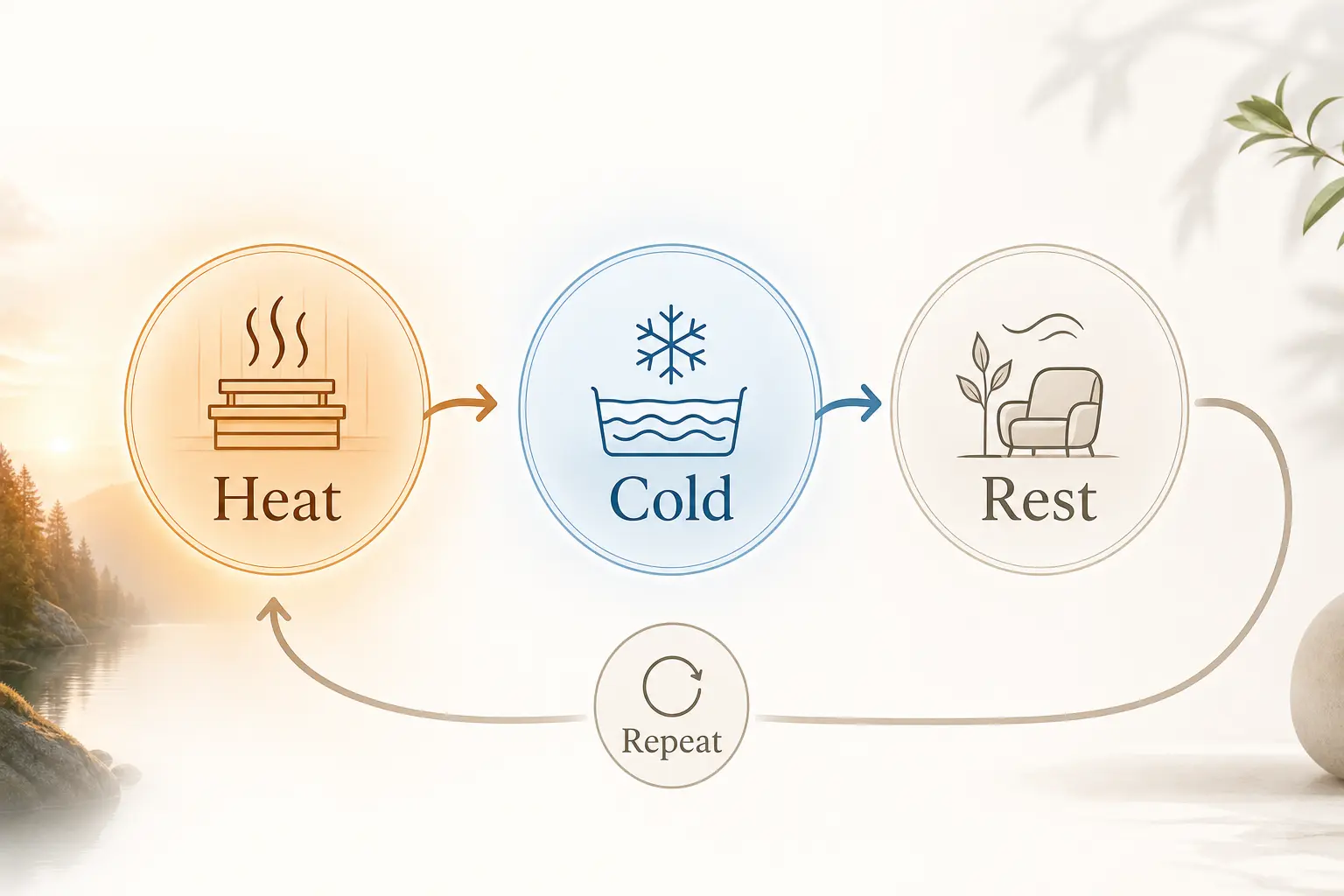
Core Concept: Contrast therapy involves alternating between hot and cold environments to promote recovery.
The Mechanism: Heat causes vasodilation (expanding blood vessels), while cold causes vasoconstriction (narrowing blood vessels), creating a “pumping” effect.
Key Benefits: Can aid in local muscle recovery, reduce perceived soreness, and provide a sense of relaxation.
General Rule: Always consult a healthcare provider before starting, especially if you have cardiovascular conditions.
What Is Contrast Therapy?
Contrast therapy is a recovery protocol that intentionally alternates hot and cold exposures. While resting naturally allows the body to recover, active recovery techniques like this aim to gently stimulate circulation and physiological responses.
The Heat Phase
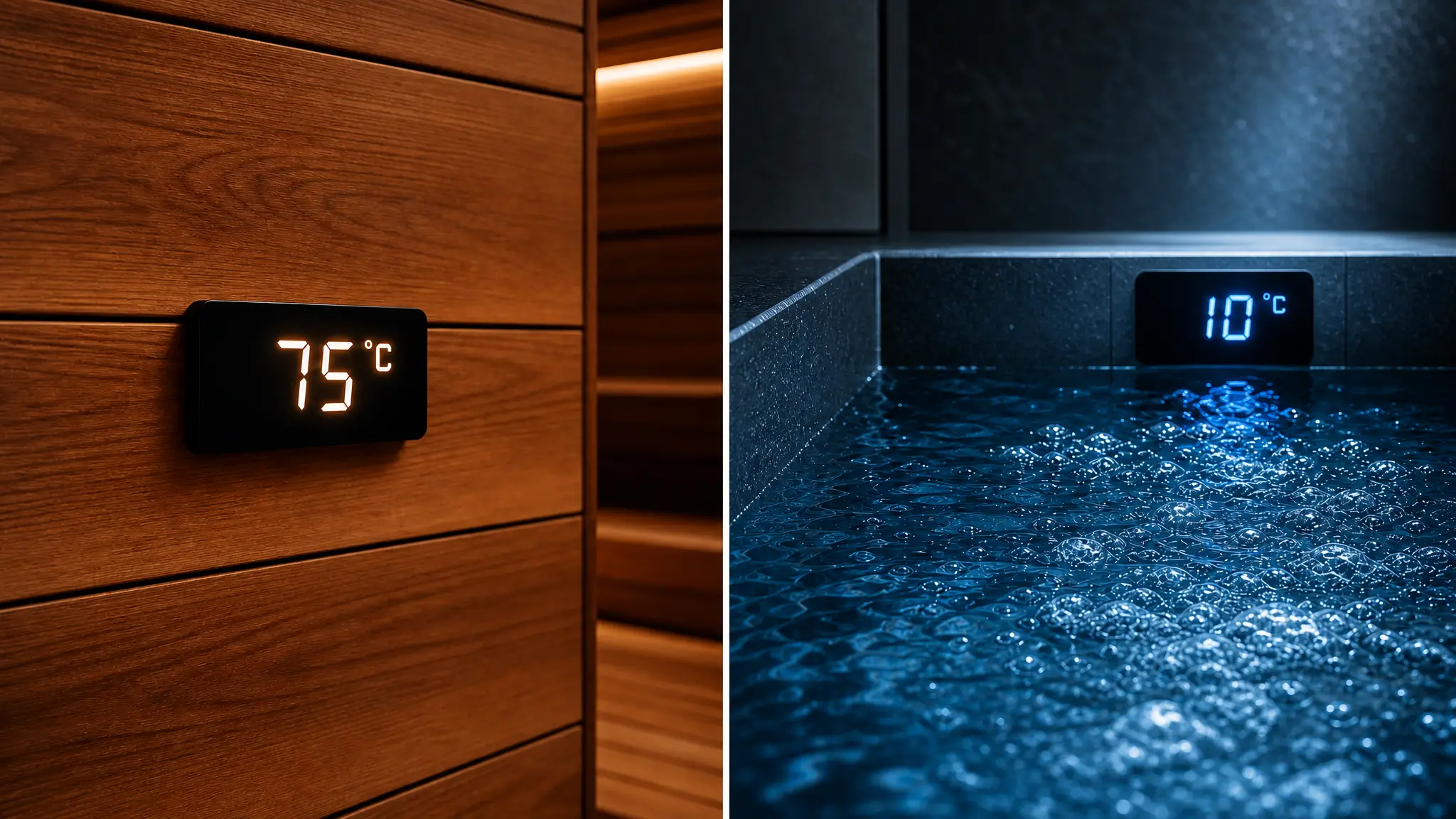
Entering a hot environment (like a sauna or hot tub) elevates core body temperature. Heat leads to vasodilation, where blood vessels expand to help cool the body. This increases blood flow to muscles and the skin’s surface.
The Cold Phase
Following the heat with a cold plunge forces an immediate shift. Cold exposure triggers vasoconstriction, causing blood vessels to rapidly narrow. This forces blood away from the extremities and toward the core to protect vital organs.
Main Benefits of Hot and Cold Therapy
The repeated cycle of hot and cold creates a physiological “pump” that many athletes and wellness enthusiasts rely on. While it is not a magic cure for injuries, it offers several tangible benefits for recovery.
Local Muscle Recovery
Alternating between vasodilation and vasoconstriction acts like a mechanical pump for your circulatory system. This flushing action is believed to help clear metabolic waste products (like lactic acid) from fatigued muscles more efficiently than passive resting.
Better Overall Recovery
Beyond localized muscle effects, contrast therapy can invigorate the entire nervous system. Many users report feeling refreshed, alert, and experiencing less delayed onset muscle soreness (DOMS) in the days following intense physical activity.
Temporary Relief from Aches
The combination of heat’s soothing properties and cold’s numbing effects can temporarily alleviate minor joint stiffness and muscle aches, providing a natural way to manage physical discomfort.
A Sense of Relaxation
Although the process itself can feel stressful, the post-therapy release often leads to a profound sense of parasympathetic relaxation. The drastic shift in body temperature can also promote better sleep quality later in the evening.
Which Should Come First?
The order in which you expose yourself to hot and cold matters, depending on your goals. For standard recovery, most protocols follow a specific sequence to maximize the circulatory pump effect.
Start with Heat
Beginning with heat warms up the body, relaxes tense muscles, and opens up blood vessels. It prepares the cardiovascular system for the shock of the cold. Starting cold when stiff can sometimes lead to cramping.
End with Cold
Finishing on cold is highly recommended. Ending with vasoconstriction helps push out localized swelling and inflammation. It leaves you feeling invigorated and allows your body to naturally warm itself back up, burning additional calories.
Heat vs. Cold: A Quick Guide
| Mechanism | The Heat Phase | The Cold Phase |
|---|---|---|
| Vascular Action | Vasodilation (Expands) | Vasoconstriction (Narrows) |
| Primary Effect | Relaxes muscles, increases flow | Reduces acute inflammation |
| Nervous System | Soothing, promotes rest | Invigorating, triggers alertness |
| Heart Rate | Gradually increases | Spikes initially, then lowers |
A Beginner Routine
If you are new to contrast therapy, do not rush into extreme temperatures. Follow a conservative routine to let your body adapt to the thermal stress.
Ensure you have no underlying cardiovascular issues. The rapid shifts in blood pressure are demanding on the heart. Always get clearance from a doctor if unsure.
Spend 10 to 15 minutes in a sauna or hot bath. The goal is to induce a light sweat and elevate your core temperature gently, not to reach exhaustion.
Do not sprint from the sauna directly into an ice bath. Take 30 to 60 seconds to breathe ambient air, stabilize your heart rate slightly, and mentally prepare for the shock.
Submerge in cold water for just 1 to 3 minutes. Focus on slow, controlled exhales to manage the gasp reflex. Exit immediately if you begin shivering uncontrollably.
Repeat the cycle 2-3 times if comfortable, always ending on cold. Afterward, dry off, put on warm clothing, and drink plenty of water to replace fluids lost during the heat phase.
How Often Should You Use It?
For most active individuals, utilizing contrast therapy 2 to 3 times a week is sufficient for noticeable recovery benefits. Daily use is generally safe for healthy individuals, but it is crucial to listen to your body and avoid overtaxing your nervous system.
Main Safety Risks
Contrast therapy places a significant, sudden load on the cardiovascular system. It is absolutely contraindicated for pregnant women, children, and individuals with a history of heart disease, uncontrolled hypertension, or severe neuropathy.
1. Sudden dizziness or lightheadedness.
2. Chest pain or severe shortness of breath.
3. Numbness or tingling in extremities.
4. Uncontrollable, violent shivering.
5. Confusion or loss of coordination.
Plan a Reliable Setup
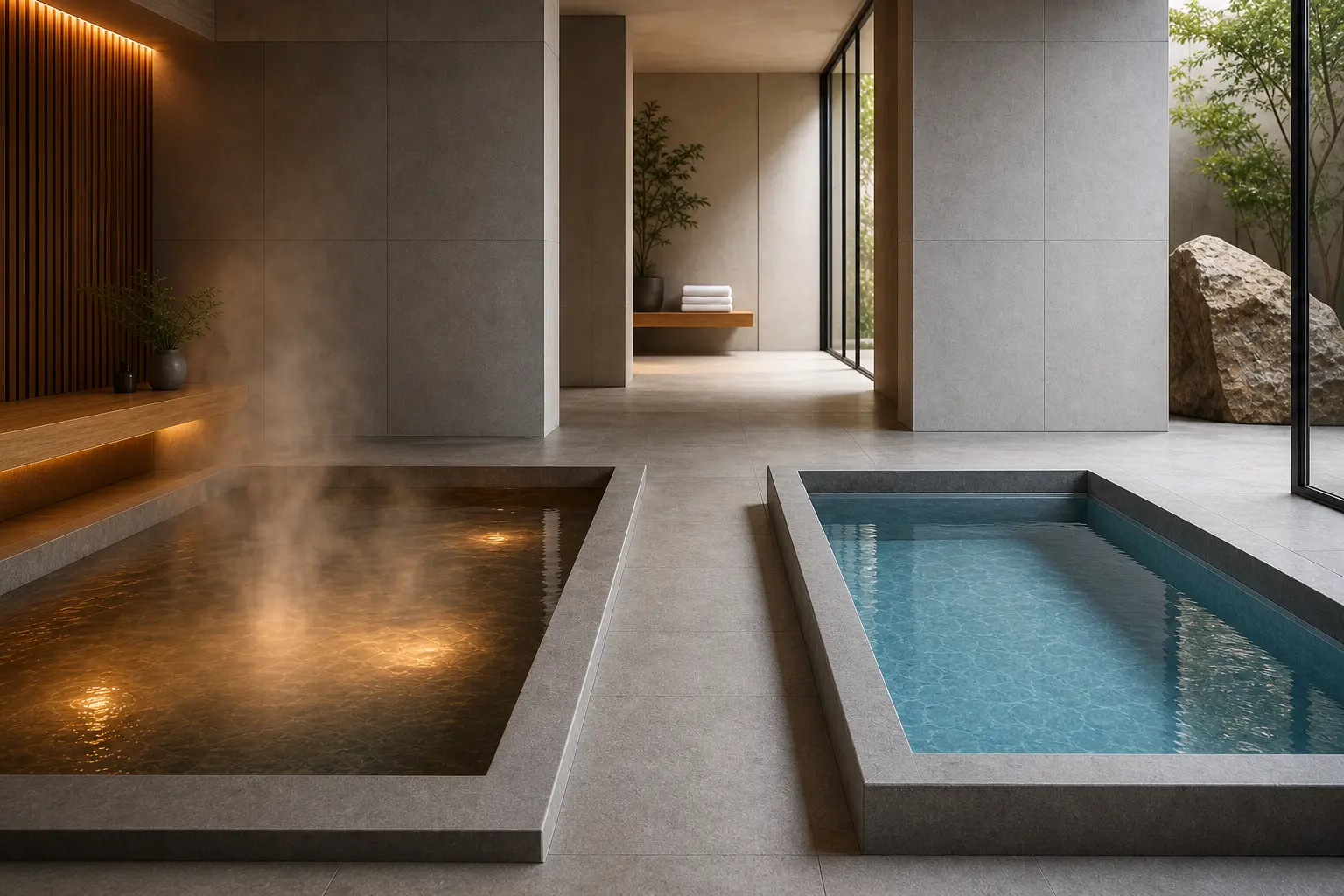
Whether building a setup at home or visiting a commercial facility, certain standards must be met to ensure the therapy is both effective and hygienic.
Keep Temperatures Stable
The contrast relies on stable thermal environments. A hot tub losing heat or a plunge pool warming up diminishes the physiological response. Ensure equipment has reliable heating and chilling units.
Manage Water Quality
Sweating in heat and immediately entering a cold plunge can quickly degrade water sanitation. Proper filtration, ozone, and sanitization protocols are mandatory to prevent bacterial growth and skin infections.
Support Safe Operation
Ensure slip-resistant flooring between the hot and cold stations. Provide sturdy handrails for safe entry and exit, as wet environments and lightheadedness are a dangerous combination.
People with heart disease, uncontrolled high blood pressure, irregular heart rhythms, circulation disorders, or a history of fainting should seek medical guidance first. Contrast therapy should also be avoided after alcohol use or during acute illness.
Hot and cold therapy can be a useful part of a recovery or wellness routine, particularly when the goal is short-term relief from muscle soreness or a controlled change between relaxation and alertness. Moderate temperatures and a sequence matched to the user can create a comfortable, repeatable experience.
The safest approach is to begin moderately, make each transition slowly, and choose the order according to your goal. Clean water, stable temperature control, and a well-managed environment matter more than forcing your body through the longest or coldest possible session.
Related Articles
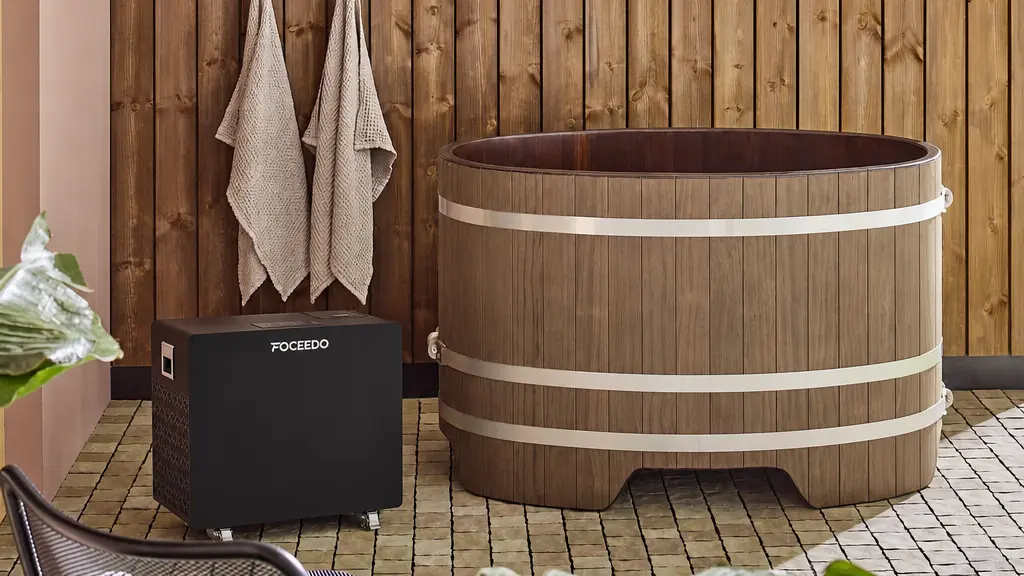
Blumenberg Tubs Powered by FOCEEDO Chillers
FOCEEDO partners with century-old German tub maker Blumenberg. Discover why they chose our chillers as the engine for their premium cold plunges.
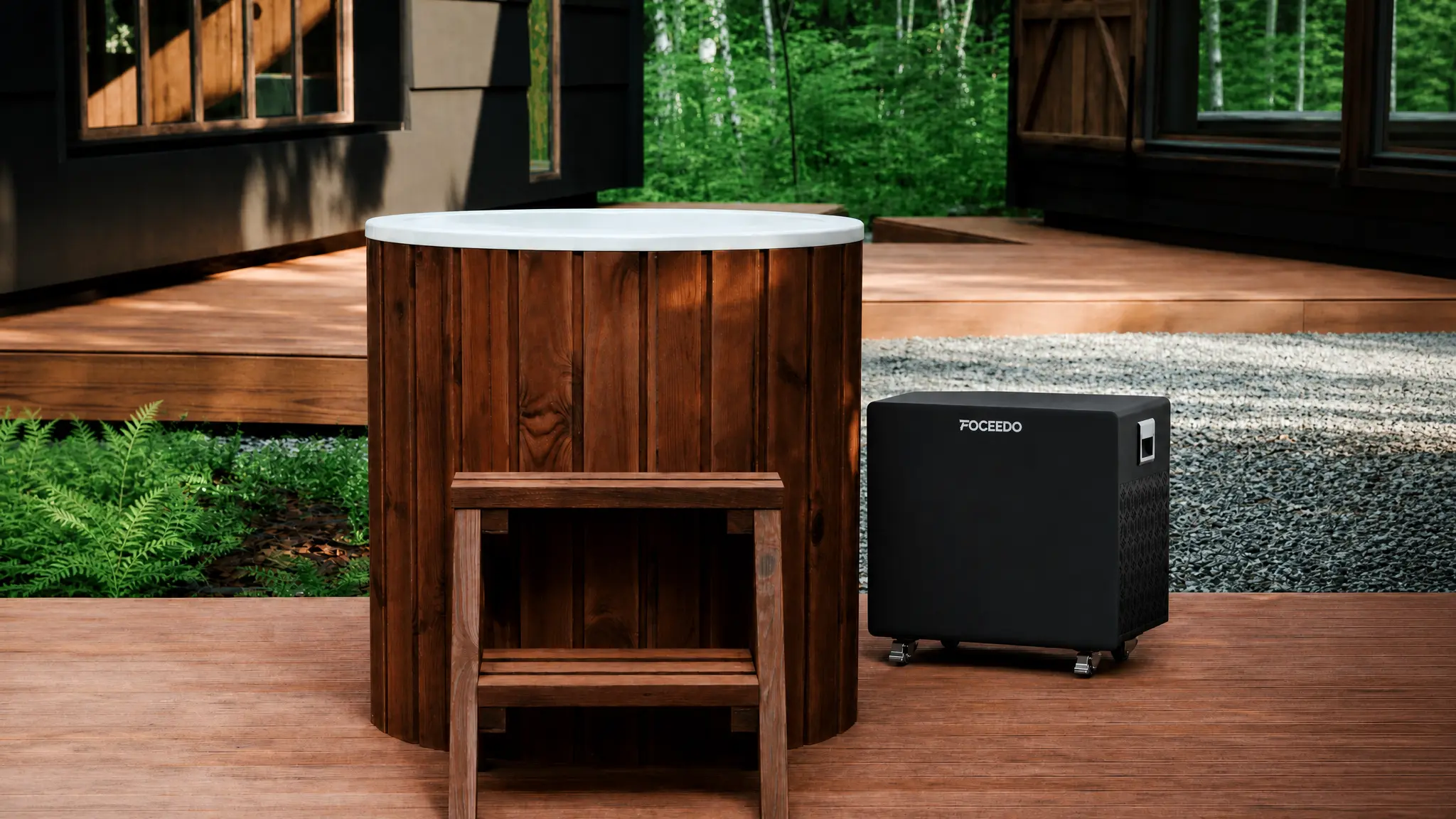
FOCEEDO Partners with Nordu Spa in Türkiye
FOCEEDO and Nordu Spa begin a distribution partnership in Türkiye, adding FOCEEDO ice bath chillers to Nordu Spa’s cold-plunge range.

Meet FOCEEDO at AusFitness Industry 2026
Meet FOCEEDO at Stand 116 during AusFitness Industry, 11–12 September 2026 at ICC Sydney, and discuss cold recovery and partnerships.