Table of Contents
If you have ever watched someone sit completely still in freezing water, looking calm and breathing slowly, you have witnessed a profound biological miracle. To an outside observer, it looks like magic. In reality, it is a masterclass in autonomic nervous system regulation.
But what exactly do ice baths do to your body’s internal wiring? To understand the deep sense of calm, focus, and energy that follows a cold plunge, we have to look past the shivering skin and examine the complex electrical signals traveling between your brain and your heart.
What Do Ice Baths Do to Your Body?
When your body is suddenly submerged in cold water, your skin’s cold receptors send an immediate, high-velocity electrical warning to your brain. This triggers an instant, involuntary survival response.
The Autonomic Nervous System as Your Oil and Brake
Your autonomic nervous system is divided into two primary branches: the sympathetic nervous system (your body’s fight-or-flight “gas pedal”) and the parasympathetic nervous system (your rest-and-digest “brake pedal”). Under normal circumstances, these branches operate in a gentle, balanced oscillation.
Submerging yourself in cold water acts as an acute, controlled stressor that forces both systems to activate simultaneously. This unique dual-activation is a powerful workout for your nervous system, teaching your body how to maintain calm and mental clarity while under extreme physical pressure.
The Three Phases of Cold Shock Adaptation
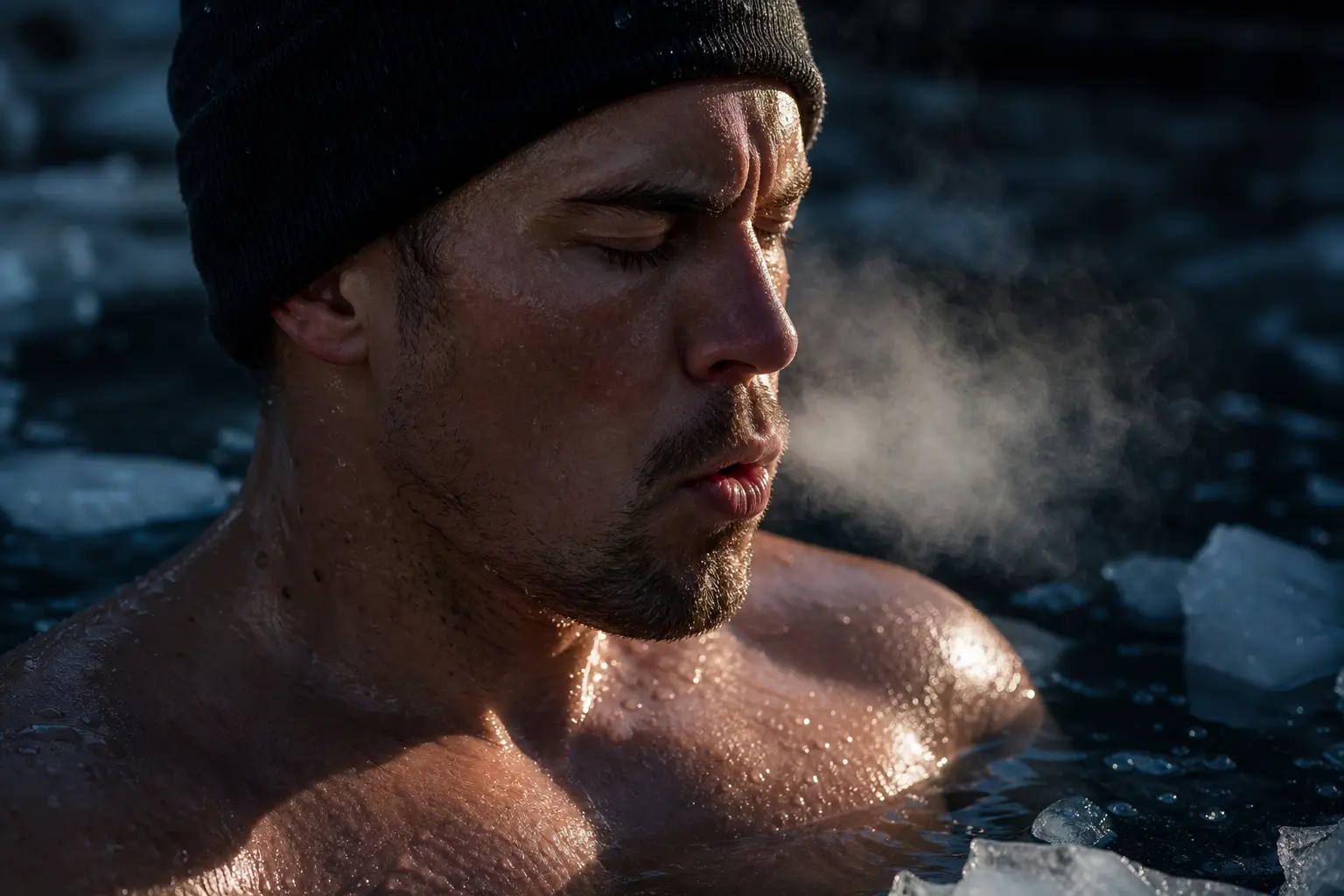
To fully appreciate what ice baths do to your internal physiology, it helps to view your session as a journey through three distinct neurological phases. Each phase trains a different part of your brain and nervous system.
0 ~ 30s
The Sympathetic Shock
The second your skin touches freezing water, your sympathetic nervous system slams on the gas pedal. This is the Cold Shock Response. It triggers an immediate release of adrenaline and norepinephrine, causing your blood vessels to constrict (vasoconstriction), your heart rate to spike, and your lungs to gasp for air.
This is the peak danger zone where your survival instincts are screaming at you to climb out of the tub. At this moment, your body is under intense, simulated threat.
30s ~ 2 Minutes
Cognitive Override
This is where the magic of mental grit occurs. As you sit in the water, your prefrontal cortex—the logical, thinking part of your brain—takes control, overriding the primitive emotional panic signals coming from your amygdala.
By consciously forcing yourself to take slow, deep, prolonged exhalations, you send a physical “I am safe” signal back to your brain. Within 30 to 60 seconds, your rapid heart rate begins to drop, your hyperventilation subsides, and your mind enters a state of focused, quiet stillness amidst the cold.
Post-Plunge
The Parasympathetic Rebound
The moment you step out of the cold water and wrap yourself in a towel, your body experiences a powerful parasympathetic rebound. Your brain recognizes that the threat has passed and immediately steps on the brake pedal, releasing acetylcholine to calm your heart.
This shift triggers a massive wave of relaxation, a dramatic reduction in daily baseline cortisol (stress hormone) levels, and a sharp increase in Heart Rate Variability (HRV). This state of deep calm and emotional resilience can last for hours, helping you remain relaxed during stressful work meetings or family demands.
The Long-Term Benefits of Nervous System Training
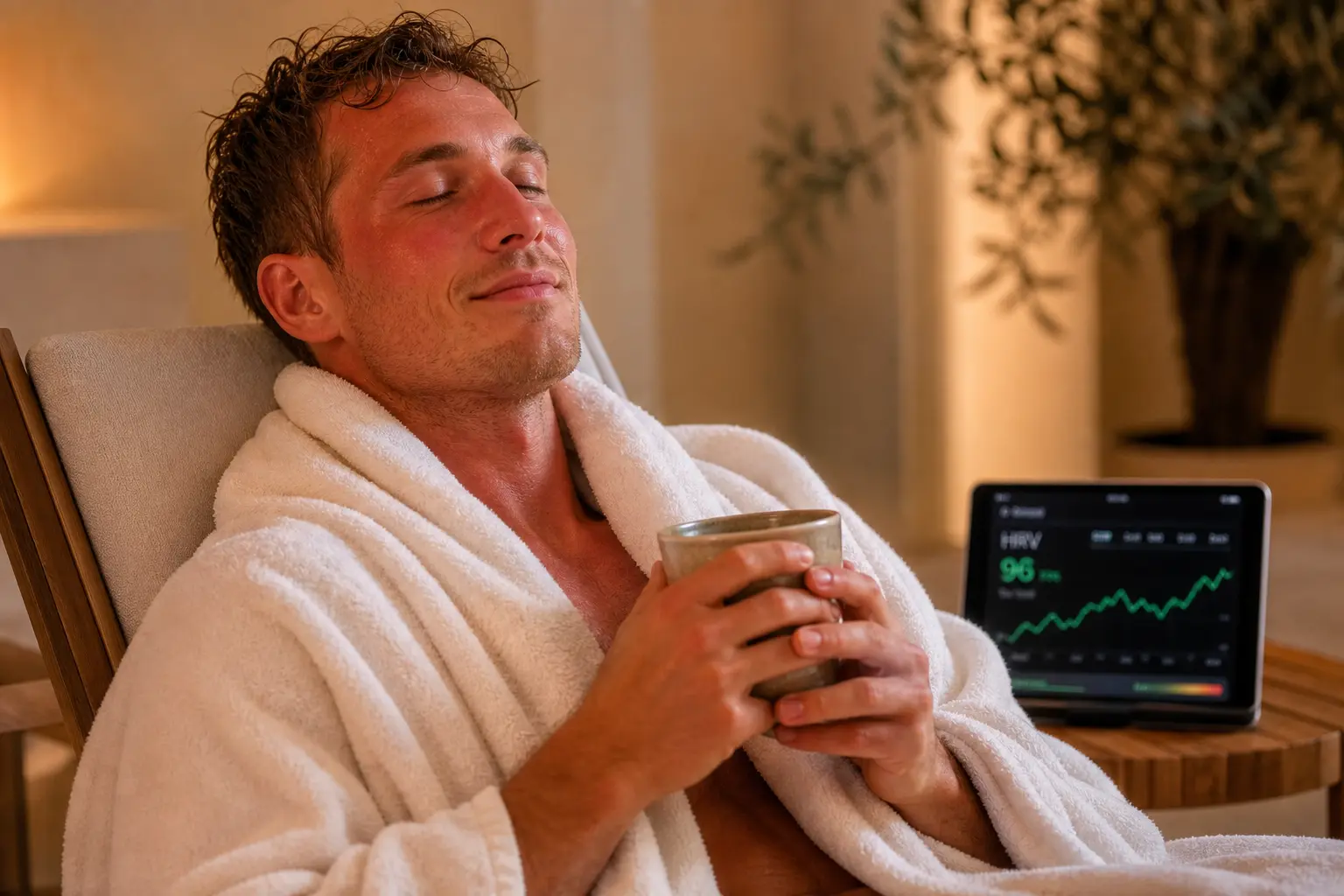
Just like lifting weights builds physical muscle, repeatedly exposing your body to the controlled shock of a cold plunge builds autonomic resilience, fundamentally changing how you react to daily stressors.
Strengthening Your Vagus Nerve
Your vagus nerve is the main highway of your parasympathetic nervous system, responsible for regulating your heart rate and calming your body down after stress. Regular cold plunging acts as a direct stimulus for the vagus nerve, increasing its “tone” and efficiency over time.
With a highly toned vagus nerve, your body becomes incredibly efficient at shutting down stress. The next time you experience an emotional shock at work or in life, your nervous system will naturally transition back to a calm state much faster, preventing chronic cortisol elevation and physical fatigue.
The deep post-plunge calm is caused by the parasympathetic rebound combined with a 250% surge in baseline dopamine levels. Your body has successfully navigated a severe, simulated survival crisis, and your brain rewards you with a chemical cocktail of calmness, focus, and emotional safety.
Yes, and they should. A milder beginner ice bath temperature of 13°C to 15.5°C is more than enough to trigger the cold shock response and train your autonomic nervous system. Starting too cold (under 5°C) can overwhelm your heart and lead to uncontrolled gasping, which defeats the purpose of cognitive control.