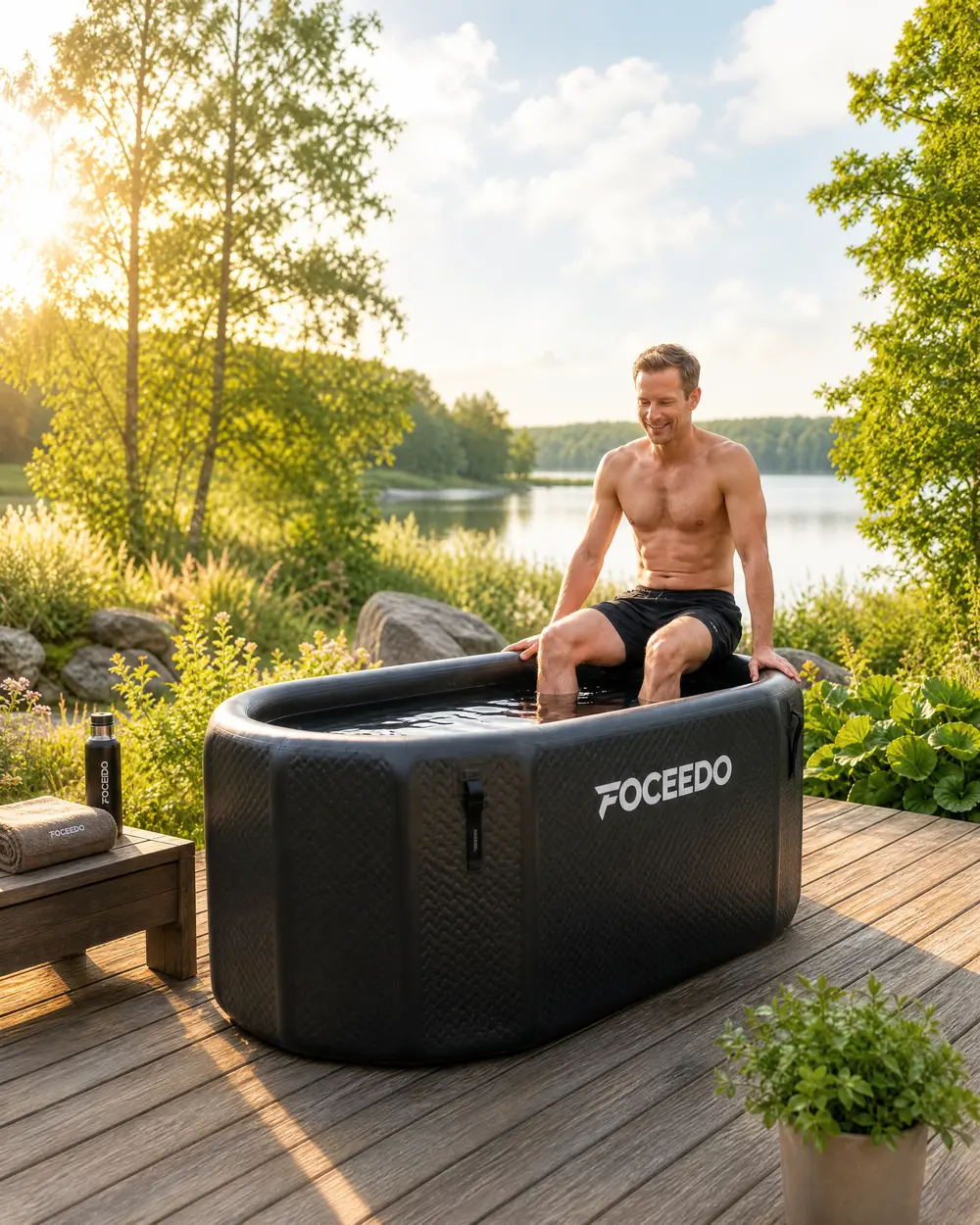










The Science Behind Ice Bath Recovery

Learn how cold water immersion affects soreness, circulation, stress response, and safe recovery routines.

Quick Answer

01

Cold water immersion helps reduce post-exercise soreness, cool the body after intense exercise, support stress control, and create a repeatable recovery routine when temperature and time are controlled.

02

For most healthy beginners, a practical starting point is 10°C–15°C / 50°F–59°F for 1-2 minutes. Longer sessions are not always better. Safe cold exposure depends on temperature, time, breathing control, and personal health status.

03

People with heart disease, uncontrolled blood pressure, pregnancy, diabetes complications, Raynaud’s disease, cold urticaria, or serious circulation problems should speak with a healthcare professional first.

What is Cold Water Immersion?

Cold water immersion, often called an ice bath or cold plunge, means sitting in cold water for a controlled period of time.

The goal is not to make the water painfully cold. The goal is to create a short, manageable cold stress that affects blood vessels, breathing, pain perception, and recovery signals.

Most recovery routines use water around 10°C–15°C / 50°F–59°F. Beginners should start warmer and shorter before moving into colder or longer sessions.
Woman relaxing in Foceedo ice bath

What Happens to Your Body

Cold water triggers several fast responses in the body. These changes explain why ice baths can feel intense, refreshing, and useful for recovery when used safely.

01

Blood Vessels Narrow

Cold water causes blood vessels near the skin and limbs to narrow. This is called vasoconstriction.

This response helps the body protect core temperature and may reduce swelling around tired muscles after intense training.

02

Breathing Speeds Up

The first seconds of cold exposure can make your breathing faster. This is part of the cold shock response.

That is why beginners should enter slowly, keep the session short, and focus on calm breathing before staying longer.

03

The Nervous System Wakes Up

Cold exposure activates the sympathetic nervous system. This can increase alertness, focus, and the feeling of being mentally awake.

This effect is one reason many users feel refreshed after a short cold plunge.

04

Rewarming Restores Flow

After the session, your body gradually warms again. Blood vessels widen, circulation returns, and the body moves back toward balance.

This natural rewarming phase is part of the recovery experience. It is also why you do not need extreme cold or very long sessions to feel the effect.

What Science Says Ice Baths Do Best

Cold water immersion is not a magic cure, but it is a highly useful recovery tool when it is used with the right goal. The clearest value is post-exercise recovery: cooling the body, reducing soreness, calming exercise stress, and helping users build a repeatable recovery habit.

A smart ice bath routine works best when three things are controlled: water temperature, session time, and how often you repeat it. This is where a stable cold plunge setup becomes more valuable than random bags of ice.

Recovery GoalScience ConfidenceWhat It Means for Users
Post-exercise sorenessStrongHelps reduce the sore, heavy feeling after hard training.
Perceived recoveryStrongHelps users feel fresher and more ready for the next session.
Exercise heat and stressModerateHelps the body cool down and return to a calmer state after intense work.
Stress controlPracticalTrains calm breathing under controlled physical discomfort.
Relaxation after rewarmingPracticalSupports a calmer wind-down routine after the body warms naturally.
Weight loss or illness preventionNot the main useIce baths should not be sold as a fat-loss shortcut or medical treatment.

6 Key Benefits of Ice Baths

Reduce Muscle Soreness

Cold water immersion helps reduce the sore, heavy feeling that often appears after hard training. The cold narrows blood vessels, lowers local heat buildup, and changes how pain signals are felt.

This is why ice baths are widely used after running, cycling, strength training, team sports, and high-volume fitness sessions. The goal is not to erase fatigue completely, but to help your body feel more comfortable and ready to move again.

Support Faster Recovery

Ice baths help users recover better by creating a clear cool-down routine after intense physical stress. A short cold session helps the body shift from heat, pressure, and overload into a calmer recovery state.

This matters because recovery is not only about muscle repair. It is also about reducing discomfort, calming the body, and making it easier to return to training, work, or daily activity.

Cool the Body After Exercise

After hard exercise, your body can feel hot, heavy, and overstimulated. Cold water pulls heat away from the skin and helps the body return to a cooler, more controlled state.

This benefit is especially useful after summer training, endurance sessions, sauna use, or high-intensity workouts. A stable cold plunge setup makes the cooling effect easier to control because the water temperature does not drift unpredictably.

Improve Stress Control

Cold water is a controlled stress challenge. When you slow your breathing and stay calm in cold water, you train your body and mind to handle discomfort with more control.

This is one reason many people value ice baths beyond sports recovery. The routine creates a short, focused moment where the body feels stress, but the mind practices calm.

Support Better Relaxation

Many users feel calmer after an ice bath, especially during the natural rewarming period. As the body warms back up, breathing slows, circulation returns, and the nervous system gradually shifts out of high-alert mode.

This makes ice baths useful as part of a wind-down routine, especially when the session is short, controlled, and not too close to bedtime. The goal is to leave the body refreshed, not shocked or exhausted.

Build a Consistent Wellness Habit

One of the biggest benefits of ice baths is consistency. A simple cold routine gives users a repeatable way to reset the body, practice discipline, and support long-term wellness.

This is where temperature control matters. When the water is clean, stable, and ready to use, cold therapy becomes easier to repeat at home, in gyms, spas, recovery studios, and wellness spaces.

What Temperature Should an Ice Bath Be?

The best ice bath is not the coldest one. It is the one you can repeat safely with steady breathing and full control.

USER LEVELWATER TEMPERATURESESSION TIMEBEST FOR
Beginner13°C–15°C / 55°F–59°F1–2 minutesFirst sessions, breathing practice, gentle recovery
Regular user10°C–13°C / 50°F–55°F2–5 minutesPost-workout recovery and routine cold exposure
Advanced user7°C–10°C / 45°F–50°F1–3 minutesExperienced users with strong cold tolerance
Not recommendedBelow 5°C / 41°FAvoidHigher risk and usually unnecessary

When to Use an Ice Bath

Ice baths are most useful after intense exercise, long endurance sessions, high-impact sport, or competition days when soreness control matters more than muscle growth signaling.

If your main goal is muscle size or strength adaptation, avoid cold immersion immediately after heavy resistance training. Waiting several hours may help you keep the recovery benefit without reducing some of the natural training signals your body needs.

For general wellness users, a short cold plunge can be used as a controlled cold exposure routine. Start with 1–2 minutes, use a repeatable temperature, and avoid turning the session into a pain challenge.

How to Take an Ice Bath Safely

Safe Ice Bath Routine

Start with a Safe Temperature

Begin around 13°C–15°C / 55°F–59°F. This is cold enough for most beginners to feel the effect without pushing into extreme discomfort.

Avoid starting near freezing water. Colder is not automatically better.

Keep the First Session Short

Start with 1–2 minutes. If your breathing stays calm and you feel in control, you can slowly build your routine over time.

Do not force yourself to stay in the water if you feel chest pain, dizziness, numbness, confusion, or panic.

Control Your Breathing

The first cold shock usually changes your breathing. Focus on slow exhales and relaxed shoulders.

If you cannot control your breath, step out. Breathing control is more important than session length.

Warm Up Naturally

After the session, dry off, put on warm clothing, and let your body rewarm gradually.

Avoid rushing into very hot water immediately after a very cold plunge, especially if you are new to cold exposure.

Track Your Response

Pay attention to how you feel after the session and the next day.

A good routine should leave you feeling refreshed, calm, and recovered. If you feel exhausted, overly cold, or unwell, reduce the time or raise the temperature.

Who Should Avoid Ice Baths?

Ice baths are not suitable for everyone. Sudden cold exposure can increase breathing rate, heart rate, and blood pressure.

Speak with a healthcare professional before using cold water immersion if you have:

  • Heart disease or a history of cardiac events
  • Uncontrolled high blood pressure
  • Pregnancy
  • Diabetes complications or nerve damage
  • Raynaud’s disease
  • Cold urticaria or strong cold sensitivity
  • Fainting history
  • Serious circulation problems
  • Open wounds or active skin infection

Build a More Controlled Cold Plunge Routine

If cold plunging is suitable for your body, the next step is consistency. A good routine should keep the water temperature stable, the session time clear, and the water moving cleanly between uses.

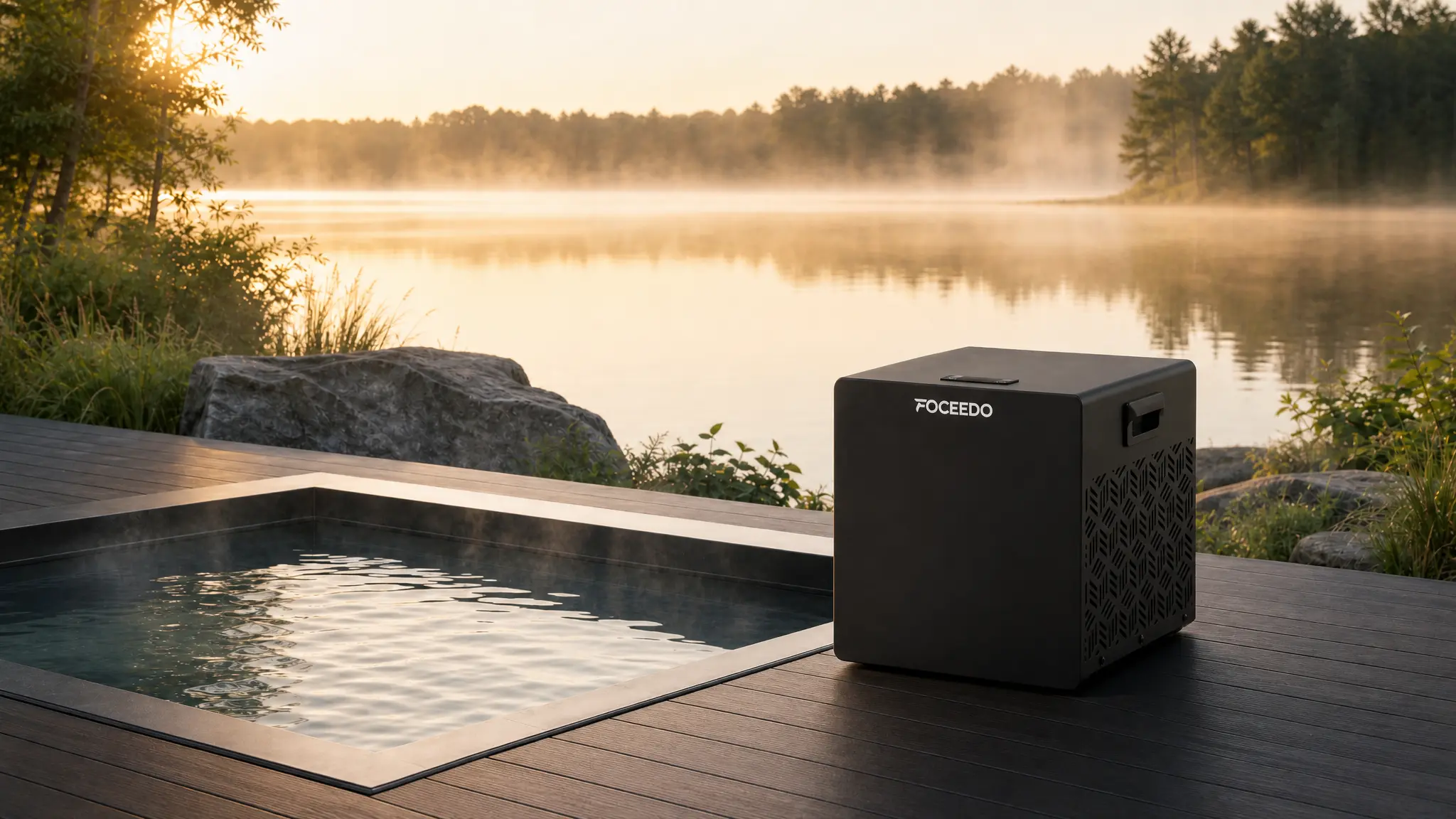
FOCEEDO ice bath chillers help make that easier by supporting controlled cooling, water circulation, and cleaner daily use for residential home environments and personal wellness spaces.

"The goal is not colder water. It is a cold plunge routine that feels safer, steadier, and easier to repeat."

Looking for a stable cold plunge setup?

Explore FOCEEDO chillers for controlled cooling and cleaner water circulation.

Explore Chillers
Scroll to Top

Request a Quotation

Our team will get back to you within 24 hours

This site is protected by reCAPTCHA and the Google Privacy Policy and Terms of Service apply.