









Table of Contents
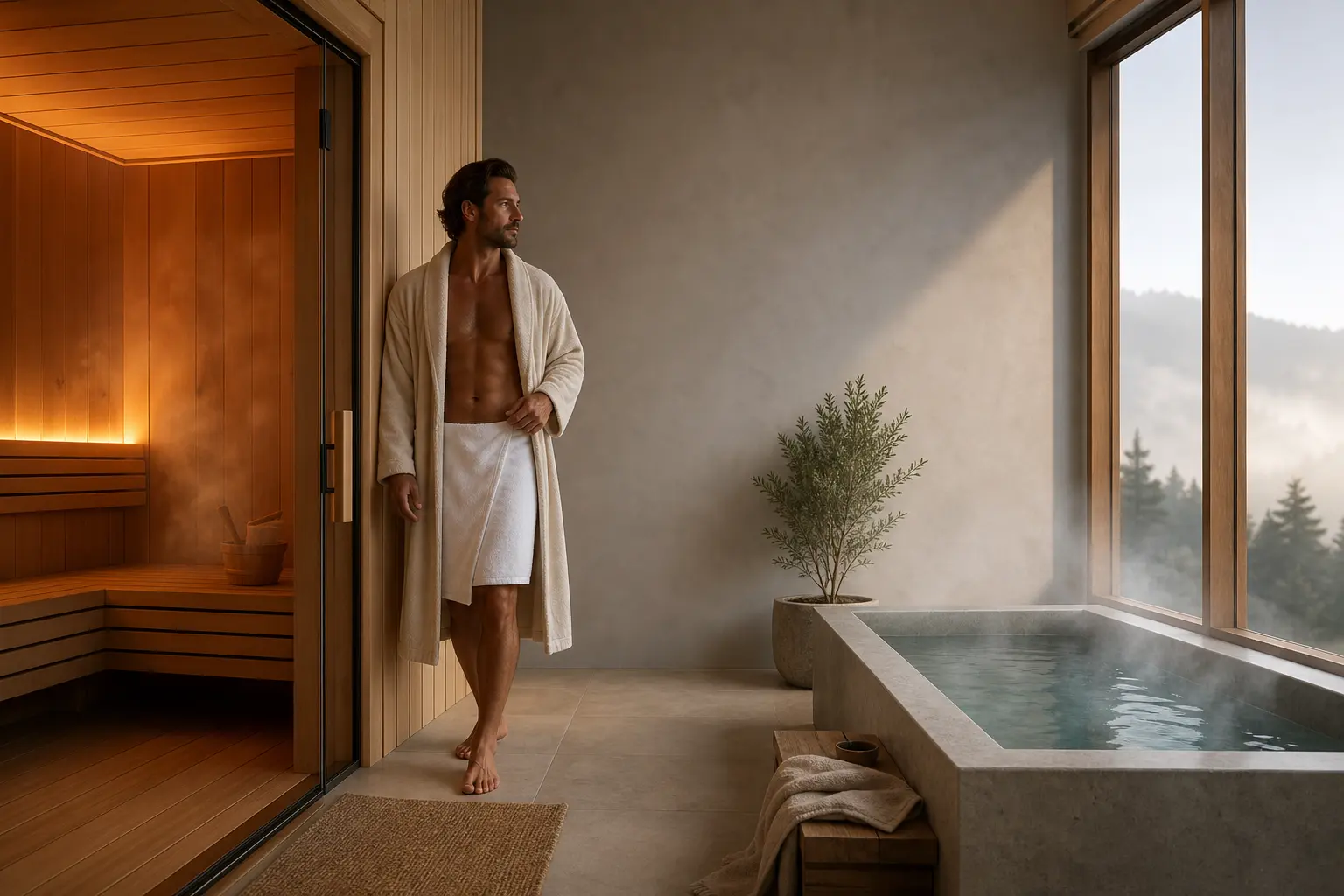
For the best recovery, use the sauna first, then the cold plunge, and finish with a dedicated rest period. This popular sequence is backed by traditional Nordic habits and modern sports science. The heat relaxes your muscles and expands your blood vessels before the cold water creates a safe and helpful shock to boost your recovery.
Alternating between hot and cold exposure provides excellent physical and mental benefits. However, forcing your body through extreme temperature shifts should never be a test of raw endurance. When you understand how your body reacts to heat and cold, you can make your routine safer and much more effective.
Why Should You Sauna Before an Ice Bath?
The Traditional Nordic Cycle
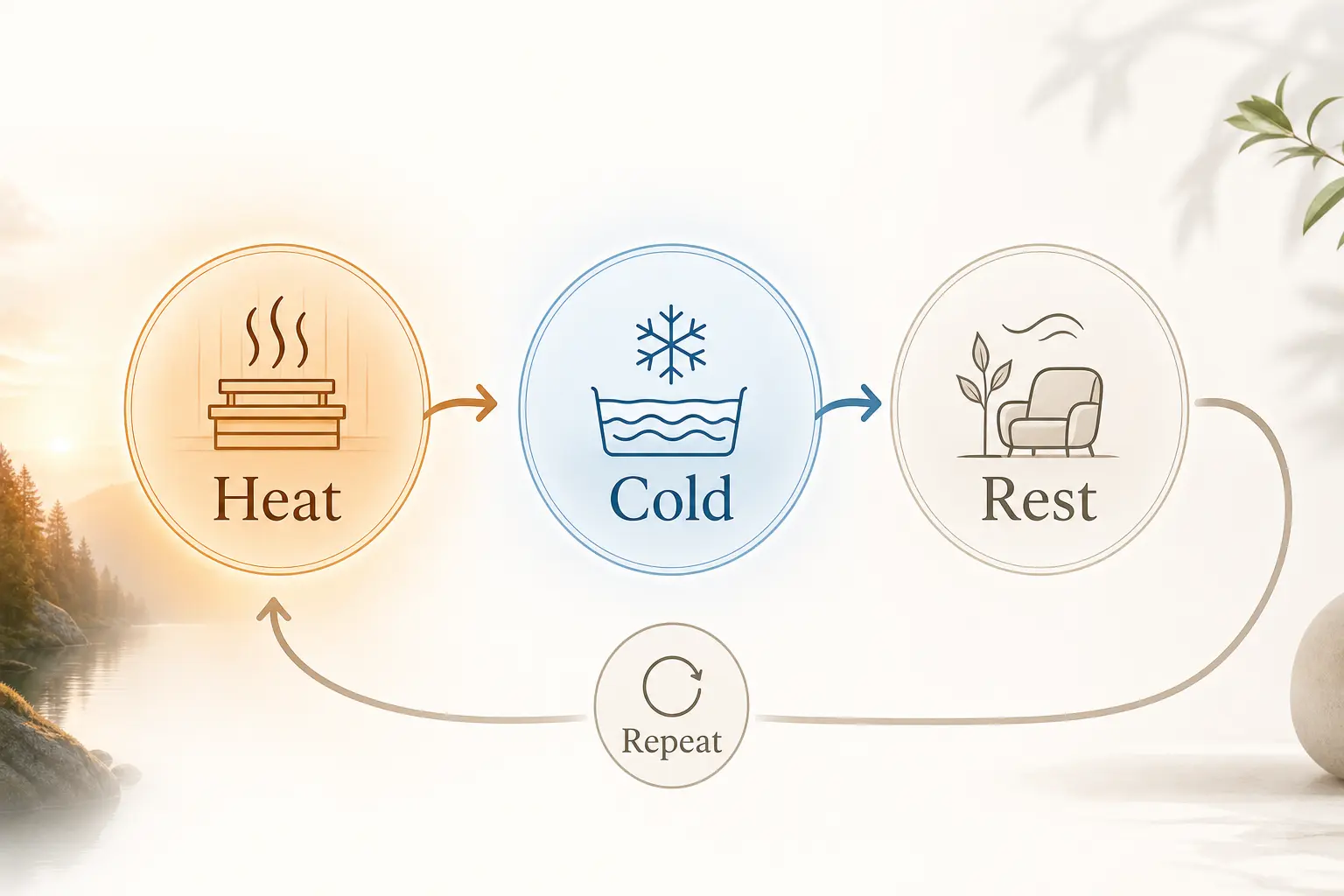
The Traditional Nordic Cycle is a mind-body recovery therapy with a history spanning hundreds of years. It uses a clear pattern of heat, cold, rest, and repetition.
A standard round consists of spending 10 to 15 minutes in a hot sauna, moving into a cold plunge for 30 seconds to 2 minutes, and then resting quietly for 5 to 10 minutes. You can repeat this cycle 2 or 3 times in one session.
Many beginners make the mistake of rushing straight from the ice bath back into the hot sauna. Resting is essential because it allows your heart rate and breathing to return to normal. This quiet pause protects your nervous system from getting overwhelmed and keeps your routine safe.
Why Going from Cold to Hot is Less Effective
Choosing a cold-first sequence is not just uncomfortable. It actively limits the physical benefits of your recovery session. Starting with cold instead of heat causes several lost opportunities for your body:
Weakened Vascular Pump
Contrast therapy works by pumping blood through your body. Opening your blood vessels first with heat and then squeezing them with cold pushes blood back to your heart. Doing the reverse weakens this pumping action, which reduces muscle recovery and blood circulation.
Suppression of Natural Rewarming
When you step out of a cold plunge, your body must work hard to warm itself back up. This natural process boosts your metabolism and burns energy. If you jump straight into a sauna, the hot air warms you up instead, and you lose this great metabolic benefit.
Duller Mental Focus
Cold water releases a high amount of dopamine and adrenaline, which keeps you energized and alert for hours. If you go into a hot sauna immediately after your plunge, the heat relaxes you and makes you sleepy, which cancels out the mental clarity you just gained.
Higher Risk of Dizziness
Moving from extreme cold immediately to sudden heat causes your blood vessels to open up too fast. This can cause your blood pressure to drop quickly, which often leads to severe dizziness, lightheadedness, or fainting.
The Science Behind the Sequence
To understand why the sauna-first order works so well, we can look at how your cells, blood vessels, and nervous system react to temperature changes.
Vasodilation vs. Vasoconstriction
When you sit in the sauna, your body experiences vasodilation. The high heat relaxes the muscles around your blood vessels, which opens them up like a wide highway. This allows more blood to flow to your skin and muscles, helping your body release excess heat and ease muscle tension.
When you step into the cold plunge, your body immediately does the opposite, which is called vasoconstriction. The cold water shrinks your blood vessels to keep your core organs warm. Alternating between these two states gives your blood vessels a great workout, keeping them healthy and strong.
Heat Shock Proteins (HSPs) & Cellular Protection
While you are in the sauna, the mild heat stress triggers your cells to make Heat Shock Proteins. These special molecules act like an internal repair crew. They bind to other proteins inside your cells to protect them from unfolding or getting damaged under stress.
This response is a healthy biological adaptation called hormesis. It means that a small, temporary stressor can make your cells much stronger and more resilient over time. A regular sauna habit helps your body build a better defense system to support muscle recovery and general cell health.
Why the Cold Feels So Intense
Submerging your body in cold water triggers an immediate survival reflex. This reaction is called the mammalian dive reflex, and it activates your sympathetic nervous system. Your brain senses the extreme cold as a threat and quickly releases adrenaline, which causes a sudden gasping reflex.
Knowing that this shock is just a primitive reflex is the secret to staying calm. You can override the gasping reflex by focusing on long, slow exhales through your mouth. This simple breathing practice teaches your brain to stay relaxed under stress and brings your nervous system back into balance.
How to Cold Plunge and Sauna: The Optimal Routine
Step-by-Step Protocol
A safe contrast session should be a relaxing ritual rather than a test of willpower. Keeping your movements slow and your breathing steady will help your heart and blood vessels adapt safely to the temperature changes.
Drink Water
Drink a large glass of water or electrolytes before the sauna to replace the fluids you will lose through sweat.
Use the Sauna
Spend 10 to 15 minutes in a dry sauna heated to 160°F–180°F (71°C–82°C) to relax your muscles.
Rinse Off
Exit the sauna slowly, wait a minute, and rinse off under a lukewarm shower to wash away sweat.
Enter the Plunge
Step into the cold water slowly, keeping your hands and head above the surface. Submerge your body to your chest and focus on slow, deep exhales.
Submerge for 1 to 2 Minutes
Limit your cold time to 30 seconds for your first try, and slowly work up to 1 or 2 minutes as you get used to it.
Rest and Recover
Exit the cold plunge carefully, wrap yourself in a warm towel, and sit quietly in a comfortable room for 5 to 10 minutes.
Duration & Temperature Guide
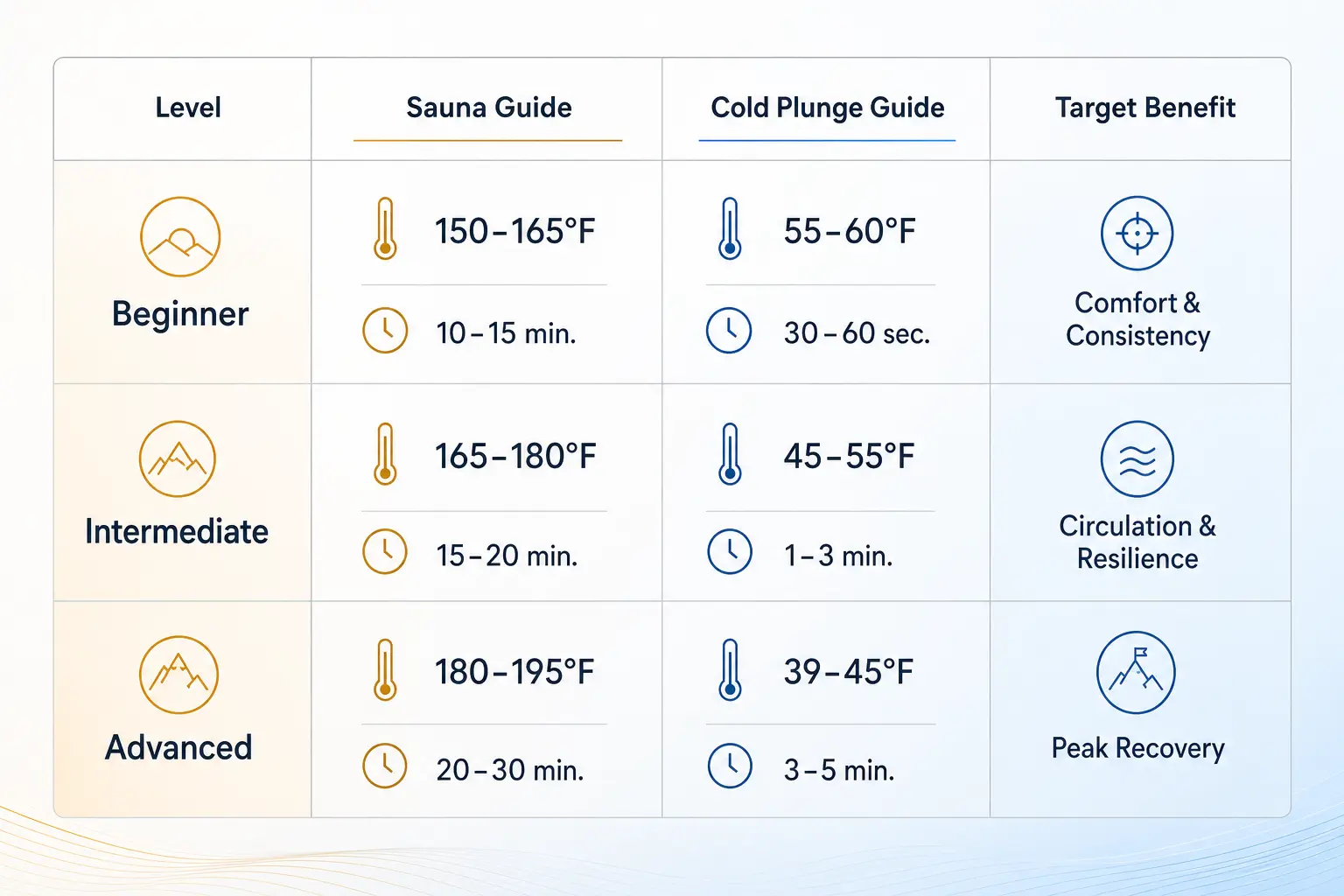
When you design your contrast routine, always match the temperatures and times to your current experience level. Shorter times at moderate temperatures are highly effective, and forcing yourself too hard can cause physical exhaustion.
Beginner Level
Use the sauna for 5 to 10 minutes. Keep your cold plunge water between 10°C and 15°C (50°F to 59°F), and stay inside for only 30 to 90 seconds.
Intermediate Level
Use the sauna for 10 to 15 minutes. Cool your cold plunge water to 8°C and 12°C (46°F to 54°F), and stay for 1 to 2 minutes.
Advanced Level
Use the sauna for 15 to 20 minutes. Advanced users can lower the cold plunge water to 5°C and 8°C (41°F to 46°F) for up to 2 minutes under proper supervision.
Crucial Safety Precautions & Common Mistakes
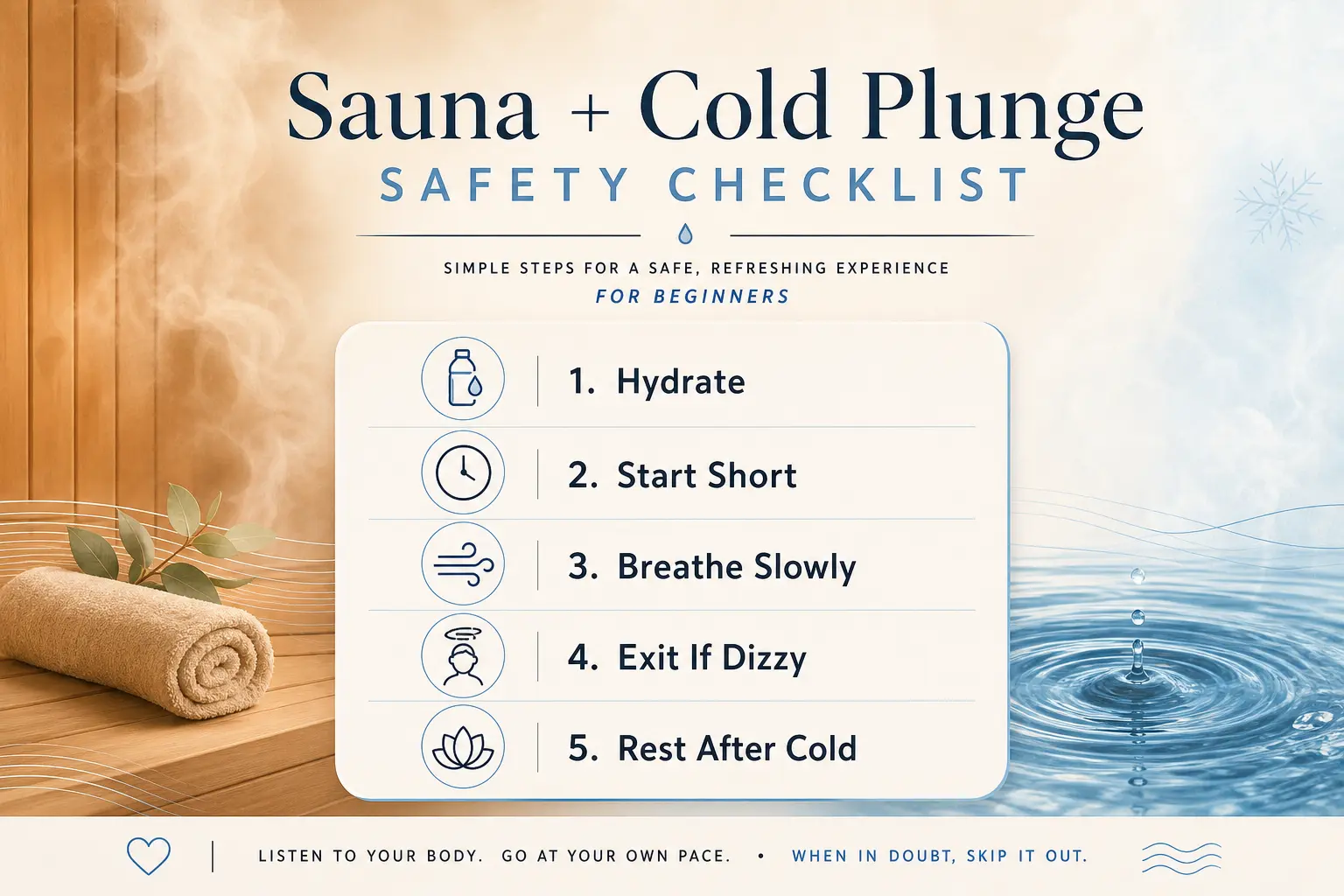
Contrast therapy is highly beneficial for healthy people, but ignoring your limits can put too much strain on your heart. The most common mistakes are holding your breath in the cold, rushing from the sauna to the plunge without a short break, and staying in the ice bath for too long.
Who Should Avoid Contrast Therapy?
Because contrast therapy causes rapid changes in your blood pressure and heart rate, it places a temporary but heavy workload on your cardiovascular system. Certain health conditions make these quick temperature changes dangerous.
Cardiovascular Issues
People with a history of heart disease, heart failure, or irregular heartbeats must avoid contrast therapy to protect their heart.
Unstable Blood Pressure
Severe high or low blood pressure can become unstable and unsafe during fast temperature shifts.
Pregnancy
Extreme sauna heat and sudden cold shocks can affect blood flow and are not safe for pregnant women.
Cold Sensitivities
People with Raynaud’s disease or cold allergies can experience painful reactions in their skin and tissues.
Acute Illness
Do not use contrast therapy if you have a fever, active infections, open wounds, or if you have been drinking alcohol.
The Danger of “Diving In”
Choosing a cold-first sequence is not just uncomfortable. It actively limits the physical benefits of your recovery session. Starting with cold instead of heat causes several lost opportunities for your body:
Weakened Vascular Pump
Contrast therapy works by pumping blood through your body. Opening your blood vessels first with heat and then squeezing them with cold pushes blood back to your heart. Doing the reverse weakens this pumping action.
Suppression of Natural Rewarming
When you step out of a cold plunge, your body must work hard to warm itself back up. This natural process boosts your metabolism and burns energy. If you jump straight into a sauna, you lose this great metabolic benefit.
Duller Mental Focus
Cold water releases dopamine and adrenaline, keeping you energized. If you go into a hot sauna immediately after your plunge, the heat relaxes you and makes you sleepy, canceling out the mental clarity you just gained.
Higher Risk of Dizziness
Moving from extreme cold immediately to sudden heat causes your blood vessels to open up too fast. This can cause your blood pressure to drop quickly, which often leads to severe dizziness, lightheadedness, or fainting.
Conclusion: Sauna First, Cold Plunge Second, Then Rest
The power of contrast therapy lies in a consistent routine of heat, cold, and rest, rather than enduring extreme temperatures. Because consistency is the key to both physical and mental health, maintaining pure water at a stable temperature is essential.
Designed for luxury homes and spas, the FOCEEDO cold plunge chiller series makes recovery effortless. Through advanced cooling and filtration, it ensures your cold plunge is safe, precisely chilled, and waiting the moment you leave the sauna.
It is much better to cold plunge after the sauna. Doing the plunge first reduces your body's natural metabolic rewarming, dampens your energy levels, and increases the risk of feeling dizzy when you enter the sauna.
You should limit your cold plunge to 30 seconds to 2 minutes. The vascular and mental benefits peak within the first two minutes. Staying in longer does not help your recovery and can lower your core temperature too much.
The ideal range for most people is between 8°C and 12°C (46°F to 54°F). Beginners should start warmer, around 10°C to 15°C (50°F to 59°F), and should only lower the temperature when they can stay calm and breathe slowly.