










Table of Contents
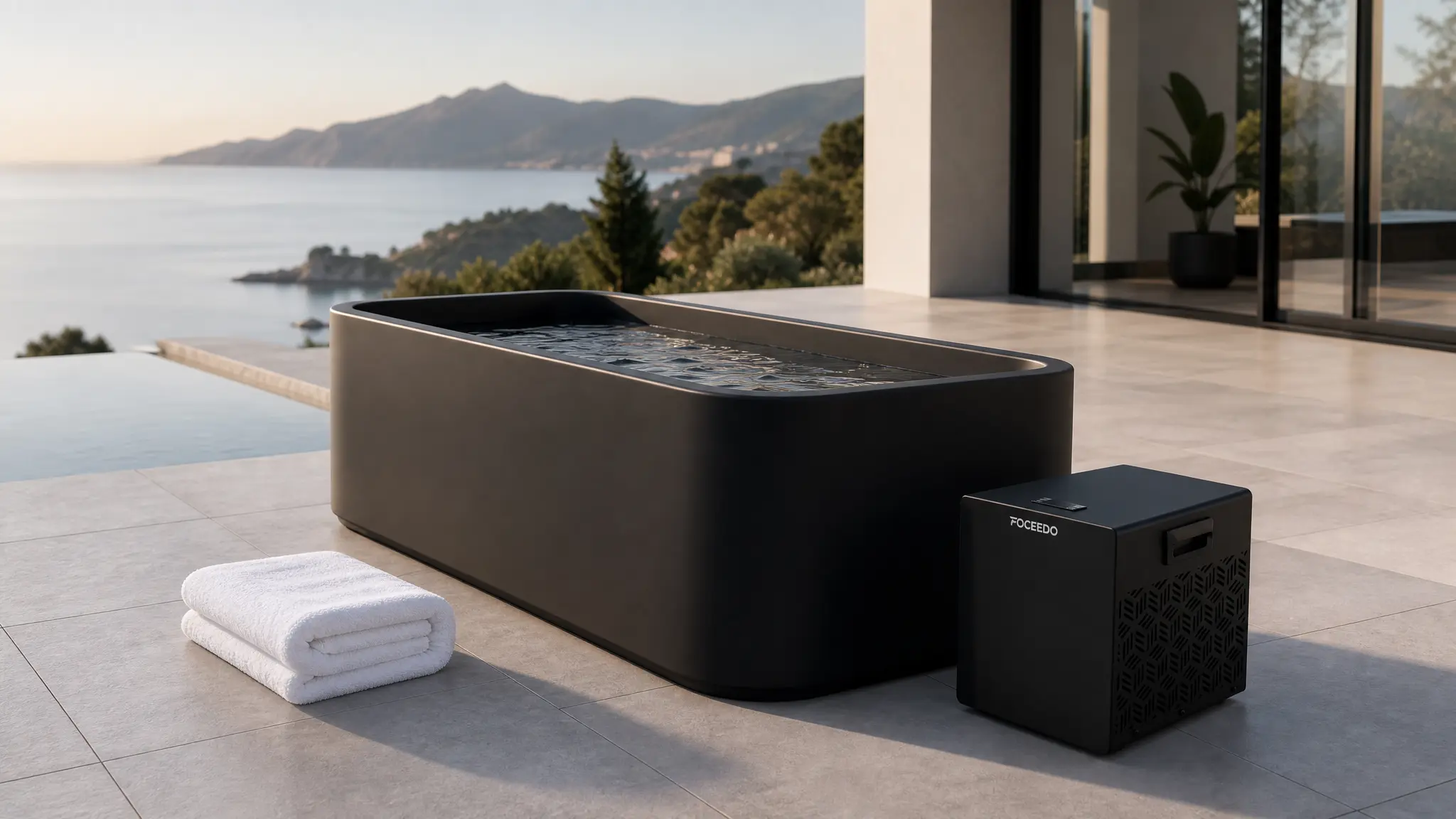
The best time to cold plunge depends on what you want from the session. Use the morning for energy, the afternoon for recovery or fatigue, and the evening only if you leave enough time before bed.
Quick Summary
🧊 Morning is best for energy and focus. Cold water gives your nervous system a strong wake-up signal and can help you start the day with more alertness.
🧊 Afternoon is best for recovery and fatigue. It works well after endurance training, hot workouts, or the natural midday energy dip.
🧊 Night can work, but timing matters. Keep your plunge 2–4 hours before bed and avoid extreme cold if sleep is your goal.
Quick Answer
If you want the simplest answer, start with a morning cold plunge. It is the easiest time to repeat, and the alertness effect usually fits your natural daily rhythm.
If your main goal is workout recovery, the better timing depends on your training type. Cold water can be helpful after endurance work, but it should be delayed after heavy strength training if muscle growth is your priority.
| Goal | Best Time | Why It Works |
|---|---|---|
| Energy and focus | Morning | Strong wake-up signal |
| Afternoon slump | Early afternoon | Stimulant-free reset |
| Endurance recovery | After training | Helps cool the body and reduce soreness |
| Muscle growth | Wait 4–6 hours after lifting | Protects adaptation signals |
| Sleep support | 2–4 hours before bed | Gives your body time to rewarm |
Morning Cold Plunge
A morning cold plunge is best when you want energy, focus, and a clean start to the day. The cold shock activates your sympathetic nervous system, which is the part of your body that helps you feel awake and ready to act.
This does not mean you need to suffer through extreme cold. For most healthy beginners, 12°C–15°C for 1–3 minutes is enough to create a strong alertness signal.
More Alertness
Cold water rapidly stimulates temperature receptors in your skin. Your body responds by increasing breathing drive, tightening blood vessels, and releasing alertness-related chemicals such as norepinephrine. In simple terms, your body treats cold water as a clear “wake up” signal. That is why many people feel mentally sharper after a short morning plunge.
A Better Routine
Morning is also practical. It happens before work, meals, training, and daily distractions make the routine easier to skip. If consistency is your main problem, morning may be the best time because it turns cold exposure into a simple habit instead of another task you must fit into a busy day.
Choose morning if you want more focus, a stronger start, or a caffeine-free energy lift. It can also work well if cold plunging at night makes you feel too alert.
Morning is not ideal for everyone. If you wake up already anxious, shaky, or sleep-deprived, start warmer, shorter, and slower.
Afternoon Cold Plunge
An afternoon cold plunge is best when you want a reset without using more caffeine. It can help when your alertness drops after lunch or when training leaves you hot, tired, and heavy.
For many people, the best afternoon window is around 2:00 PM–5:00 PM. This is late enough to help with fatigue, but usually early enough to avoid sleep disruption.
Midday Energy Reset
Your body naturally tends to dip in alertness during the afternoon. A short cold plunge can create a physical reset by increasing breathing, circulation changes, and mental arousal. This can be useful if coffee late in the day affects your sleep. A 2–3 minute plunge at 10°C–15°C may feel stimulating without adding caffeine to your system.
Post-Workout Cooling
Afternoon is also a strong window for endurance training, cardio, or high-heat workouts. In these cases, cold water can help lower thermal stress and reduce the feeling of heavy fatigue. This is different from using cold water after hypertrophy-focused lifting. Endurance recovery often benefits from cooling, while muscle growth depends more on allowing normal adaptation signals to unfold.
For most users, early to mid-afternoon is safer than late evening. It gives your body enough time to return to a normal temperature and calmer nervous system state.
Avoid plunging immediately after a very large meal. Digestion already pulls blood flow toward your gut, and strong cold exposure can feel uncomfortable when your body is trying to process food.
Night Cold Plunge
A night cold plunge can work, but it is the easiest timing to get wrong. Cold water may feel calming after you exit, but the first response is still a stress response.
If you plunge too close to bedtime, your body may stay alert, your heart rate may remain elevated, or you may spend too long shivering and trying to rewarm.
Why Timing Matters
Good sleep usually requires your nervous system to slow down and your body temperature to follow a natural evening rhythm. Cold water can interrupt that rhythm if the dose is too strong or too late. This is why a late-night plunge can make one person feel relaxed and another person feel wide awake. The difference often comes down to timing, temperature, duration, and personal sensitivity.
The Sleep Buffer
If you want to cold plunge at night, keep it at least 2–4 hours before bed. This gives your body time to rewarm, stop shivering, and settle back into a calmer state. Use a gentler protocol at night. A warmer range such as 12°C–15°C and a shorter exposure of 1–3 minutes is usually more sleep-friendly than a long, very cold session.
Avoid night plunges if you feel wired, shaky, or mentally stimulated afterward. Also avoid them if you struggle to get warm again after leaving the water. If your sleep gets worse, move cold exposure to the morning or early afternoon. Your recovery routine should support sleep, not compete with it.
After Workout Timing
Workout timing is where cold plunging becomes more specific. The right answer depends on whether you are training for endurance, soreness relief, competition recovery, strength, or muscle size.
Cold water is good at reducing perceived soreness and cooling the body. But if you use it too soon after lifting for hypertrophy, it may interfere with some of the signals your body uses to build muscle.
After Endurance Training
After running, cycling, HIIT, field sport, or heat-heavy training, cold water can be useful soon after the session. The main goals are lowering heat strain, reducing perceived fatigue, and making the body feel ready to move again. A practical range is 10°C–15°C for 5–10 minutes, depending on your experience and how hard the workout was. You do not need extreme cold to get a recovery effect.
After Strength Training
After heavy lifting, the situation changes. Muscle growth depends partly on the local stress and inflammatory signaling created by training. If your main goal is muscle size or maximum strength, wait at least 4–6 hours after lifting before cold plunging. You can also place cold plunges on rest days or after conditioning sessions instead.
Rest days are a simple way to use cold exposure without competing with strength adaptation. You can cold plunge for mood, soreness, or routine consistency while leaving your lifting window alone.
This is often the best compromise for people who want both cold therapy and muscle growth. You do not have to choose one forever; you just need to separate the timing.
Before or After Sauna
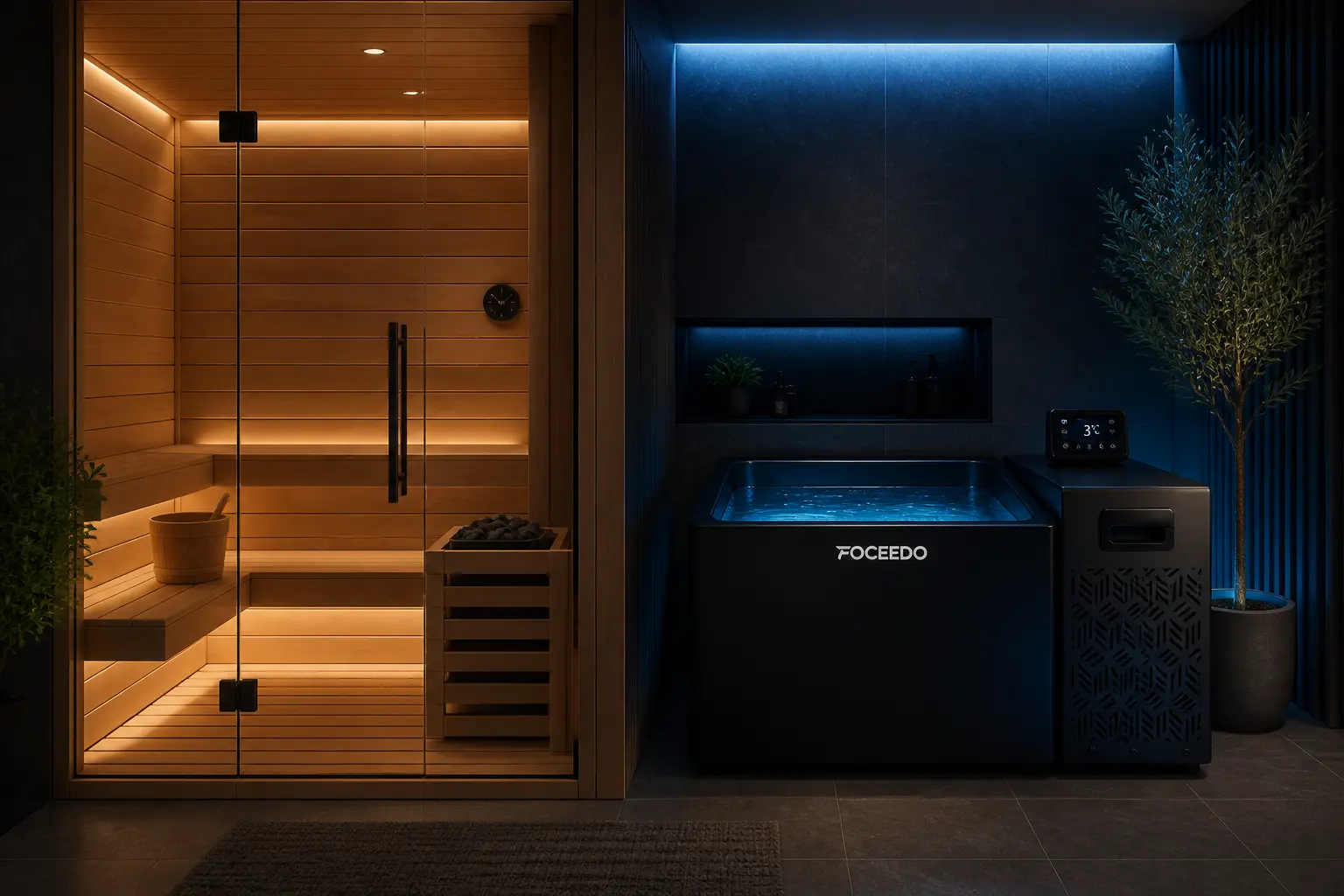
If you combine sauna and cold plunge, the usual order is heat first, then cold. Heat expands blood vessels, while cold constricts them, creating a strong contrast effect.
This section should stay simple because sauna timing is not the main topic of the article. The key is to avoid treating contrast therapy like an endurance contest.
Sauna First
Most people should use the sauna before the cold plunge. This order makes the cold feel sharper and creates a clear transition from heat stress to cold stress. If your goal is alertness, ending cold can feel clean and energizing. If your goal is sleep, avoid doing this sequence too late at night.
Pause Between Both
Leave 1–3 minutes between sauna and cold water. Sit, rinse, breathe slowly, and let your heart rate settle before entering the plunge. Moving instantly from intense heat to intense cold can create a sudden blood pressure shift. A short pause makes the routine safer and easier to control.
If you want to feel awake, ending with cold may make sense. If you want to sleep soon, ending too cold or too late may be counterproductive. Listen to the result, not the trend. If your routine leaves you calm and sleeping well, it fits you; if it leaves you restless, adjust the timing.
Temperature and Time
The best cold plunge timing will not help if the dose is too aggressive. Temperature and duration decide whether the session feels useful, stressful, or unsafe. Most people do not need near-freezing water. A consistent, moderate cold dose is usually more valuable than an occasional extreme plunge.
Beginner Range
Beginners should start around 12°C–15°C for 1–3 minutes. This is cold enough to create a clear body response without overwhelming your breathing. If you cannot control your breath, the water is too cold or the session is too long. Cold therapy should feel challenging, not panicked.
Standard Range
For regular users, 10°C–15°C for 2–5 minutes is a practical range. This works well for morning alertness, afternoon resets, and general recovery. Longer is not automatically better. Once your body has received the signal, staying in longer may only add stress and stiffness.
For soreness and recovery, many users stay in the moderate cold range rather than chasing the lowest possible temperature. A range of 10°C–15°C is usually enough for a strong cooling effect. For frequent home or studio use, a temperature-controlled cold plunge setup can make timing more repeatable because the water stays inside the intended range instead of swinging unpredictably with ice.
Extreme cold increases the chance of breath panic, numbness, dizziness, and poor sleep. It can also make the habit harder to repeat. A safe cold plunge routine should be boringly consistent. The best routine is the one your body can adapt to and your schedule can maintain.
Match Time to Your Body
There is no perfect cold plunge time for everyone. Your nervous system, sleep quality, training schedule, stress level, and cold tolerance all matter. Use your response as feedback. The right timing should leave you feeling clearer, calmer, or better recovered without making the rest of your day worse.
If You Feel Energized
If cold water makes you alert and motivated, use it in the morning or early afternoon. That turns the stimulating effect into a benefit. This is especially useful if you want focus without more caffeine. Keep the session short enough that it energizes you rather than draining you.
If You Feel Sleepy
Some people feel calm or even sleepy after cold exposure, especially once the rewarming phase begins. If that is your response, afternoon or early evening may work. Still, do not assume sleepiness means your sleep will improve. Track how quickly you fall asleep and how you feel the next morning.
If night plunges make you feel wired, move them earlier. You can also use warmer water, shorter duration, or a longer sleep buffer. Your body’s response matters more than any fixed rule. A routine that improves recovery but harms sleep is not a good recovery routine.
Build a Safe Routine
Cold plunging should be simple, repeatable, and controlled. You do not need to prove toughness every time you enter the water.
In high-frequency settings such as gyms, recovery rooms, and wellness studios, stable temperature control and clean water management matter more than making the water as cold as possible.
Start Warmer
Start with 12°C–15°C before trying colder water. This gives your breathing and circulation time to adapt. Once you can stay calm for 1–3 minutes, you can slowly adjust the temperature or time. Do not change both at once.
Breathe First
Before you enter, take a few slow breaths. When you step in, focus on making the exhale longer than the inhale. This helps you control the first shock response. If your breathing becomes chaotic, shorten the session or warm the water slightly next time.
After a morning or afternoon plunge, dry off, put on warm clothing, and move gently. Light walking or mobility can help circulation return without shocking your body again. At night, be more flexible. If natural rewarming keeps you awake or shivering too long, use a warm drink, warm clothes, or a mild shower to help your body settle.
Stop the session if you feel dizzy, confused, numb, short of breath, or tight in the chest. Uncontrolled shivering is also a sign that the dose may be too much.
People with heart disease, uncontrolled high blood pressure, fainting history, Raynaud’s syndrome, pregnancy concerns, or serious medical conditions should speak with a qualified clinician before cold plunging.
Simple Timing Plan
Use this table as a starting point, then adjust based on how your body responds.
| Situation | Best Timing | Simple Protocol |
|---|---|---|
| Need morning focus | After waking | 10°C–15°C, 2–3 min |
| Afternoon fatigue | 2–4 PM | 10°C–15°C, 2–3 min |
| Endurance recovery | After workout | 10°C–15°C, 5–10 min |
| Muscle growth goal | 4–6 hours after lifting | Keep moderate |
| Sleep support | 2–4 hours before bed | Warmer, shorter, gentle rewarm |
For most healthy people, morning is the easiest place to start. Afternoon works well for recovery and fatigue. Night can be useful, but only when the cold dose is gentle enough and far enough away from bedtime.
Morning is better for most people because cold water usually increases alertness. Night can work, but it should be done 2–4 hours before bed and kept gentle.
If cold plunging at night makes you feel awake or shaky, move it earlier in the day.
Yes, but it is not ideal for everyone. Cold water can stimulate the nervous system before it helps you feel calm.
If you plunge before bed, use a warmer range such as 12°C–15°C, keep it short, and leave a 2–4 hour buffer.
For endurance or heat-heavy training, cold plunging after the workout can help with cooling and perceived recovery. For strength training, it is better to wait if your goal is muscle growth.
A simple rule is to wait 4–6 hours after lifting before using cold water.
Beginners can start with 1–3 minutes. Regular users often do well with 2–5 minutes for alertness or 5–10 minutes for recovery.
Longer sessions are not automatically better and may increase stress, numbness, or sleep disruption.
For most people, 10°C–15°C is cold enough. Beginners should start closer to 12°C–15°C.
Very cold water is not necessary for most goals. Control, breathing, and consistency matter more than chasing the lowest number.
Related Articles
Blumenberg Tubs Powered by FOCEEDO Chillers
FOCEEDO partners with century-old German tub maker Blumenberg. Discover why they chose our chillers as the engine for their premium cold plunges.
FOCEEDO Partners with Nordu Spa in Türkiye
FOCEEDO and Nordu Spa begin a distribution partnership in Türkiye, adding FOCEEDO ice bath chillers to Nordu Spa’s cold-plunge range.

Meet FOCEEDO at AusFitness Industry 2026
Meet FOCEEDO at Stand 116 during AusFitness Industry, 11–12 September 2026 at ICC Sydney, and discuss cold recovery and partnerships.