
Table of Contents
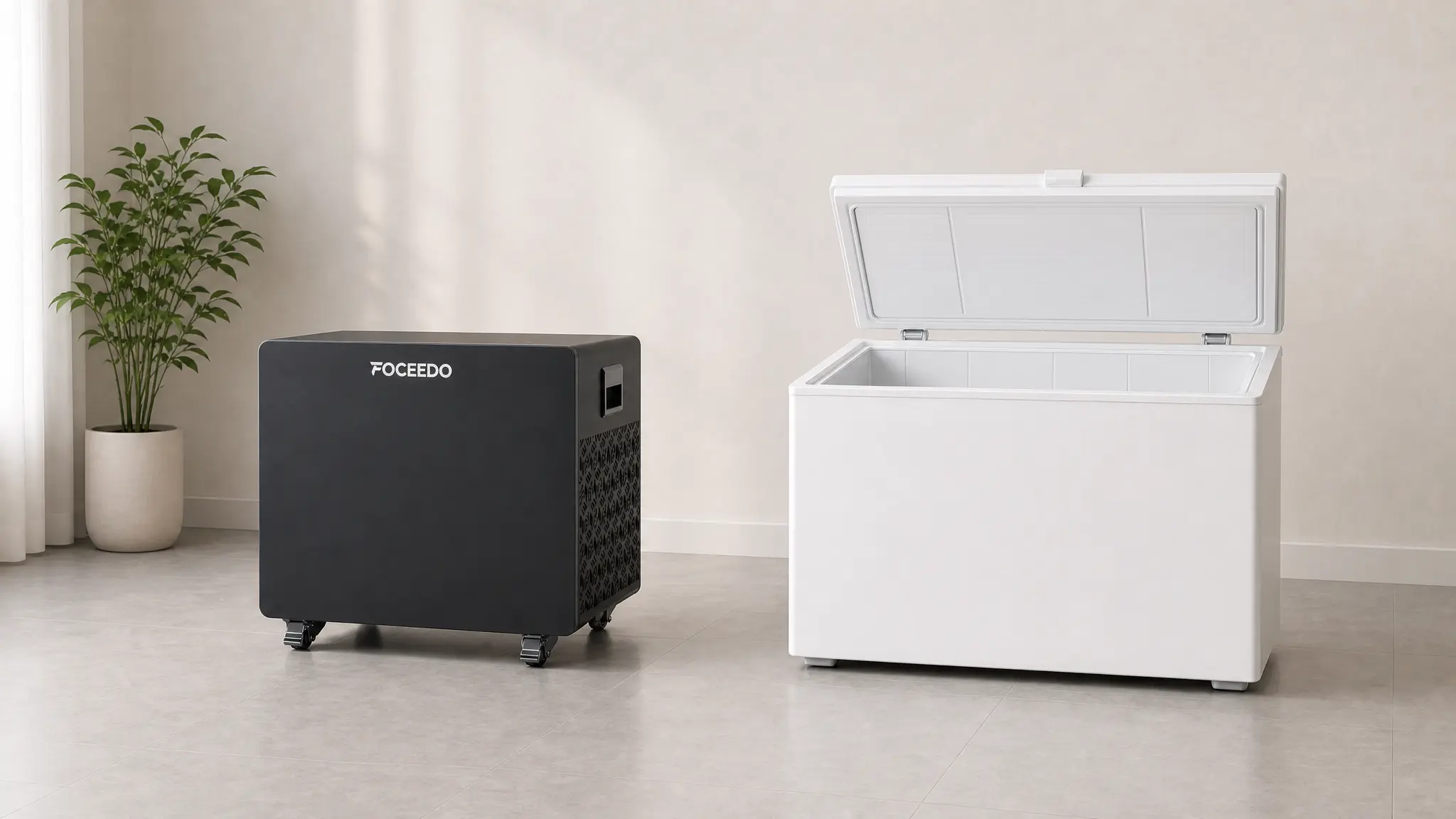
Choosing between a DIY chest freezer conversion and a professional cold plunge chiller is a critical decision for anyone establishing a home recovery setup. While modified home appliances promise budget-friendly entry, they introduce serious structural and biological trade-offs.
Quick Summary & Key Takeaways
The Core Anatomy: DIY Freezer vs. Dedicated Chiller
How a DIY Chest Freezer System Works
A DIY chest freezer conversion relies on a household appliance designed to freeze dry, solid food using copper cooling coils wrapped behind its interior metal walls. To hold water, you must manually coat every joint and seam with marine-grade silicone or epoxy sealant to prevent leaking. The system cools water by running the compressor continuously until the water temperature drops, often forming solid ice sheets on the inner liner.
How a Professional Ice Bath Chiller Works
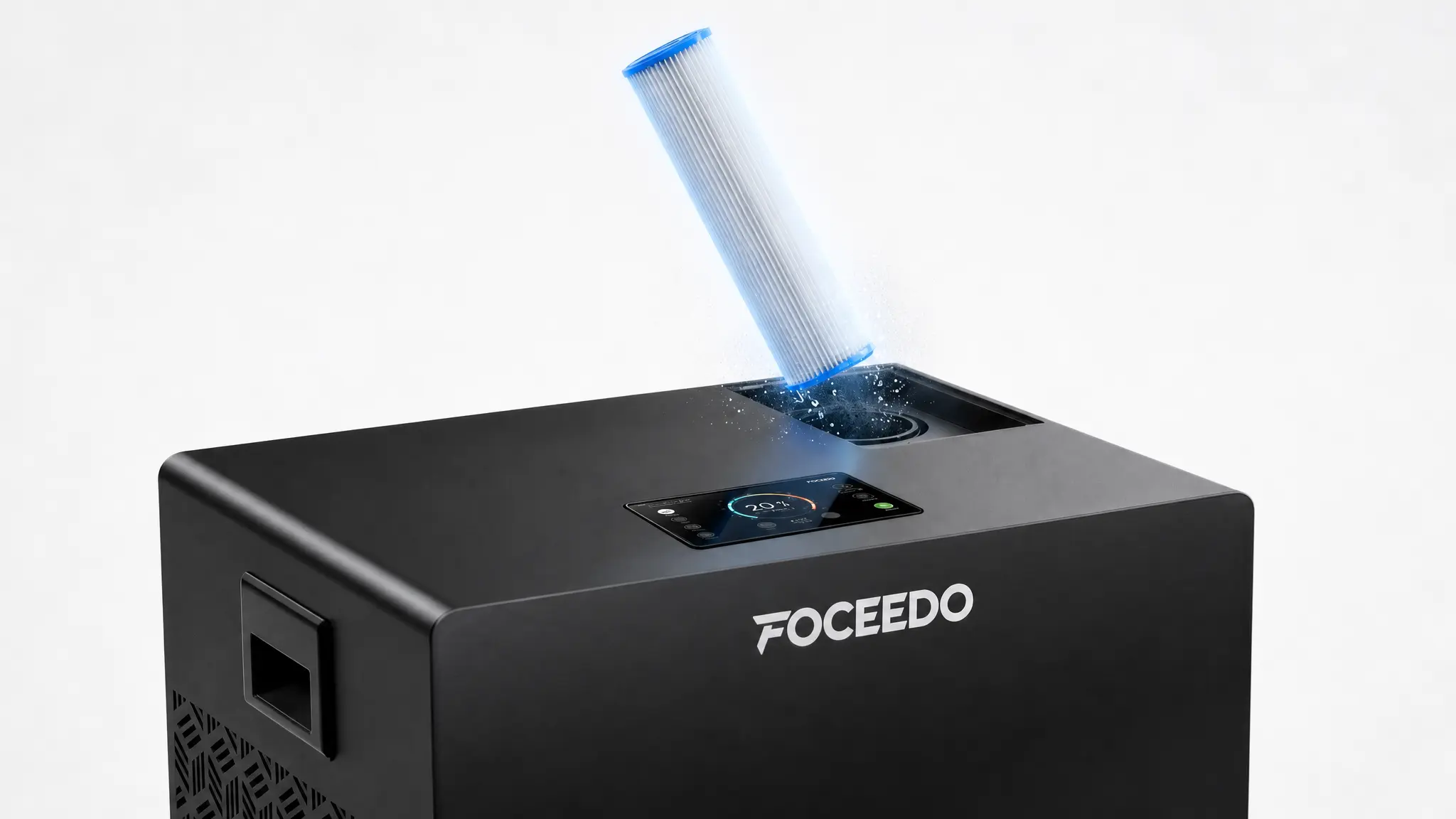
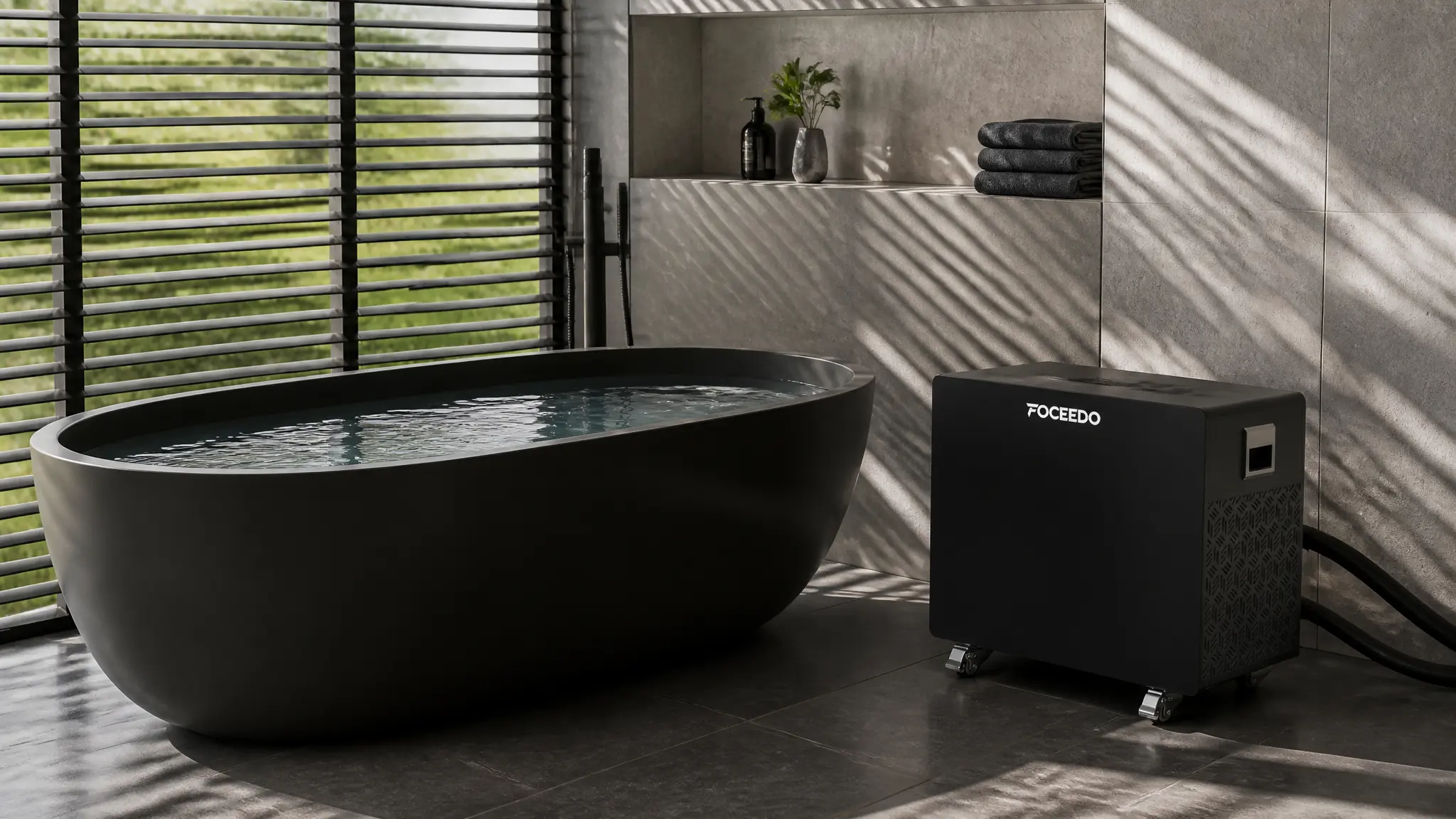
A dedicated cold plunge chiller operates as an active, closed-loop liquid thermal management system. Water is continuously pulled from the tub by a high pressure circulation pump, passed through a mechanical filtration cartridge, and then pushed through a high efficiency titanium heat exchanger. A digital control panel continuously monitors water temperature, adjusting the compressor output in real-time to maintain your precise target.
The Safety Equation: Electrical Hazards and Grounding
The Hazard of Static Appliance Compressors
Household freezers are engineered to keep dry air cold, not to submerge hundreds of liters of highly conductive water alongside a human body. Over time, the constant stress of water pressure and temperature fluctuations causes the thin sheet metal lining of the freezer to develop micro-cracks. When water seeps into these cracks, it contacts the internal electrical heating wires or compressor housing, posing a severe risk of electrocution. Even a tiny current leak of 30mA is enough to cause ventricular fibrillation and cardiac arrest.
Water-Electricity Isolation in Professional Chillers
Professional chillers are designed from the ground up for safe aquatic environments, carrying strict commercial ratings like IPX5 water resistance. These units feature complete water-electricity isolation, meaning the water channel never contacts any high voltage electrical components. In addition, professional systems are built with integrated Ground Fault Circuit Interrupters (GFCI) that cut power within milliseconds of detecting any microscopic ground current leakage.
The Sanitation Standpoint: Dynamic Filtration vs. Static Biofilms
Why Still Water Spoils in 48 Hours
Static water inside a converted freezer quickly turns into a biological hazard after just a few sessions. As you submerge, your body sheds organic compounds like sweat, skin cells, and natural oils, which settle in the stagnant pool. Without continuous filtration and active sanitization, bacteria like Pseudomonas aeruginosa multiply exponentially, forming a slippery, protective layer called biofilm on the inner walls within 48 hours. This biofilm shields pathogens from light chemical treatments, causing persistent skin rashes, ear infections, and respiratory irritation.
How Professional Chillers Keep Water Pure
Professional cold plunge chillers eliminate the stagnant water crisis through continuous, high volume circulation. Water is forced through a 20 micron high density sediment filter that physically traps physical particles like hair and dead skin cells. The water then passes through an inline sanitization chamber where a built-in generator infuses active ozone gas into the loop. Ozone oxidizes microscopic organic matter and pathogens instantly, keeping the water crystal clear and sterile for several months without requiring heavy doses of toxic chlorine.
The Thermal Reality: Active Water Circulation vs. Static Air Cooling
The Thermal Boundary Layer Sabotage
When you submerge into completely still, cold water, your body immediately begins radiating a tiny amount of natural heat. In a static DIY freezer setup, this emitted heat clings to your skin, forming a microscopic insulating sleeve of warmer water known as the thermal boundary layer. Because there is no active water movement to disrupt this warm envelope, your skin perceives the water as significantly warmer than it actually is, reducing the physiological cold shock response and lowering metabolic activation by over 50%.
How Active Flow Delivers Constant Cooling
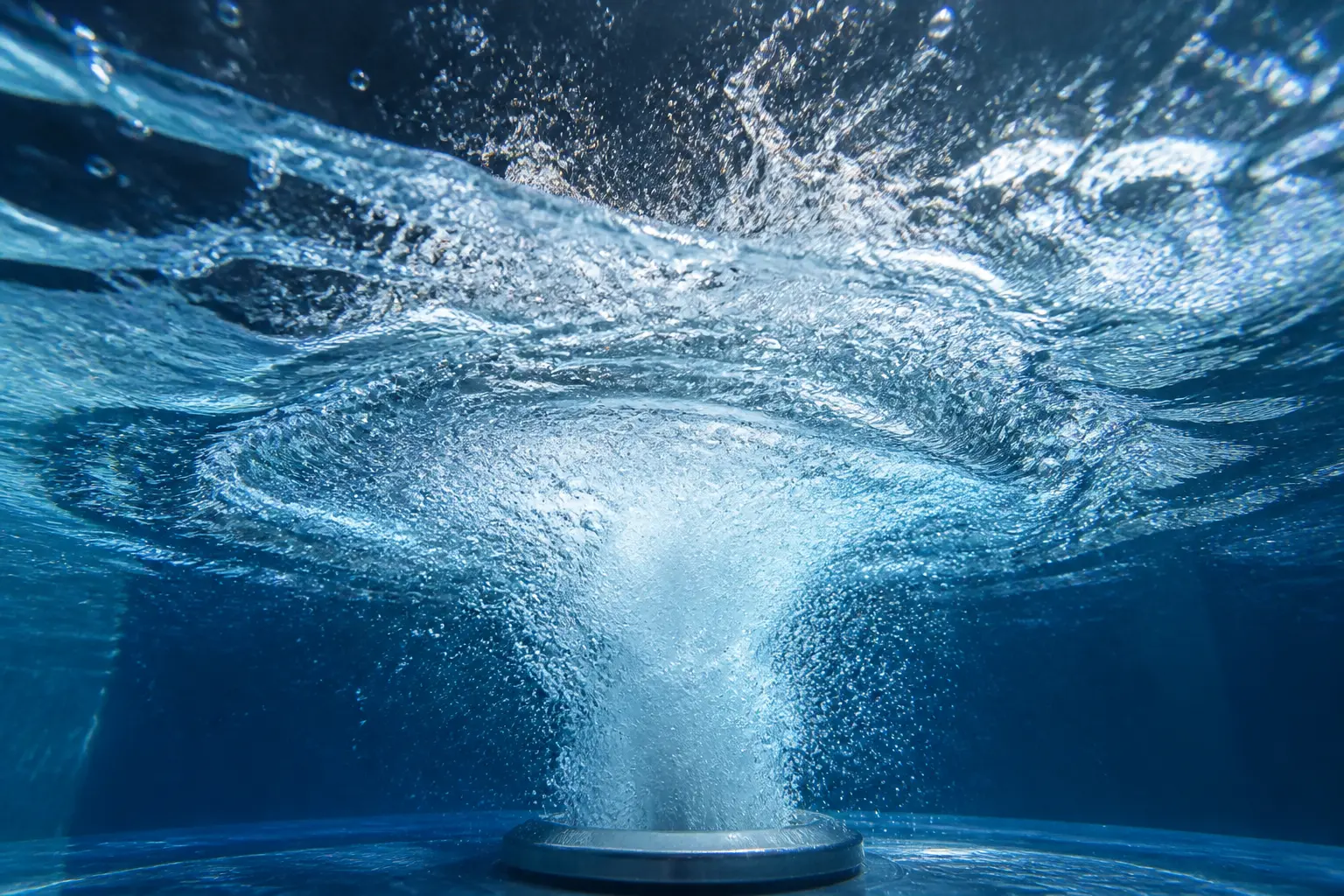
Dedicated chillers bypass this biological defense mechanism by maintaining a continuous, pressurized water flow. This dynamic circulation constantly sweeps the thermal boundary layer away from your skin, ensuring that fresh, cold water molecules are always in contact with your body. By keeping the water in motion, the chiller guarantees a uniform, piercing cold shock that forces your body to undergo maximum vasoconstriction and triggers a sustained 2.5x increase in circulating norepinephrine.
The Cost-Benefit Truth: Calculating the Real Long-Term Costs
The Hidden Costs of a DIY Freezer
While buying a basic chest freezer costs around $300, transforming it into a functional and semi-safe cold plunge requires substantial extra spending. When you add high-grade marine sealant, a submersible water pump, external hoses, an external digital temperature controller, a heavy-duty GFCI safety plug, and sanitization equipment, the real hardware cost easily climbs past $1,000. Furthermore, the physical stress of holding water causes the freezer walls to distort, typically leading to rust, leaks, or total electrical failure within 6 to 12 months of continuous use.
The Lifetime Value of an Engineered Chiller
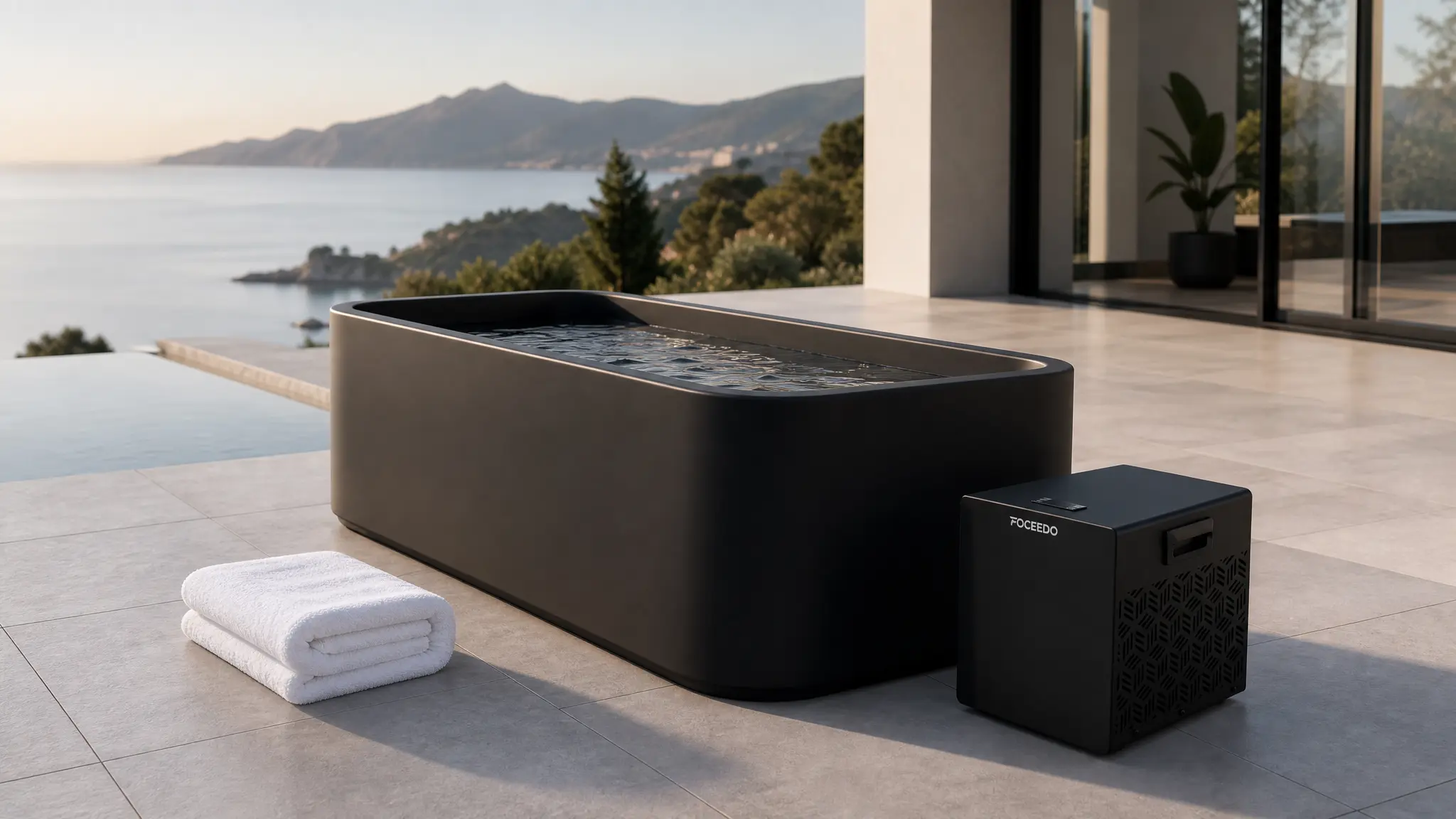
Investing in an engineered cold plunge chiller provides a highly durable recovery solution designed to last 5 to 10 years. For commercial environments like gyms, physical therapy clinics, and wellness spas, using a DIY freezer setup is a massive liability risk that voids any manufacturer warranty and violates local health codes. Commercial-grade chillers, such as FOCEEDO systems, carry full CE and SAA safety certifications, featuring premium titanium heat exchangers and a comprehensive 2-year whole-unit and 3-year core-component warranty that eliminates the stress of frequent replacement.
Yes, it is physically possible to convert a freezer, but it is highly discouraged by electrical engineers and health professionals. Freezers are not designed to hold liquid water or withstand the immense pressure of hundreds of liters of water, creating severe long-term structural issues and electrical shock hazards.
Yes. If you choose to use a modified chest freezer, you must physically unplug the power cord from the wall before every single plunge. Never rely on smart plugs, timer switches, or remote relays to shut off the power, as electrical moisture can cause these devices to fail in the “on” position, leaving the water fully energized
A professional chiller uses an active pump to continuously circulate water through a multi-stage purification system. This includes a high-density paper filter that traps physical debris and an inline ozone generator that actively sanitizes the water on a molecular level. Chest freezers hold stagnant water, which lacks filtration and allows bacteria to quickly build resistant biofilms.
No. While the initial setup of a DIY chest freezer is cheaper, the hidden costs of sealants, replacement pumps, filtration parts, chemical treatments, and high energy consumption quickly close the gap. When you factor in that most DIY freezer conversions fail within 12 months due to rust or compressor strain, buying a professional chiller is the more cost-effective choice over a two-year period.
Related Articles
Best Time to Cold Plunge: Morning, Afternoon, or Night?
Is it better to cold plunge in the morning or at night? Discover how cold therapy impacts dopamine, circadian rhythms, melatonin, and your sleep quality.
Cold Water Immersion for DOMS: Science-Backed Guide
Discover how cold water immersion (CWI) relieves delayed onset muscle soreness (DOMS). Learn the physiological rules of post-workout muscle recovery and optimal ice bath timing.

Does Cold Plunge Stimulate the Vagus Nerve? – Beat Daily Stress
Learn how cold water immersion stimulates your vagus nerve to naturally lower daily stress and improve sleep. Discover our safe, science-backed recovery routine.