










Table of Contents
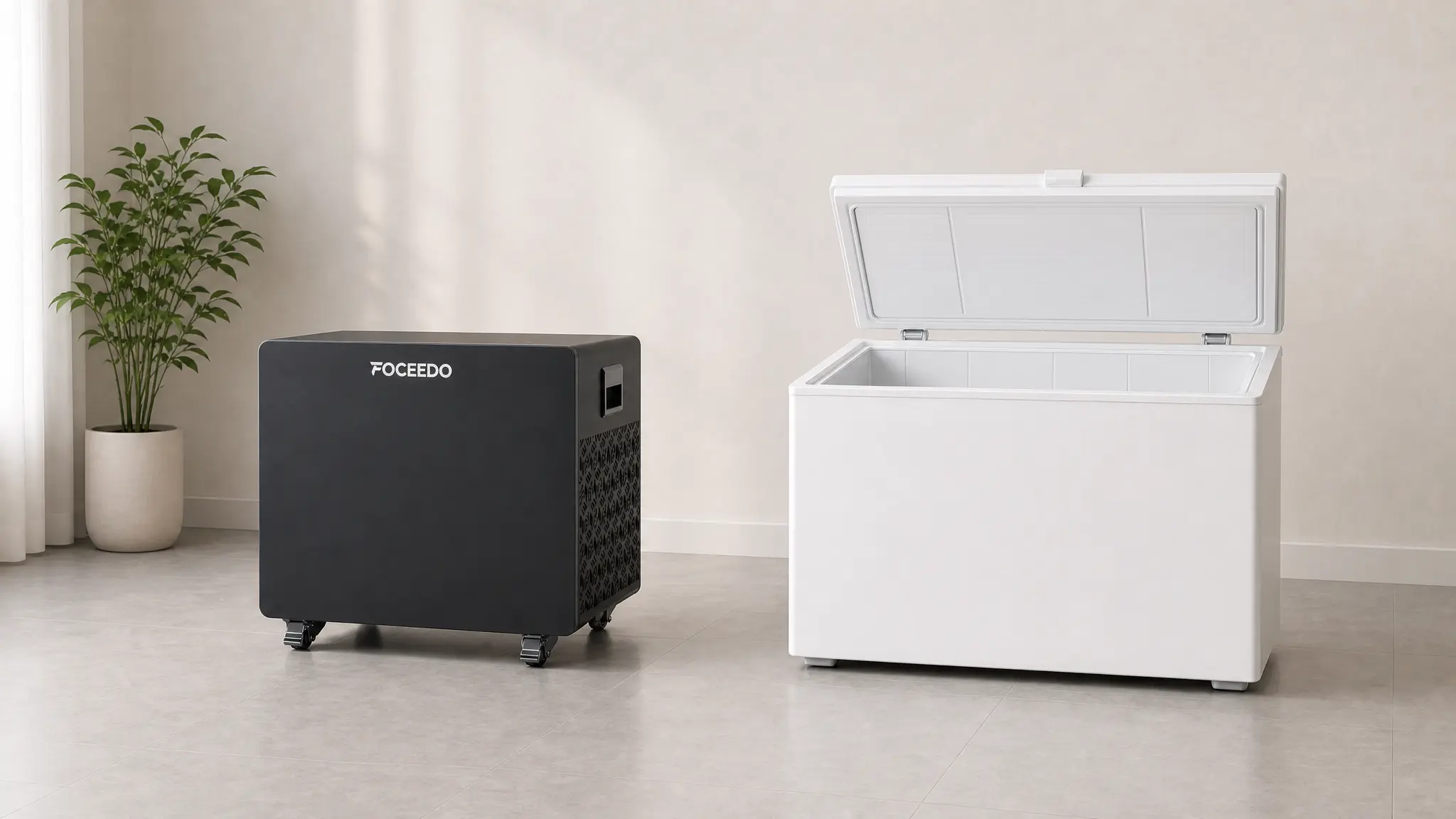
Quick Summary
Key Takeaways
- A DIY chest freezer can be a low-cost way to test cold plunging, but it carries higher responsibility for electrical safety, sealing, water care, and daily maintenance.
- An ice bath chiller costs more upfront, but it gives you steadier water temperature, active circulation, easier filtration, and a cleaner long-term routine.
- For occasional personal use, a careful DIY setup may be enough. For daily use, shared use, indoor use, or commercial settings, a dedicated chiller is usually the safer and more practical choice.
Choosing between a DIY chest freezer and an ice bath chiller is not only a budget question. It is a question of how often you plunge, who will use the tub, where the system sits, and how much risk and maintenance you are willing to manage.
A freezer can make water cold. A chiller is built to move, cool, and manage water as part of a repeatable cold plunge system. That difference becomes more important once cold plunging moves from a weekend experiment to a daily habit or a shared recovery service.
Fast Comparison
| Factor | DIY Chest Freezer | Ice Bath Chiller |
|---|---|---|
| Upfront cost | Lower | Higher |
| Electrical safety | Requires strict user discipline | Designed for wet-area water cooling |
| Temperature control | Less precise and more manual | More stable and adjustable |
| Water movement | Weak unless you add a pump | Built around active circulation |
| Water care | More manual cleaning and draining | Filter-based, easier to maintain |
| Sanitation | Depends on DIY add-ons and chemicals | Model-dependent filtration and sanitation |
| Indoor use | Higher leak and condensation risk | Easier to manage with correct setup |
| Shared use | Harder to control safely | Better for repeated users |
| Commercial use | Not recommended | Better suited for gyms, spas, and studios |
| Best for | Occasional personal users | Daily users and shared recovery spaces |
The simple version is this: a chest freezer is cheaper to start, while a chiller is easier to live with. The more often you use the water, the more valuable circulation, filtration, and predictable temperature become.
How Each Setup Works
Chest Freezer Setup
A chest freezer is a household appliance designed to freeze dry, sealed food. In a DIY cold plunge, the freezer is modified to hold water by sealing seams, corners, drain points, and liner gaps with silicone, epoxy, or another waterproof coating.
The freezer cools from the walls, not from water circulation. That means the water near the liner can become much colder than the water near your body, especially if there is no separate pump moving water through the tub.
Most careful users unplug the freezer before entering. A GFCI outlet is important, but it does not make a water-filled household appliance risk-free, especially if cords, seals, plugs, condensation, or wet hands are involved.
Ice Bath Chiller Setup
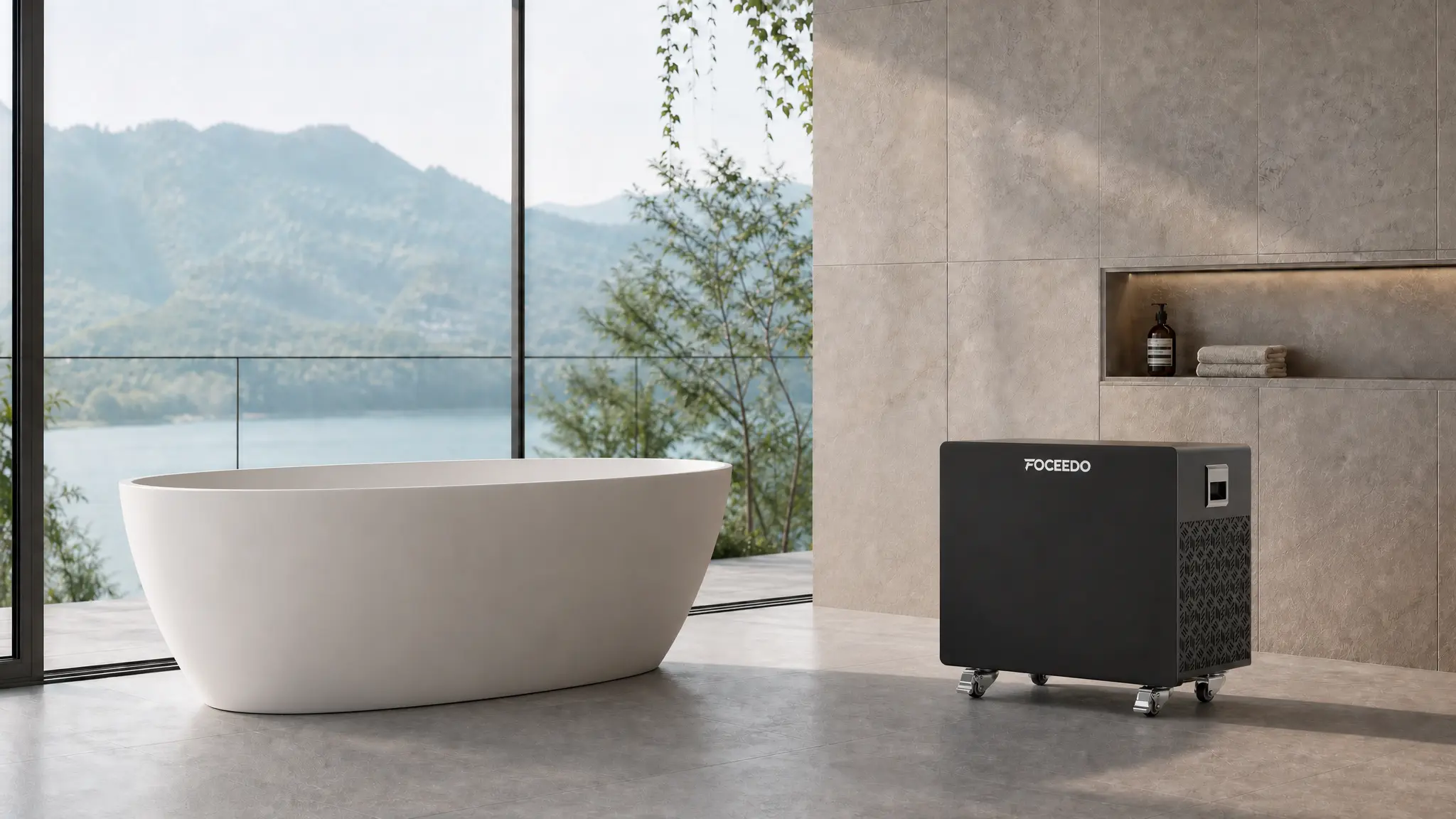
An ice bath chiller is an external water-cooling unit connected to a tub by hoses. Water is pulled from the tub, cooled inside the machine, filtered or circulated through the system, and returned to the plunge.
This moving-water design is the main difference. The chiller does not just make one wall of the container cold; it keeps the water moving so the whole tub stays closer to the target temperature.
Different chillers have different features. Some are cooling-only with a simple external filter, while higher-performance models may include heating, dual filtration, ozone, app control, or more advanced temperature management.
Pros of a Chest Freezer
Lower Entry Cost
The biggest reason people choose a chest freezer is the lower upfront cost. If you already own a freezer or can buy one cheaply, the starting price can look much more attractive than a complete cold plunge system.
This makes sense for someone who is still testing cold therapy and does not know whether the habit will last. A freezer setup can help you learn whether you enjoy cold plunging before investing in more dedicated equipment.
Strong Cooling Power
Chest freezers are designed to reach very low temperatures, so they can chill water aggressively. For users who want very cold water and do not care about precision, this can feel like a strong advantage.
The catch is control. Strong cooling power is not the same as stable, safe, evenly distributed cold water, especially when the water is not moving continuously.
Simple One-Box Layout
A freezer can look simple because the tub and cooling source are inside the same box. You do not need to place a separate chiller beside the tub, run hoses across a deck, or match an external unit to a plunge barrel.
That one-box simplicity only works if the sealing, wiring, drainage, placement, and safety habits are handled carefully. Otherwise, the setup becomes simple on the surface but complicated in daily use.
Cons of a Chest Freezer
Safety
Electrical Safety Risk
The most serious issue is electrical safety. A chest freezer was not originally designed for a person to sit inside a large volume of water while the appliance is plugged in.
Careful DIY users normally unplug the freezer before every plunge. This single habit matters because wet skin can lower electrical resistance dramatically, and even relatively small current leakage can become dangerous in water.
A GFCI outlet is still essential, but it should be treated as a backup layer, not as permission to sit in a plugged-in appliance. Damaged cords, aging seals, moisture around the plug, and condensation around the freezer body can all increase risk.
For shared or commercial spaces, this risk becomes much harder to justify. A home user can choose personal risk, but a gym, spa, trainer, or recovery studio has a duty of care to clients.
Durability
Not Built to Hold Water
A chest freezer is built to hold frozen food, not a moving human body in water. The internal liner, seams, corners, drain plug, and wall structure are not designed around long-term hydrostatic load.
Water is heavy. When a person enters, exits, sits, shifts, and leans against the walls, the liner and seals face stress that the appliance was never meant to manage.
This is why sealing is not a one-time detail. Silicone and epoxy can age, peel, crack, or separate from the liner, especially with temperature cycling and repeated cleaning.
A small leak may start as a nuisance. Indoors, it can become a flooring, wiring, mold, or humidity problem.
Performance
Weak Water Movement
A chest freezer cools from its walls. Without active circulation, the water closest to the cold wall may chill faster than the water around your body.
This creates uneven temperature zones. You may have very cold water at the edge, warmer water near your skin, and a less consistent experience than the thermometer suggests.
You can add a pump, but that turns the project into a more complex DIY water system. Now you must manage pump placement, hose safety, filter resistance, electrical routing, and cleaning around extra parts.
Maintenance
Harder Water Care
Cold water still needs care. Skin oils, sweat, hair, dust, sunscreen, and microbes enter the tub every time someone plunges.
In a static freezer setup, water care depends heavily on manual draining, scrubbing, chemical testing, and any pump or filter you add yourself. If the water is shared, the cleaning burden rises quickly.
The issue is not that a chest freezer always becomes dirty immediately. The issue is that the system does not come with a standardized water-care design, so cleanliness depends on the user’s routine and discipline.
Environment
Condensation and Indoor Mess
Chest freezers can sweat on the outside when cold internal surfaces meet warm, humid air. In a garage, this may be manageable; inside a home, studio, or spa, it can create slippery floors and moisture damage.
Condensation also makes electrical safety harder to control. Moisture near plugs, cords, outlets, and extension points should never be treated casually around a water-filled appliance.
If the space has poor ventilation, the problem can grow into odor, mold risk, or hidden dampness behind the unit. This is one reason indoor placement needs more planning than many DIY videos suggest.

Pros of an Ice Bath Chiller
Steady Water Temperature
The biggest advantage of a chiller is not simply making water cold. It is keeping water close to the temperature you choose.
For cold plunging, that matters because 10°C to 15°C feels very different from water that drifts unpredictably. A stable target helps you build a safer routine, compare sessions, and avoid chasing extreme cold for no reason.
Continuous Circulation
A chiller moves water through the system while it cools. This helps reduce hot and cold pockets inside the tub.
Moving water can feel colder than still water because it keeps replacing the thin warmer layer that forms near your skin. That makes the plunge feel more consistent, even when the thermometer reading is the same.
Easier Water Maintenance
Most chiller-based systems include a filter path, and some advanced models add stronger water-care features. This makes it easier to remove debris and keep the water clearer between changes.
This does not mean a chiller is maintenance-free. You still need to clean filters, refresh water, monitor hygiene, and follow the water-care instructions for your tub and chiller model.
Better Daily Use
A chiller reduces friction. You do not need to buy ice, wait for bags to melt, manually reset the water every time, or guess whether the tub will be ready when you are.
That convenience matters because consistency is the real value of cold plunging. If the setup is too annoying, most people eventually use it less.
Better for Shared Spaces
Shared use changes everything. When multiple people use the same plunge, water movement, filtration, cleaning access, and predictable operating routines become much more important.
This is why chillers are better suited for personal training studios, gyms, spas, wellness rooms, recovery centers, and hotels. These spaces need a system that looks professional, is easier to explain, and can be maintained by staff without relying on DIY habits.
Cons of an Ice Bath Chiller
Investment
Higher Upfront Cost
A chiller costs more than a basic chest freezer. That is the main reason many beginners hesitate.
The fair comparison, however, is not only purchase price. You also need to count sealing materials, pumps, filters, chemicals, water changes, repair risk, time spent cleaning, and the cost of mistakes.
Setup
Needs Tub Compatibility
A chiller must match the tub, water volume, insulation, hose fittings, pump flow, and ambient temperature all affect performance.
A strong chiller connected to a poorly insulated tub may still work too hard. A weak pump or restricted hose path can reduce cooling performance and create unnecessary strain on the system.
Upkeep
Needs Basic Maintenance
A chiller makes maintenance easier, but it does not remove it. Filters still clog, hoses still need checking, and water still needs routine care.
The best results come from simple habits: rinse before plunging, keep the tub covered, clean the filter, check connections, and change water before odor or cloudiness becomes obvious.
Selection
Not Every Model Is the Same
The word “chiller” covers many different machines. Some are simple cooling-only units, while others offer heating, advanced controls, integrated filtration, or active sanitation.
Heat exchanger material also matters. Copper, stainless steel, and titanium each behave differently with water chemistry, sanitation methods, and long-term corrosion risk.
For FOCEEDO’s current range, the smaller home-focused E03 and E05 are cooling-only systems with an external filter and copper heat exchangers. The E10 and E20 are higher-capacity systems with cooling and heating, dual filtration, built-in ozone, and stainless steel heat exchangers for higher-load use.
Real Cost Over Time
| Cost Area | DIY Chest Freezer | Ice Bath Chiller |
|---|---|---|
| Main unit | Lower upfront cost | Higher upfront cost |
| Waterproofing | Sealant, coating, and repair materials | Not required in the same way |
| Pump and filter | Often added separately | Usually part of the system design |
| Water changes | Often more frequent | Easier to manage with filtration |
| Chemicals | User-managed | Still needed, but easier to standardize |
| Time cost | Higher cleaning and checking burden | Lower daily friction |
| Repair risk | Harder to standardize | Depends on brand, warranty, and parts support |
| Commercial suitability | Poor | Better |
A chest freezer can remain cheaper if you use it occasionally, keep it outdoors or in a safe utility space, and manage maintenance carefully. But the cost gap can narrow if the setup needs repeated sealing, extra pumps, filter upgrades, chemical treatment, floor protection, or component replacement.
A chiller is more expensive at the beginning, but it usually saves time and reduces daily friction. For frequent users, that convenience can be more important than the purchase price alone.
Safety Decision Checklist
Choose a chest freezer only if you can say yes to every point below:
- You always unplug the freezer before entering the water.
- You use proper GFCI protection.
- You inspect cords, seals, plugs, and the surrounding floor regularly.
- You understand that a household freezer was not designed as a wet-entry appliance.
- You accept frequent cleaning, draining, and water testing.
- You use it personally, not for clients or paying guests.
- You place it in a ventilated, water-tolerant area.
- You are comfortable maintaining a DIY system without standardized support.
Choose an ice bath chiller if any of these points matter more:
- You plunge several times per week.
- More than one person uses the tub.
- You want a stable target temperature.
- You want moving water and easier filtration.
- The setup is indoors or client-facing.
- You run a gym, spa, studio, hotel, or recovery service.
- You want less manual work before each plunge.
- You prefer a purpose-built system over a modified appliance.
Best Choice by User Type
Occasional Home User
If you only plunge occasionally and your main goal is to test cold therapy, a chest freezer may be enough. You still need strict unplugging habits, waterproofing discipline, and careful water care.
This option makes the most sense when the setup is personal, low-frequency, and placed in a space where leaks or condensation will not cause major damage.
Daily Cold Plunge User
If you plunge daily or several times per week, a chiller becomes much more practical. The value is not just colder water; it is predictable water.
Daily users benefit from stable temperature, easier startup, less manual cleaning, and fewer excuses to skip the session. A routine that is easy to repeat is usually safer and more sustainable.
Personal Trainer
A trainer using a plunge only for personal recovery may still consider DIY. But once clients enter the water, the safety equation changes.
Client-facing use needs clearer procedures, cleaner presentation, better water management, and lower electrical liability. A modified freezer is difficult to defend in that environment.
Recovery Studio
A recovery studio needs repeatable temperature, shared-user hygiene, simple staff maintenance, and a professional look. A chiller-based system is much better aligned with those needs.
Customers also judge the space by what they see. A purpose-built cold plunge setup communicates care, while a modified appliance may raise questions about safety and cleanliness.
Hotel or Spa
Hotels and spas should avoid DIY chest freezer plunges. The risk profile, maintenance burden, guest expectations, and brand presentation do not fit a modified household appliance.
For these spaces, the cold plunge is part of the wellness experience. The system should look intentional, operate predictably, and be easy for staff to maintain.
Final Verdict
A DIY chest freezer is a low-cost entry point with high responsibility. It can work for careful, occasional personal use, but it demands strict electrical habits, sealing work, cleaning discipline, and realistic expectations.
An ice bath chiller costs more upfront, but it gives you better temperature control, active circulation, easier water care, and a more professional long-term setup. The more often the plunge is used, the more those advantages matter.
If you are testing cold plunging for the first time, a DIY setup can teach you what cold water feels like. If you want a safer, cleaner, easier, and more repeatable routine, especially in a shared or commercial space, a dedicated chiller is usually the better choice.
Yes, it is physically possible to convert a freezer, but it is highly discouraged by electrical engineers and health professionals. Freezers are not designed to hold liquid water or withstand the immense pressure of hundreds of liters of water, creating severe long-term structural issues and electrical shock hazards.
Yes. If you choose to use a modified chest freezer, you must physically unplug the power cord from the wall before every single plunge. Never rely on smart plugs, timer switches, or remote relays to shut off the power, as electrical moisture can cause these devices to fail in the “on” position, leaving the water fully energized
A professional chiller uses an active pump to continuously circulate water through a multi-stage purification system. This includes a high-density paper filter that traps physical debris and an inline ozone generator that actively sanitizes the water on a molecular level. Chest freezers hold stagnant water, which lacks filtration and allows bacteria to quickly build resistant biofilms.
No. While the initial setup of a DIY chest freezer is cheaper, the hidden costs of sealants, replacement pumps, filtration parts, chemical treatments, and high energy consumption quickly close the gap. When you factor in that most DIY freezer conversions fail within 12 months due to rust or compressor strain, buying a professional chiller is the more cost-effective choice over a two-year period.
Related Articles
Blumenberg Tubs Powered by FOCEEDO Chillers
FOCEEDO partners with century-old German tub maker Blumenberg. Discover why they chose our chillers as the engine for their premium cold plunges.
FOCEEDO Partners with Nordu Spa in Türkiye
FOCEEDO and Nordu Spa begin a distribution partnership in Türkiye, adding FOCEEDO ice bath chillers to Nordu Spa’s cold-plunge range.
Meet FOCEEDO at AusFitness Industry 2026
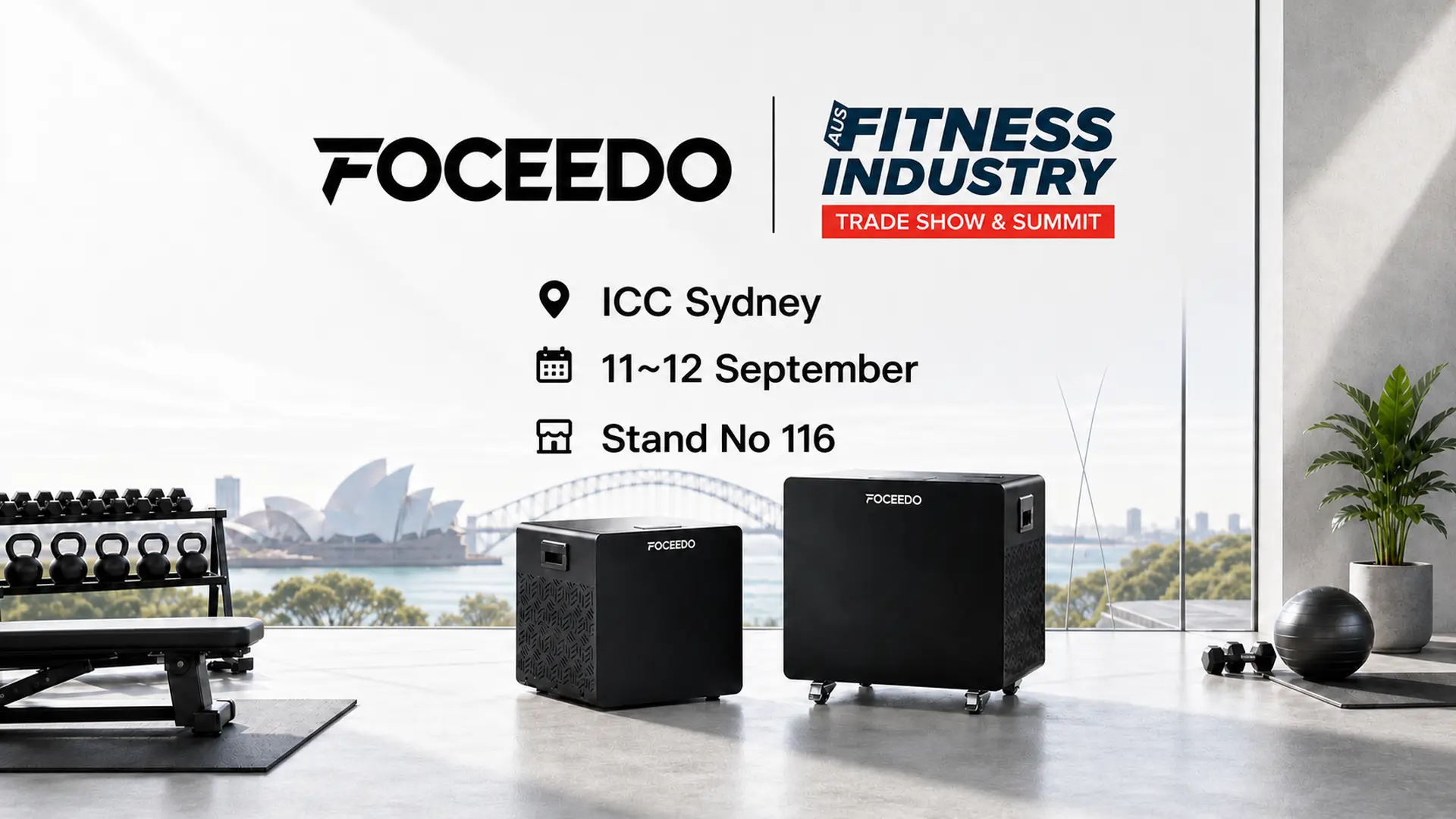
Meet FOCEEDO at Stand 116 during AusFitness Industry, 11–12 September 2026 at ICC Sydney, and discuss cold recovery and partnerships.