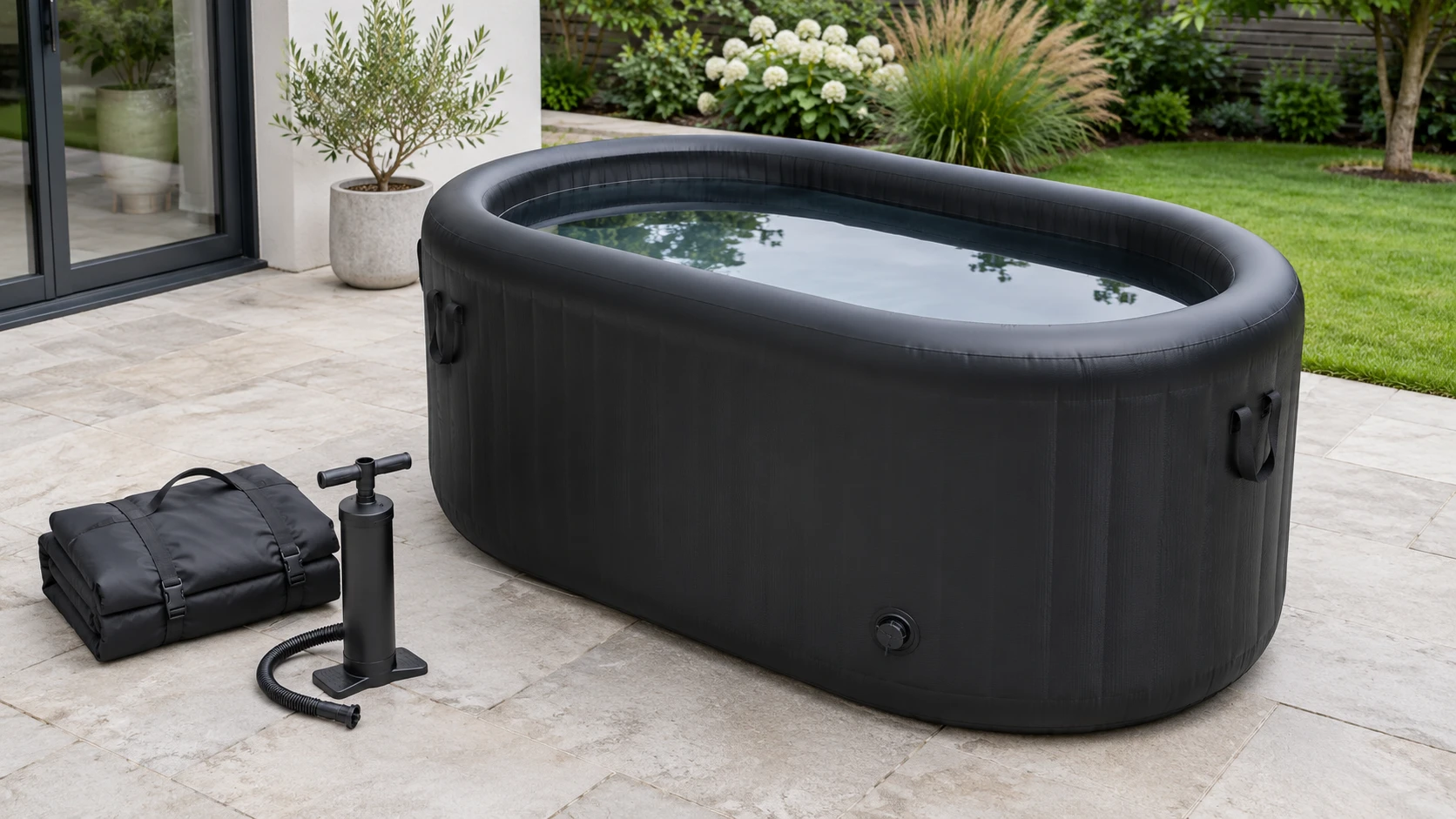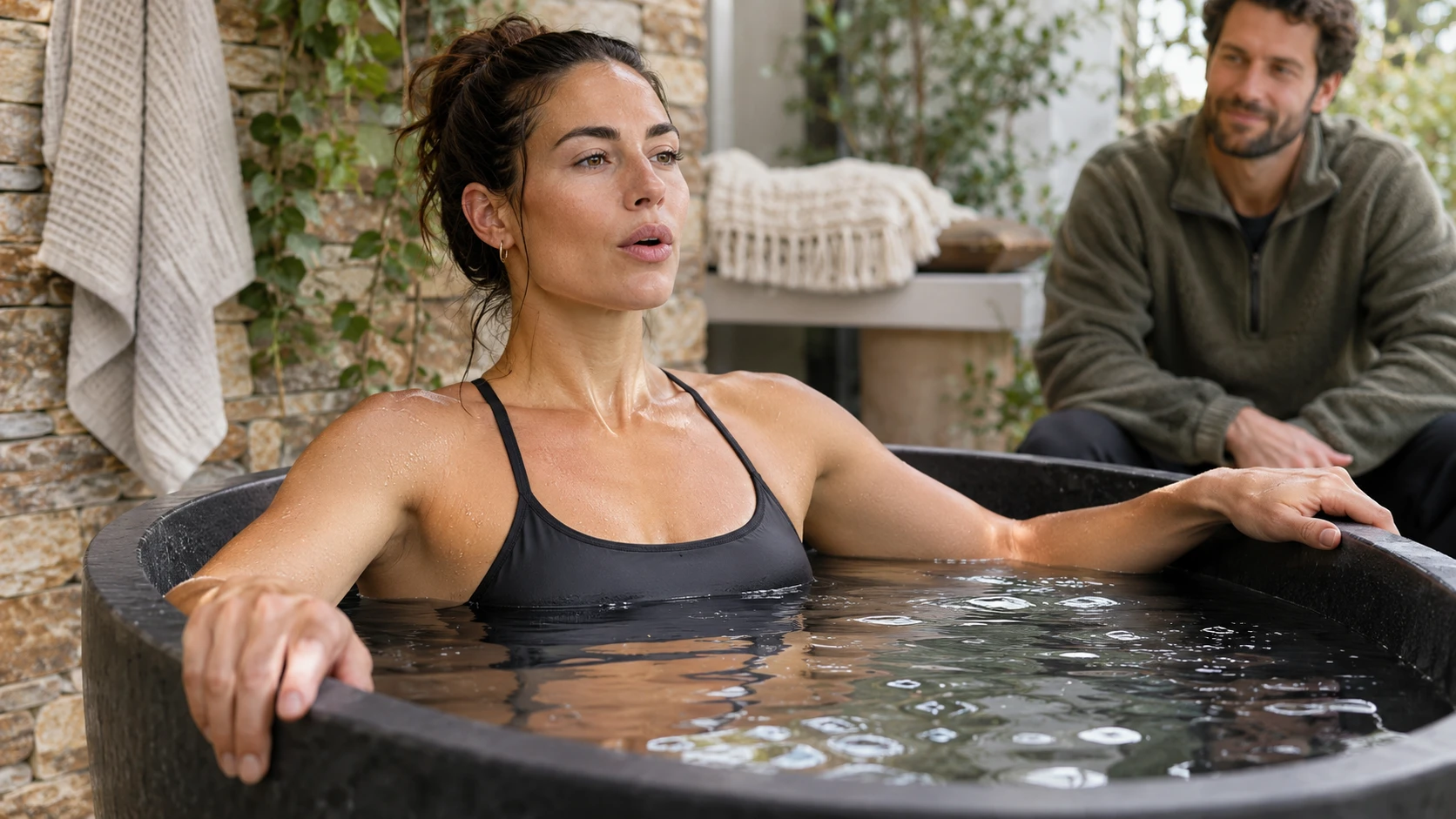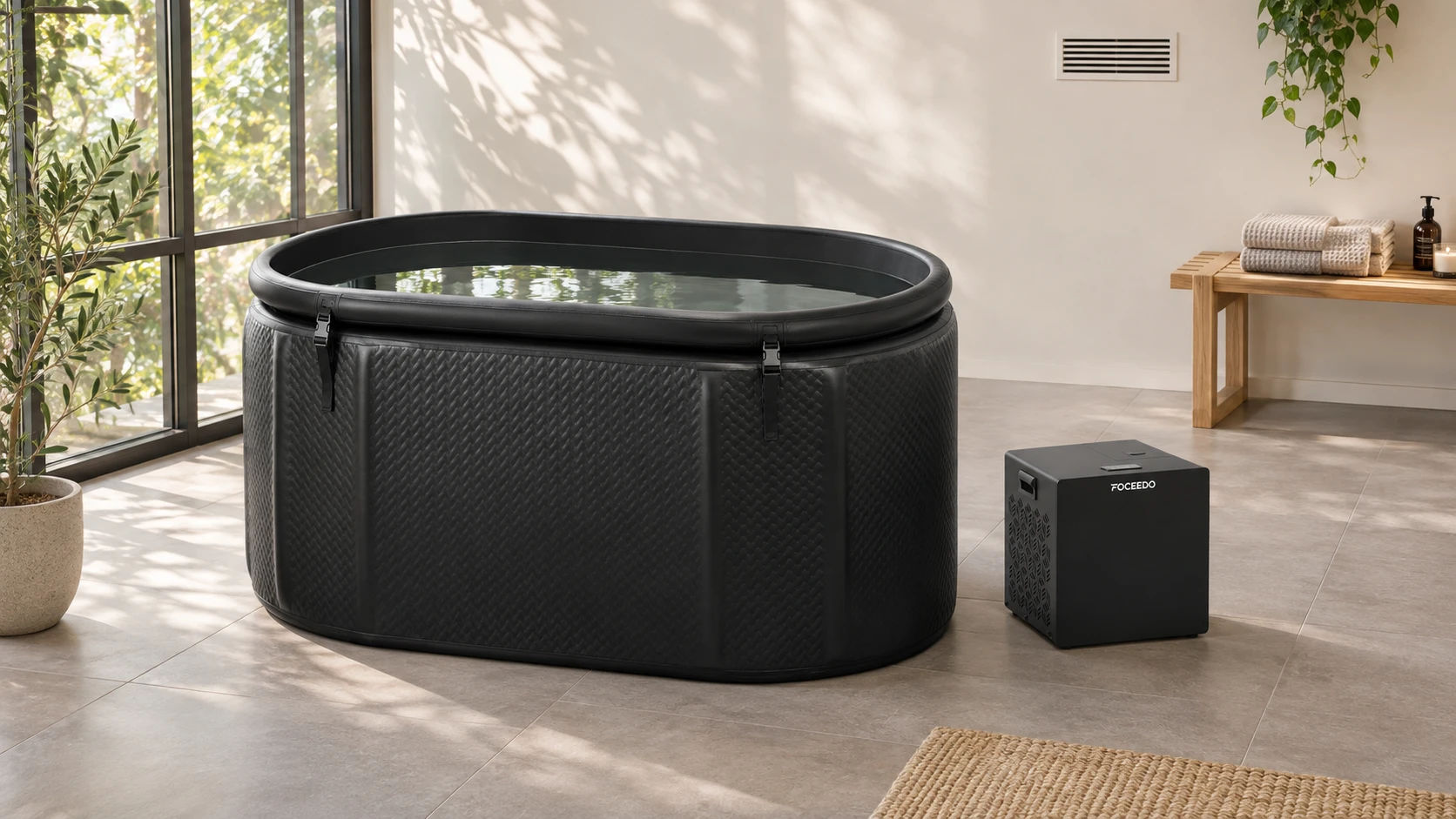











A cold shower is easy to fit into your morning routine. An ice bath keeps more of your body in cold water at once. Which is more useful depends on whether you want to feel refreshed, ease soreness after exercise, or make cold-water immersion part of your routine.
Here is how they compare, what the recovery research shows, and how to approach your first sessions.
1. Quick Answer: Ice Bath vs. Cold Shower
For everyday convenience, a cold shower is the simpler option. For recovery after strenuous exercise, ice baths have more supporting research.
- Choose a cold shower for a refreshing finish to your usual shower, without extra equipment or preparation.
- Consider an ice bath for sustained immersion and help with soreness after demanding exercise.
Most of the recovery evidence compares ice baths with passive rest, not cold showers. It supports specific recovery benefits of immersion rather than proving that ice baths are better for every goal.
2. The Real Difference Between an Ice Bath and a Cold Shower
| Feature | Cold shower | Ice bath |
|---|---|---|
| Water contact | The spray reaches different areas as you move | Water surrounds the submerged parts of your body |
| Temperature | The coldest setting depends on incoming water | Ice or a chiller can cool the water below its supply temperature |
| Preparation | Turn on an existing shower | Prepare water in a suitable tub |
| After use | Water drains away | Clean the tub and maintain any water kept between sessions |
Immersion vs. Running Water
In an ice bath, water stays in contact with the submerged parts of your body, such as your legs, hips, and torso. In a shower, the spray hits a smaller area at a time, so you turn or move to reach different areas.
Immersion also creates hydrostatic pressure—the pressure water exerts around your body. A shower does not provide this surrounding pressure. These differences mean that matching the water temperature alone does not make a shower equivalent to an ice bath.
Water Temperature
A cold shower is limited by your tap water temperature. In warm weather, even the coldest setting may feel only mildly cool.
An ice bath lets you cool the water below that limit using ice or a chiller. This gives you access to cold-water immersion even when your shower water stays warm.
3. Benefits of Cold Showers
Feeling More Awake
A cold shower can leave you feeling more awake and refreshed, making it a simple option for mornings when you feel sluggish. You can add it to your usual shower without setting aside time for a separate ice bath.
No Extra Equipment
If you already have a shower, you can try cooler water without buying a tub, arranging ice, or installing a chiller. It is a straightforward way to try cold exposure before deciding whether you want a separate setup.
Everyday Convenience
A cold finish fits into a shower you were already taking. There is no separate tub to fill, clean, or maintain, making it easier to fit around work, travel, or a busy training schedule.
4. Benefits of Ice Baths
Reduced Muscle Soreness
Ice baths can help ease muscle soreness after strenuous exercise. A systematic review of 52 studies found less soreness 24 hours after high-intensity exercise compared with passive rest. For someone dealing with sore legs after a hard training session, that makes soreness relief a practical reason to choose an ice bath.
Post-Workout Recovery
Ice baths can help you feel more recovered and regain explosive performance after demanding exercise. The same review found better recovery of muscular power—used in movements such as jumping—and better self-reported recovery 24 hours after high-intensity exercise compared with passive rest.
These benefits are particularly relevant when training sessions or competitions are close together and you have limited time to recover. The reason to use an ice bath here is to support recovery between hard efforts, rather than simply to endure colder water.
If your main goal is building muscle, avoid making an ice bath your routine immediately after lifting: regular use at that time can reduce muscle growth.
Consistent Cold Exposure
An ice bath keeps your legs and body surrounded by cold water, rather than requiring you to turn under a shower spray. With a temperature-controlled setup, you can also repeat your chosen water temperature instead of relying on tap water that changes with the season.
For regular users, this makes sessions easier to plan and manage. Once you find a temperature and duration you tolerate well, you can repeat that setup without each session feeling unexpectedly warmer or colder.
5. Duration and Safety Guide: How Long Should You Stay In?
Cold Shower Duration
Start with up to 30 seconds of cold water at the end of your normal shower. Gradually turn the water cooler instead of switching straight to the coldest setting.
If 30 seconds feels manageable and you can breathe steadily, keep that duration for your next few showers. You can later try 60 seconds, but there is no need to extend the session simply to make it harder. Stop sooner if you feel dizzy, overwhelmed, or unable to control your breathing.
Ice Bath Duration
For your first ice bath, use water around 10–15°C (50–59°F) and plan for one minute. If you tolerate that comfortably over subsequent sessions, try up to two minutes. These starting conditions follow Cleveland Clinic’s beginner guidance.
Before you begin:
- Check the water temperature with a thermometer.
- Set a timer so you do not have to guess how long you have been in.
- Keep your head above water and enter slowly.
- Have someone nearby, especially during your first sessions.
- Prepare a towel and warm clothes for afterward.
- Breathing: Breathe normally. Do not deliberately hyperventilate or hold your breath during an ice bath.
- Safe entry and exit: Keep the floor slip-resistant and the area around the tub clear. Make sure you can get out without struggling.
Get out sooner if you feel unwell; do not stay in just to finish the timer.
Who Should Seek Medical Advice First?
Speak with your healthcare professional before trying cold showers or ice baths if you have:
- Heart disease or high blood pressure. Sudden cold exposure can raise blood pressure and put extra strain on your heart.
- Poor circulation or diabetes. Ask whether cold exposure is suitable for you, particularly if you have circulation problems or nerve damage.
- Reduced sensation or numbness. Difficulty sensing cold can make it harder to notice when you need to stop.
When to Stop
End the shower or leave the bath if you experience:
- Dizziness or a feeling that you might faint.
- Chest pain or marked difficulty breathing.
- Numbness or loss of coordination.
- Strong, persistent shivering or confusion.
Dry off and put on warm clothing. Seek urgent medical help for chest pain, fainting, severe breathing difficulty, or confusion.
6. Which One Should You Choose?
| Your goal | Choose | Why |
|---|---|---|
| Try cold exposure without buying equipment | Cold shower | You can start with the shower you already have and adjust the temperature easily. |
| Feel refreshed as part of your morning routine | Cold shower | It fits into your usual shower without a separate session or tub preparation. |
| Keep cold exposure simple when time or space is limited | Cold shower | There is no tub to fill, clean, or store. |
| Ease muscle soreness after strenuous exercise | Ice bath | Cold-water immersion has research support for reducing soreness after high-intensity exercise. |
| Support short-term recovery between demanding training sessions or competitions | Ice bath | Research supports improvements in perceived recovery and recovery of muscular power compared with passive rest. |
| Immerse your legs and body at a chosen water temperature | Ice bath | A tub provides continuous water contact, and ice or a chiller lets you cool the water below your tap-water temperature. |
Choose a cold shower for a convenient way to feel refreshed or try cold exposure. Choose an ice bath when post-exercise recovery or controlled immersion is your main reason for using cold water.
7. When to Upgrade
Moving from a cold shower to an ice bath makes sense when you have a specific need that your shower does not meet.
You Want Recovery After Hard Training
If your main goal has shifted from feeling refreshed to managing soreness after demanding exercise, an ice bath is worth considering. Cold-water immersion has evidence for this recovery use, particularly after high-intensity sessions.
Before buying your own tub, book a guided ice bath session at a recovery studio. This lets you try cold-water immersion and decide whether you want it as part of your routine.
Your Shower Cannot Provide the Exposure You Want
If your tap water stays warm or you want to keep your legs and torso immersed together, spending longer in the shower will not solve that problem. A tub lets you immerse those areas continuously and cool the water to a selected temperature.
You Use Ice Baths Often Enough to Want Your Own Setup
A home tub becomes more practical when you already use and value ice baths, but travelling to a facility makes regular sessions inconvenient.
If buying, storing, and adding ice has become a recurring chore, consider adding a cold plunge chiller. It cools the water to your chosen setting and maintains the temperature during use, reducing ice handling and making regular sessions easier to prepare.
It still takes time to cool the water. Our guide to cold plunge cooling time explains what affects that wait.
You Can Manage the Space and Upkeep
Before buying, check that you have:
- A suitable place for the tub and a safe way to enter and leave it.
- A practical way to fill and drain the water.
- Time and budget for cleaning and water treatment.
- Suitable power and ventilation if you plan to add a chiller.
Our guide to keeping cold plunge water clean explains the ongoing care involved.
8. Frequently Asked Questions (FAQs)
Can a Longer Cold Shower Replace an Ice Bath?
There is no established minute-for-minute conversion. A longer shower extends the time under the spray but does not reproduce the surrounding water contact and pressure of immersion. Choose based on the type of exposure you want, rather than trying to exchange shower minutes for bath minutes.
Do Ice Baths Raise Dopamine More Than Cold Showers?
The frequently cited dopamine study cannot answer this comparison. It measured blood-plasma dopamine in young men during one hour of head-out immersion at different temperatures, including 14°C water, and had no cold-shower group. It does not show that a brief ice bath produces a greater mood benefit than a shower.
What Can You Expect After 30 Days?
A month gives you time to judge whether the routine fits your schedule and delivers the benefit you wanted, such as feeling refreshed after a shower or less sore after demanding exercise.
In the cold-shower trial, a 30-day routine was associated with less self-reported sickness absence during follow-up, but not fewer days of feeling ill. That finding concerns time away from work; it does not establish that cold showers prevent illness.